


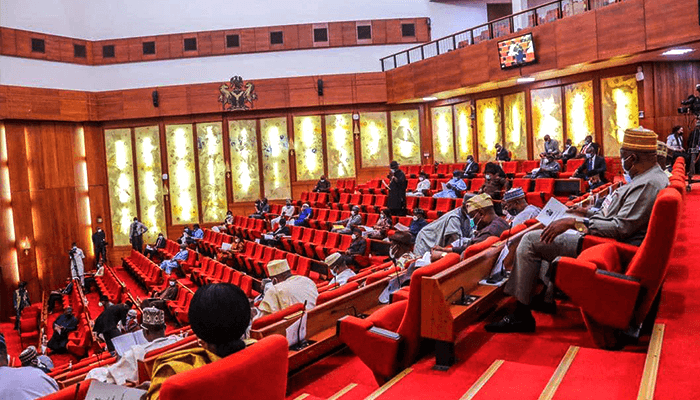
Political Maneuvering Intensifies Ahead of 2027 Senate Presidency
As the 11th Senate approaches, speculation around who will succeed Godswill Akpabio as Senate President is already at a fever pitch. This early frenzy of political maneuvering within the ruling All Progressives Congress (APC) has transformed what initially seemed like a straightforward amendment to the Senate Standing Orders into a complex web of succession concerns, elite rivalries, and unspoken alliances.
Amendment Sparks Tensions Within the Senate
A proposed amendment that would restrict eligibility for the roles of Senate President and Deputy Senate President to those with at least eight years of continuous legislative experience has raised eyebrows among lawmakers. Although some elements of the amendment have been withdrawn due to pushback, insiders suggest the real battleground extends beyond parliamentary procedure, delving deep into the dynamics of the upcoming 2027 succession race.
Emerging Contenders in the Succession Race
Several notable figures have emerged as contenders for the Senate presidency, stirring up controversy within the APC’s power structure. Names like Hope Uzodimma, Adams Oshiomhole, Orji Uzor Kalu, and Ovie Omo-Agege dominate discussions as they each bring unique strengths and ambitions to the table. Analysts note that factors such as zoning, senator ranking, loyalty to President Bola Tinubu, and regional balance are subtly influencing this competitive landscape.
Oshiomhole’s Renewed Political Aspirations
Adams Oshiomhole represents a narrative of unfinished business. Once considered a strong candidate for the Senate leadership post after Tinubu’s election, Oshiomhole’s ambition was hampered upon arriving at the Senate as a first-term lawmaker. However, with his term concluding ahead of the 2027 elections, his prospects have improved significantly. His vocal opposition to the Standing Orders Amendment reflects a strategy to pre-emptively shape the succession race and challenge the entrenched interests of the current Senate leadership.
Kalu’s Strategic Positioning
Orji Uzor Kalu, the former Senate Majority Leader, emerges as another key player in these unfolding dynamics. Known for his robust support of Tinubu’s policies, Kalu has made no secret of his ambitions for the Senate presidency, having previously expressed interest before Akpabio’s appointment. With extensive legislative experience and a strong network within the party, Kalu’s name is likely to surface again if the presidency shifts to the South-East region.
Omo-Agege and His Legacy
Former Senate Vice President Ovie Omo-Agege, despite setbacks in his political career, retains a significant presence in APC circles. His controversial past, particularly the 2018 Mace invasion scandal, hasn’t overshadowed his loyalty to party interests and understanding of institutional dynamics in the Senate. Should the presidency remain in the South-South region beyond 2027, Omo-Agege could re-emerge as a considerable force within the succession battle.
Uzodimma’s Dual Ambitions
Hope Uzodimma, the Imo State Governor, is drawing attention with resurfacing speculation about a potential return to the Senate. His tenure as governor has solidified his political network, and insiders suggest that his aspirations may intertwine with a bid for Senate leadership. His role as chairman of the Progressive Governors Forum positions him as a key ally of President Tinubu, and many believe that if Tinubu seeks re-election, the push for a Senate presidency to be relocated to the South-East could gain momentum.
Underlying Strategic Moves by Akpabio
Insiders assert that Akpabio remains intent on crafting a favorable environment for his successor through the recent amendment proposals. Many believe that rather than upholding legislative traditions, these measures are strategically designed to maintain influence over the dynamics of leadership succession. As the race for the Senate presidency unfolds, the APC faces a pivotal moment that will shape the future of its leadership landscape long before the official vote in June 2027.
