


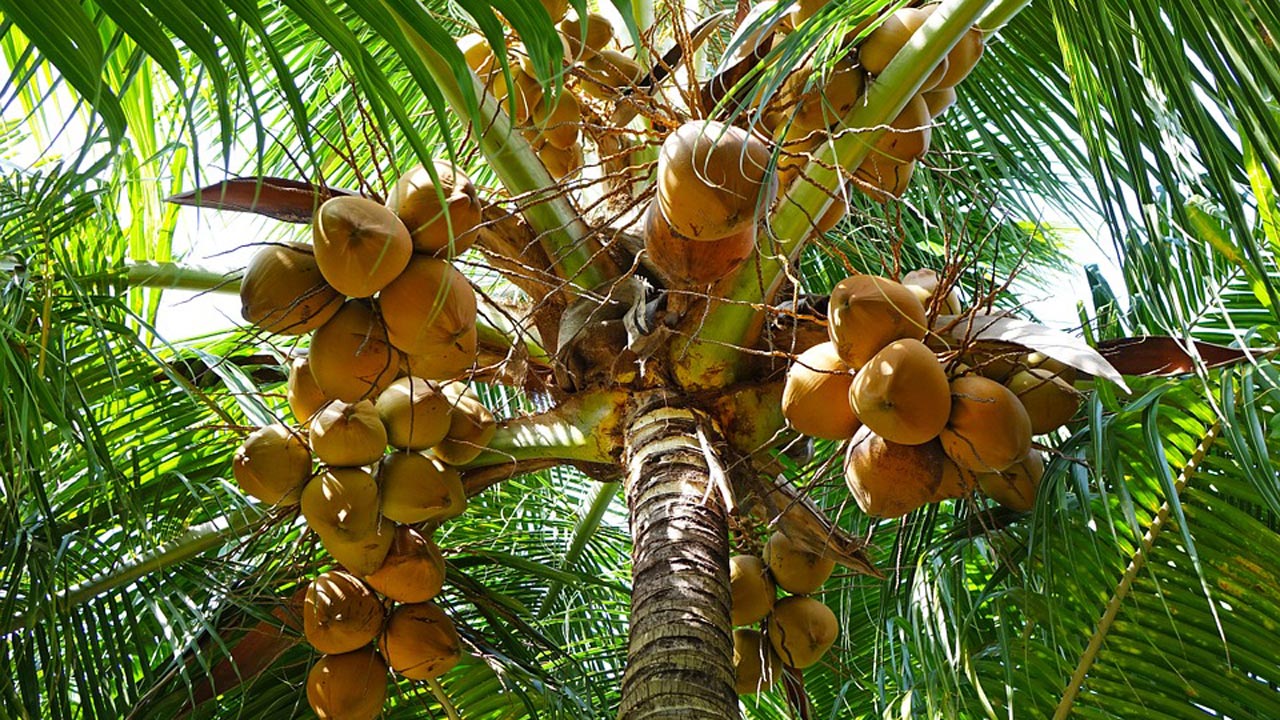
Lagos State Celebrates World Coconut Day with a Focus on Economic Growth
On Wednesday, September 2, 2020, the Lagos State Government participated in the global celebration of World Coconut Day. This annual event, first observed in 2009, honors Nigeria’s first coconut plantation, established by a Roman Catholic mission on Topo Island in Badagry in 1876. Its purpose is to highlight coconut development activities while raising awareness about the numerous economic, health, and environmental benefits associated with coconuts.
The Historical Significance of Coconuts
The historical roots of coconuts can be traced back to 545 AD, when an Egyptian monk named Cosmos Indicopleustes noted the fruit in his writings. He referred to it as “the fruit of India’s great tree.” Centuries later, in 1280, Marco Polo described coconuts found not only in Sumatra but also in regions of India under the name “nux indica.” Despite debates over its origin, coconuts have permeated many tropical and coastal regions globally, cultivated on over 12.29 million hectares across 93 countries, significantly contributing to the edible oil economy of these nations.
Coconut Cultivation and Cultural Relevance in Nigeria
In Nigeria, coconuts hold particular cultural significance in regions such as Badagry, Lagos Island, and Ibeju-Lekki. Lagos accounts for nearly 70% of Nigeria’s coconut production, with Badagry playing a vital role. Of the ten coconuts produced in Nigeria, seven originate from the state. This rich history and economic contribution are reflected in the state’s coat of arms, which features two coconut trees.
Promoting Coconut as a Vital Economic Resource
The Lagos State Government recognizes the importance of promoting coconut production, paralleling economies such as Sri Lanka, the Philippines, and southern India, where coconut farming is central to economic stability, similar to Nigeria’s reliance on oil. The coconut tree is praised for its broad utility and potential to generate employment opportunities. Mrs. Folashed Jazi, Chief Secretary to the State Government, referred to the coconut as the “tree of life,” emphasizing its diverse benefits.
Impact on Livelihoods and Diverse Applications
Coconut products serve as a staple food source for many Nigerians. They come in various forms: fresh coconut nuts, raw kernels, and processed foods, along with beverages that utilize coconut oil. Beyond culinary uses, coconuts contribute to household items, construction materials, and other essential products, making them crucial for communities engaged in coconut farming, particularly along coastal regions. Additionally, the outer trunk of the coconut tree is known for its suitability in timber products, often referred to as porcupine wood.
Institutional Efforts to Boost Coconut Production
To emphasize the economic potential of coconuts, the Lagos State Coconut Development Authority (LASCODA) was established in 1996 to enhance crop utilization for production, processing, and commercialization, targeting both export and local markets. Aligned with the Babajide Sanwo-Olu administration’s Thematic Development Agenda, LASCODA aims to enlighten the public about the economic opportunities within coconut production. Educational initiatives have revealed that coconut shells and peels can be transformed into over 100 different products, each with the potential to create distinct industries.
Addressing the Future of Coconut Endeavors
As the state commemorates World Coconut Day 2020, efforts are underway to attract more entrepreneurs into coconut production and processing. With initiatives like the distribution of 140,000 coconut seedlings to farmers and ongoing tree planting campaigns, Lagos adapts innovations observed in countries like Japan. Dapo Olakulehin, general manager of LASCODA, noted that around 300 products can be derived from coconuts, emphasizing the industry’s extensive dimensions. Given the rising awareness surrounding coconut’s economic potential, there is a growing need for supply from neighboring regions to meet increasing consumer demand.
Strategic Collaboration for Economic Growth
The Sanwo-Olu administration is committed to empowering more than 5,000 entrepreneurs within the coconut value chain. Recent initiatives, including the Eco Coconut Bread Initiative, aim to provide training and resources for youth and women. With the celebration theme of “Coconuts in the 21st Century Economy,” the focus is on showcasing the various opportunities within the coconut sector and promoting sustainable economic growth, which is especially crucial in the context of the enduring impacts of the COVID-19 pandemic.
