


Trade Talks Begin Amid Global Tensions
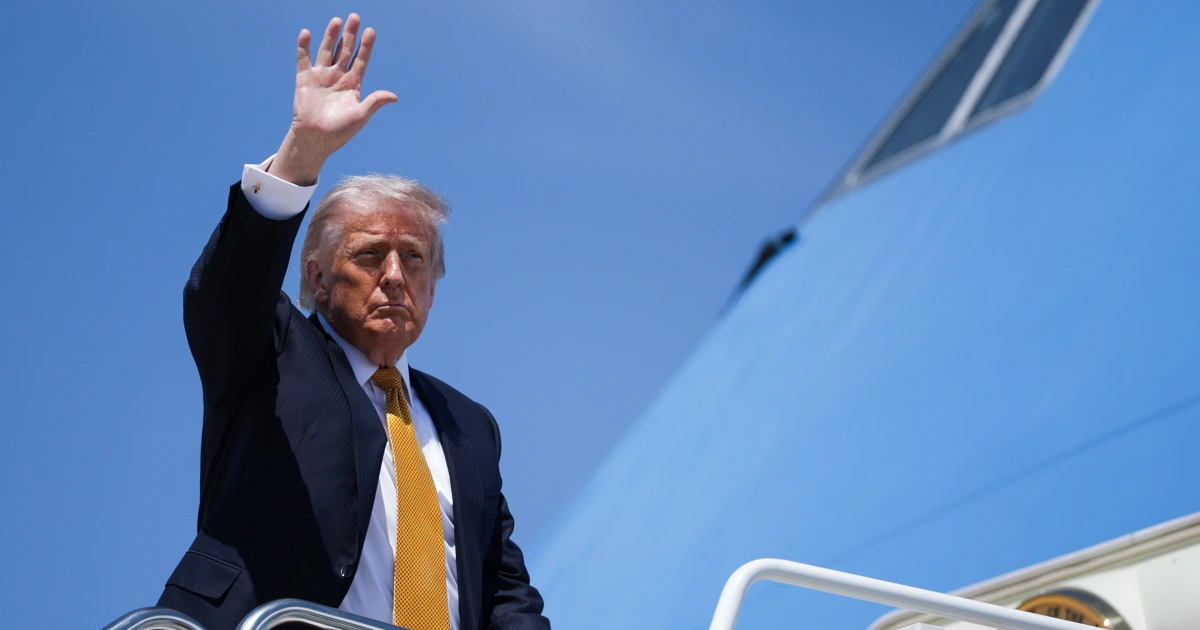
BEIJING – President Donald Trump is set to engage in a two-day summit with Chinese President Xi Jinping starting Thursday, as the United States and China, the world’s two largest economies, aim to stabilize a tenuous trade truce amid rising tensions related to the United States’ conflict with Iran.
This visit marks the first by a sitting U.S. president since Trump’s own visit nine years ago. Trump has characterized this year’s meeting as potentially “wild,” and he previously expressed hopes for Xi to showcase an unprecedented display of Chinese culture and governance.
The relationship between Trump and Xi has often been described as personal and cordial; however, the upcoming summit carries significant weight that both sides may not have fully addressed publicly. With trade issues at the forefront, Trump has brought along a delegation of more than a dozen CEOs, including Apple’s Tim Cook and Elon Musk of SpaceX and Tesla. Notably, Nvidia CEO Jensen Huang accompanied Trump on his journey to China.
The overarching goal of the summit is to reinforce a personal bond that both governments regard as crucial while returning to Washington with encouraging economic updates. A key topic will be the potential extension of the trade halt initially agreed upon last fall between the U.S. and China.
Amidst these aspirations, optimism surrounding the summit is diminishing. Both leaders are confronting domestic challenges that could limit their flexibility. Trump’s approval ratings have sunk to their lowest since his second term began, and legal setbacks have undermined significant aspects of his global tariff strategy amid escalating tensions in Iran. Concurrently, Xi faces persistent economic hurdles, including high youth unemployment and weak consumer demand exacerbated by instability in the real estate sector.
Establishing Economic Ground Rules
Former government officials and analysts have expressed hope that the summit will lay down guidelines that will enable Trump to advance his domestic agenda more effectively. Alexander Gray, CEO of American Global Strategies and a former national security advisor, stated the importance of finding a balanced economic relationship that allows the U.S. to reinforce its resilience and supply lines.
Gray emphasized that while exports like soybeans are valuable, it is critical to set up foundational rules governing the economic relationship. This includes determining acceptable practices and establishing boundaries that prevent significant disruptions.
On contentious issues, Gray noted the urgent need for China to recognize that halting exports of rare earth materials is unacceptable. With a significant share of the mining and refining of these materials essential for modern technology and defense, China’s potential use of this control as leverage over the U.S. remains a critical concern.
Discussions on aerospace, agriculture, and energy deals will occur, alongside proposals for establishing a U.S.-China Trade Commission and an Investment Commission. These initiatives aim to better manage non-classified goods and create a governmental framework for investment-related exchanges.
Modest Expectations for Summit Outcomes
Allen Carlson, a Cornell University associate professor and expert in China’s foreign policy, anticipates a subdued summit, with both nations seeking limited victories. He argued that while the summit enhances China’s image as a global power, it could also yield some gains for Trump in seeking support on the world stage.
Before his departure from Washington, Trump indicated that while trade discussions would take precedence, he also intended to engage in dialogue with Xi regarding the conflict in Iran. Although the war was not a formal agenda item, it looms large in their discussions.
China has previously lauded Trump for his role in bringing Iran to negotiation tables, while simultaneously calling for a diplomatic resolution to the conflict. The administration has criticized U.S. sanctions targeting Chinese entities and individuals engaged with Iran as illegitimate.
Focusing on Stability and Taiwan
Meanwhile, Xi is keen to prevent the topics around the Iran conflict from overshadowing essential discussions on U.S.-China relations, particularly Washington’s stance on Taiwan. The island remains a sensitive subject, with China asserting its claim and emphasizing its strategic significance.
Despite the absence of formal relations with Taiwan, the U.S. supplies it with arms and has an interest in its status. There are concerns that Trump’s commentary suggesting he might discuss U.S. arms sales could potentially complicate long-standing policies regarding Taiwan.
China is likely looking for U.S. concessions on Taiwan’s political status as a condition for fruitful discussions. Recent statements reflect its ambition for a “peaceful reunification,” which would replace existing disputes with Beijing’s stance that prioritizes a peaceful resolution.
As discussions unfold, U.S. officials have reiterated that there will be no policy changes concerning Taiwan’s defense budget funding, while also noting that arms sales during Trump’s second term have surpassed those from the previous administration.
As the summit approaches, both leaders prepare for a lengthy dialogue, with expectations set on navigating contentious issues and fostering more stable U.S.-China relations amid broader geopolitical challenges.
Catherine Doyle and Jennifer Jett reported from Beijing, while Dan De Ruth and Andrea Mitchell contributed from Washington.
