


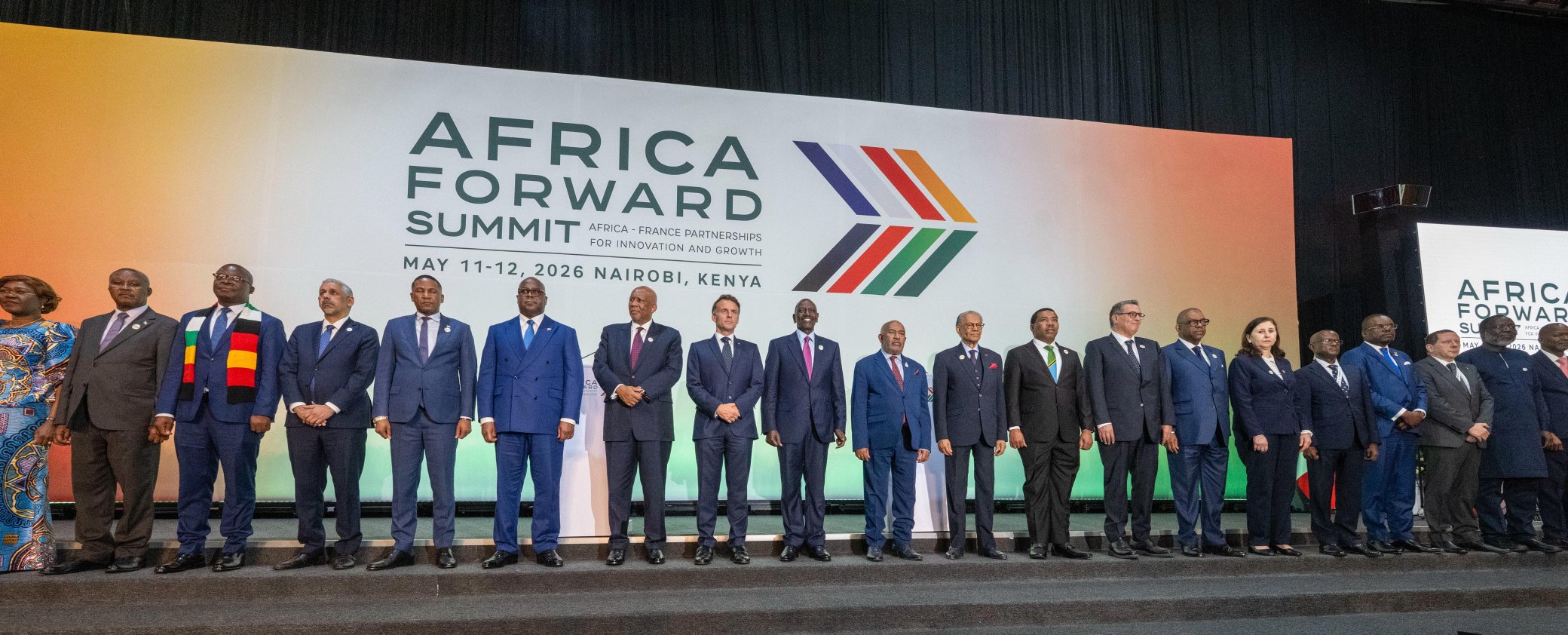
African governments are beginning to embrace artificial intelligence, connectivity, and digital infrastructure as integral components of a broader economic sovereignty agenda, rather than viewing them as separate technology sectors. At the Africa Forward Summit in Nairobi, leaders from across the continent discussed strategies to unify AI capabilities, transportation systems, energy investments, and the mobilization of private capital into a cohesive development framework aimed at reducing reliance on external financing models.
This dialogue marks a significant evolution in how African nations articulate their technological aspirations. Digital infrastructure is increasingly regarded as critical national infrastructure, akin to traditional sectors like ports, rail, aviation, and energy systems. As such, governments are now seeking long-term domestic investments to finance these pivotal projects.
During the summit, President William Ruto of Kenya highlighted this paradigm shift, arguing that African economies should increasingly depend on domestic capital, private investment partnerships, and regional industrial capacity to foster sustainable growth.
AI and Connectivity Will Drive Economic Policy
For years, discussions centered on Africa’s technological growth have largely revolved around the startup ecosystem, fintech adoption, and mobile connectivity. The scope of this conversation has now expanded to encompass infrastructure financing, data systems, and industrial competitiveness.
Co-hosted with French President Emmanuel Macron, the summit underscored how African leaders continuously link economic transformation to digital connectivity, logistics integration, energy access, and AI-driven industries. Ruto emphasized the need for investments in transport corridors, aviation systems, ports, and digital connectivity to facilitate intra-African trade within the framework of the African Continental Free Trade Area. Furthermore, he stressed the need to prepare Africa’s youth not only for employment but also for innovation in technology and industrial development, particularly in artificial intelligence.
This discourse reflects a growing consensus across the continent that digital systems are becoming strategic assets crucial for economic independence and long-term competitiveness.
Infrastructure Capital Emerges as a Major Constraint
A prominent theme at the summit was the issue of funding. African governments are grappling with high borrowing costs in international markets, often relying on external lenders and multilateral institutions for substantial infrastructure projects. Leaders at the summit argued that these funding structures are hindering long-term industrial and technological growth.
Ruto pointed out that Africa possesses over $4 trillion in domestic long-term savings—including pension and insurance assets—with governments keen to channel these funds into infrastructure and productive investments. Kenya’s recently established National Infrastructure Fund was highlighted as a promising model for achieving this goal, reportedly raising about $1 billion within months of its launch through public-private investment structures and domestic capital participation.
The fund is expected to finance projects in transportation, aviation, and energy, but its model also has implications for the development of digital infrastructure. Significant investments are required for large-scale data centers, cloud facilities, fiber expansion, and AI computing infrastructure, necessitating stable financing structures similar to those traditionally used in infrastructure assets. This intersection creates new synergies between national industrial policy and the growth of the technology sector.
The Debate Over Africa’s Technology Sovereignty Is Growing
The summit also spotlighted rising political concerns around sovereignty in digital and financial systems. African leaders contended that the existing international financial architecture places developing economies at a disadvantage, characterized by elevated capital costs and risk assessments deemed disconnected from local economic realities.
In response, there have been calls for establishing an African Credit Rating Agency to offer alternative evaluations of Africa’s economic and investment landscape. While primarily a financial initiative, it also intersects with ongoing discussions around digital sovereignty across the continent. Governments are increasingly focused on who will fund infrastructure, manage strategic data systems, and locate computing resources, as well as on ensuring that African economies derive substantial benefits from digital advancements.
These issues have become increasingly pressing as the global demand for AI infrastructure grows. The successful deployment of advanced AI systems heavily relies on robust power capacities, fiber networks, cloud infrastructure, and large-scale computing resources. Many African startup ecosystems, however, struggle to secure the required levels of funding independently.
Youth Demographics Are Transforming into Innovation Hubs
Another pivotal shift in the summit discussions was the characterization of Africa’s youth demographics. Political leaders have begun to view Africa’s young population not merely as a labor force but as an invaluable asset for innovation and industrial development linked to technological advancement.
This perspective aligns with broader initiatives aimed at enhancing startup ecosystems, expanding digital training programs, and promoting technical education focused on AI, software development, and advanced manufacturing. However, significant structural challenges persist. Many African startup ecosystems still contend with obstacles such as limited access to growth capital, fragmented infrastructure, and unpredictable internet reliability. Recently, venture funding for African startups has declined from its pandemic-era peaks, putting increased pressure on governments and institutional investors to prioritize infrastructure investments rather than relying solely on private venture markets.
France and Europe Are Repositioning Their Roles
France utilized the summit as an opportunity to indicate that its relationship with African economies would pivot towards investment rather than aid. Macron emphasized that France and Europe have a vested interest in Africa’s economic sovereignty and sustained industrial growth. He cited billions of dollars in investments stemming from private sector initiatives in Africa and advocated for partnerships grounded in mutual economic benefit.
This shift illustrates the intensifying competition among global powers vying for influence in Africa’s infrastructure, energy, and technology sectors. European governments, Gulf states, China, and the United States are all amplifying their presence in connectivity, logistics, cloud infrastructure, energy transitions, and AI capabilities.
For African governments, the strategic challenge now lies not only in attracting investment but also in maintaining ownership, bargaining power, and long-term economic value within these partnerships.
Digital Infrastructure Is Becoming a National Asset
The overarching significance of the summit may well reside in the manner in which technology infrastructure is integrated into national development strategies. African leaders are increasingly moving past a narrow view of digital transformation, which has focused on consumer internet growth and mobile adoption. Conversations are now shifting towards industrial systems, infrastructure ownership, financing mechanisms, and the role of sovereign economies in this ecosystem.
This shift is poised to reshape the role that technology plays in public policy. Connectivity networks, AI infrastructure, logistics platforms, energy systems, and data capacity are increasingly recognized as critical components of national economic frameworks rather than mere technology sectors. While it remains uncertain how effectively governments will be able to mobilize large-scale funding for these ambitious goals, the summit underscored that digital infrastructure is steadily becoming more central to Africa’s economic planning.
