


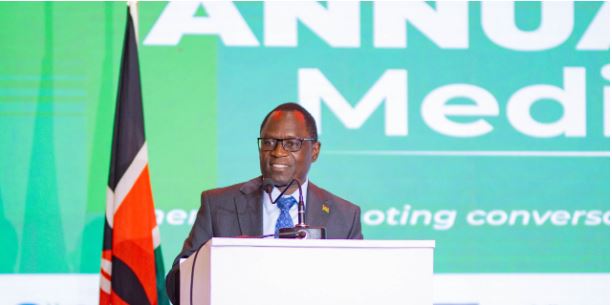
Africa Embraces Digital Transformation at Media Summit
As Africa experiences a rapid transformation fueled by artificial intelligence and digital platforms, governments across the continent have reaffirmed their commitment to safeguarding media freedom, ensuring information integrity, and nurturing resilient digital ecosystems.
Emphasizing the Need for Ethical Journalism
During the Africa Media Summit held in Nairobi on May 13, Stephen Isaboke, the Chief Secretary of the Department of State Broadcasting and Communications, highlighted the importance of African media adapting to technological advancements while maintaining ethical journalism and democratic principles. He emphasized that the continent is entering a pivotal digital era that will significantly alter how information is generated, shared, and consumed.
The Shift to a Post-Digital World
Isaboke noted that we are witnessing a complete shift from a pre-digital to a post-digital world, fundamentally transforming media operations globally. He commended the summit’s hosts, including the Organization for Economic Co-operation and Development (OECD) and the Kenya Media Council, for facilitating vital discussions on information integrity, digital platforms, and the future of media in Africa.
Keen on Promoting Media Freedom
He also acknowledged the pivotal role of prominent media professionals and industry leaders in attendance, such as representatives from the Kenya Guild of Editors, the Kenya Union of Journalists, and the Media Complaints Commission. Isaboke reiterated Kenya’s commitment to fostering a media landscape that is free, responsible, and adaptable to technological innovations, underpinned by the constitution and support from progressive regulations.
Kenya’s Robust Media Landscape
The Chief Secretary touted Kenya as hosting one of the most advanced and dynamic media ecosystems in Africa, bolstered by extensive infrastructure development, widespread mobile penetration, and increasing internet connectivity. With mobile penetration exceeding 100 percent, most Kenyans now access news and entertainment through digital and social media platforms, marking a significant change in consumption patterns.
Navigating the Challenges of Digital Consumption
Isaboke acknowledged that the rise of digital platforms is reshaping traditional media business models. News organizations are compelled to embrace digital-first strategies, subscription models, and data-driven journalism to maintain viability. He cautioned that regulatory frameworks must now extend beyond conventional spectrum management to accommodate the new landscape where organizations can reach vast audiences without traditional licensing.
Addressing Misinformation in the Digital Age
While recognizing the opportunities presented by Africa’s growing digital economy, Isaboke also pointed out the serious threats posed by misinformation and AI-generated content to public trust and democratic processes. The challenge of distinguishing between authentic journalism and fabricated content has intensified, with deepfakes and manipulated information deeply complicating public discourse.
Building a Forward-Looking Digital Ecosystem
Despite the hurdles, Isaboke believes Africa is uniquely positioned to shape its digital future, thanks to its youthful population and burgeoning pool of innovators. He called for the development of an African-led digital platform and AI ecosystem centered on local data and languages, emphasizing the necessity for discussions at the summit to result in actionable policies. Initiatives such as a proposed Center of Media Excellence were welcomed as critical steps toward enhancing journalism standards and media innovation across the continent.
