


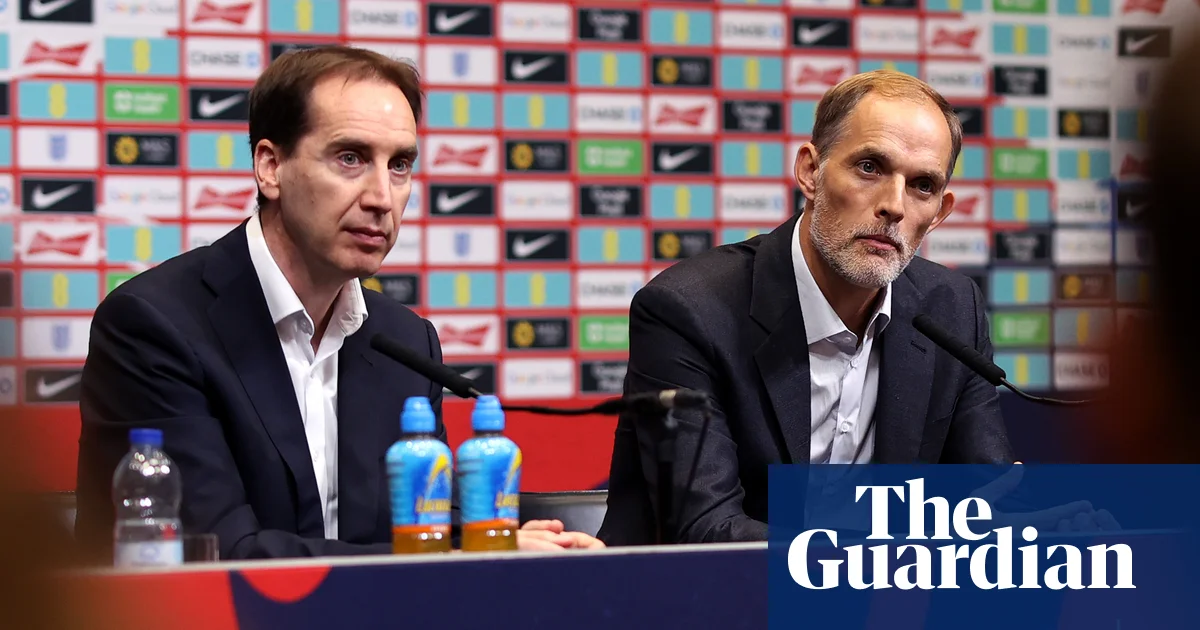
FA’s Search for Gareth Southgate’s Successor
When the Football Association set out to find a successor to Gareth Southgate in 2024, CEO Mark Bullingham enlisted two external data firms to construct a profile of what constitutes a successful international manager, specifically tailored to the needs of England’s squad. Using this data, the top 50 coaches in the world were evaluated against specific criteria to create a shortlist of suitable candidates.
Data-Driven Insights into Coaching Potential
Bullingham remarked on the initial findings, noting that the shortlist could have been compiled within minutes in a casual conversation, yet emphasized the true value of this data-driven approach. “Assessing the relative strengths and weaknesses of these coaches is invaluable,” he said. The data revealed insights into various coaching attributes, such as player development, performance in finals, playing style, and tactical flexibility. The goal was to identify coaches who had a proven track record of success, particularly in relation to the resources available to them.
Identifying Coaching Categories
The analysis identified three distinct categories of coaches. First were the high-potential candidates still early in their careers; next were the “elite” coaches who had demonstrated top-level qualities and accolades; finally, the “super-elites” stood out as the best in the industry, known for winning prestigious titles and managing significant clubs and players.
Narrowing Down to Super-Elite Candidates
During the vetting process, the FA filtered out seasoned coaches who had not worked at the highest echelons of English football. This process ultimately revealed a shortlist of five “super elite” candidates best suited for the needs of the FA moving forward. With this list in hand, Bullingham and men’s technical director John McDermott proceeded to make their selections.
Engaging Prominent Coaches
The FA initiated contact with high-profile coaches such as Josep Guardiola to gauge interest, although these discussions remained unconfirmed. Bullingham noted the necessity for a thoughtful and cautious approach to recruitment, indicating that the strategy involved a targeted engagement with the top five coaches, rather than a broad-based recruitment process. He emphasized the need for a collaborative relationship in which both parties were assessing fit.
Interviews and Initial Engagements
One of the standout candidates, Thomas Tuchel, initially proved difficult to reach. However, a simple inquiry about his interest led to an in-depth conversation lasting over an hour. Those familiar with Tuchel’s background indicate he would bring unwavering commitment to the role. McDermott experienced an early challenge during his trip to Munich to speak with Tuchel, but the connection was instant. Tuchel’s passion for football and the English league sparked curiosity and excitement during their discussions.
Building a Comprehensive Coaching Team
The FA recognized the strategic advantage of including Anthony Barry, Tuchel’s colleague, in their plans. While the research revealed no British candidates at the “super elite” level, several promising British coaches were considered for future opportunities. Bullingham expressed confidence in the depth of talent available, stating the organization prioritized finding the right person to secure victories, regardless of nationality.
Dynamic Meetings and Presentations
The first face-to-face meeting among Bullingham, Tuchel, and Barry took place in a discreet location—a private room at an airport in Germany. This setting allowed for frank discussions, and Tuchel’s initial presentation was impressively detailed. Bullingham noted that his presentation was high-caliber for a first meeting, showcasing not only tactical insights for the next 18 months but also a clear vision of player engagement and relationship management.
This engaging blend of passion and professionalism positioned Tuchel as a leading candidate, demonstrating a harmonious balance between formal presentations and natural conversational ease. The FA’s recruitment strategy highlighted the importance of effective communication at all levels, which Tuchel evidently embodies.
