


South West Nigeria Faces Escalating Kidnapping Crisis
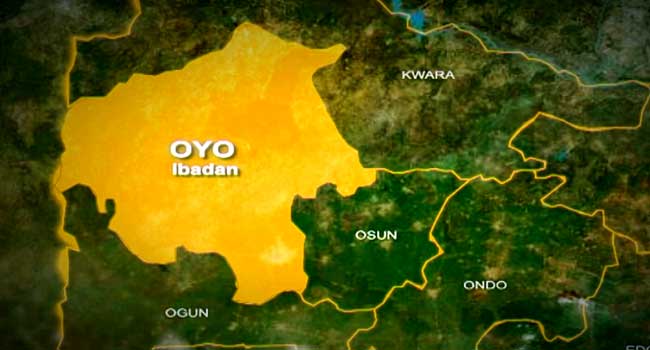
For the South West region, the feared consequences of Nigeria’s escalating school kidnapping crisis have tragically become a reality. On Friday, gunmen targeted three schools in the Yawota and Eshiele local government areas of Oyo State, leading to the loss of two lives and the abduction of both students and teachers.
Governors Urged to Collaborate on Security Initiatives
This crisis extends far beyond Oyo State University, affecting a region increasingly vulnerable due to a lack of coordinated and effective security measures from the governors of the six southwestern states. Immediate action is required from Governor Abiodun Oyebanji (Ekiti), Governor Babajide Sanwo-Olu (Lagos), Governor Dapo Abiodun (Ogun), Governor Lucky Ayedatiwa (Ondo), Governor Ademola Adeleke (Osun), and Governor Seyi Makinde (Oyo). They must prioritize the development of a clear and time-sensitive operational strategy to confront groups potentially aligned with Islamist militants operating in the area.
Emergency Action Plan for Community Security
In light of the recent attack, it is crucial for the South West governors to convene an emergency security meeting. Immediate discussions should focus on implementing short-term measures, including the establishment of a community security agency. Collaborating with the Federal Government and relevant security agencies will be essential for appointing a Regional Security Coordinator to effectively address the situation.
Unprecedented Assault Heightens Alarm
The details of Friday’s assault are alarming. In broad daylight, just after the morning assembly, armed assailants attacked a Baptist nursery school, a community grammar school, and an elementary school in Yawota. This brazen attack stands as one of the most audacious on educational institutions in the region’s history, with psychological ramifications likely to linger long after the chaos subsides.
Security Vacuums and Delayed Responses
The attack resulted in widespread panic, with armed groups opening fire indiscriminately as residents fled. Unfortunately, this chaos claimed the lives of L.A. Elementary School Vice Principal Joel Adesiyan and a commercial motorcyclist, while many students and teachers were kidnapped. By Saturday, the total number of victims remained unclear. In response, the Oyo State government opted to close schools in the affected areas, a move that risks becoming a mere band-aid solution without long-term security enhancements.
Addressing Structural Weaknesses in Policing
The attackers capitalized on a significant security gap; residents reported the absence of a local police station, which has left the area exposed. The police response came approximately two hours post-attack, allowing the assailants to melt away into the nearby Oyo National Park. This highlights Nigeria’s strained and centralized policing system, where resources are overstretched, often diverted to the protection of VIPs rather than ensuring community safety.
Historical Context and Rising Terrorism Risks
What transpired on Friday marks a turning point for the South West, once the country’s safest region, now targeted by opportunistic militants. Signs of this deteriorating security landscape have been evident for some time; January witnessed bandit attacks in Oyo National Park, resulting in the deaths of five rangers, yet national attention stayed focused on political dynamics rather than the pressing issue of security vulnerabilities. In recent months, attacks have also occurred in communities in neighboring Kwara State, amplifying the threats faced by the South West region.
Need for Unified Action Against Growing Violence
The current climate requires a unified and proactive approach from the governors. The tragic past experiences of the region offer a blueprint; following significant incidents, the establishment of the Amotekun Corps in early 2020 demonstrated successful regional security collaboration. Now is the time to revive that spirit of coordination and urgency, particularly among influential figures such as Sanwo-Olu, Makinde, and Abiodun. The shift must occur from reactive measures to a comprehensive strategy for active prevention, including intensified intelligence gathering and forest monitoring, bolstered by advanced technology.
