


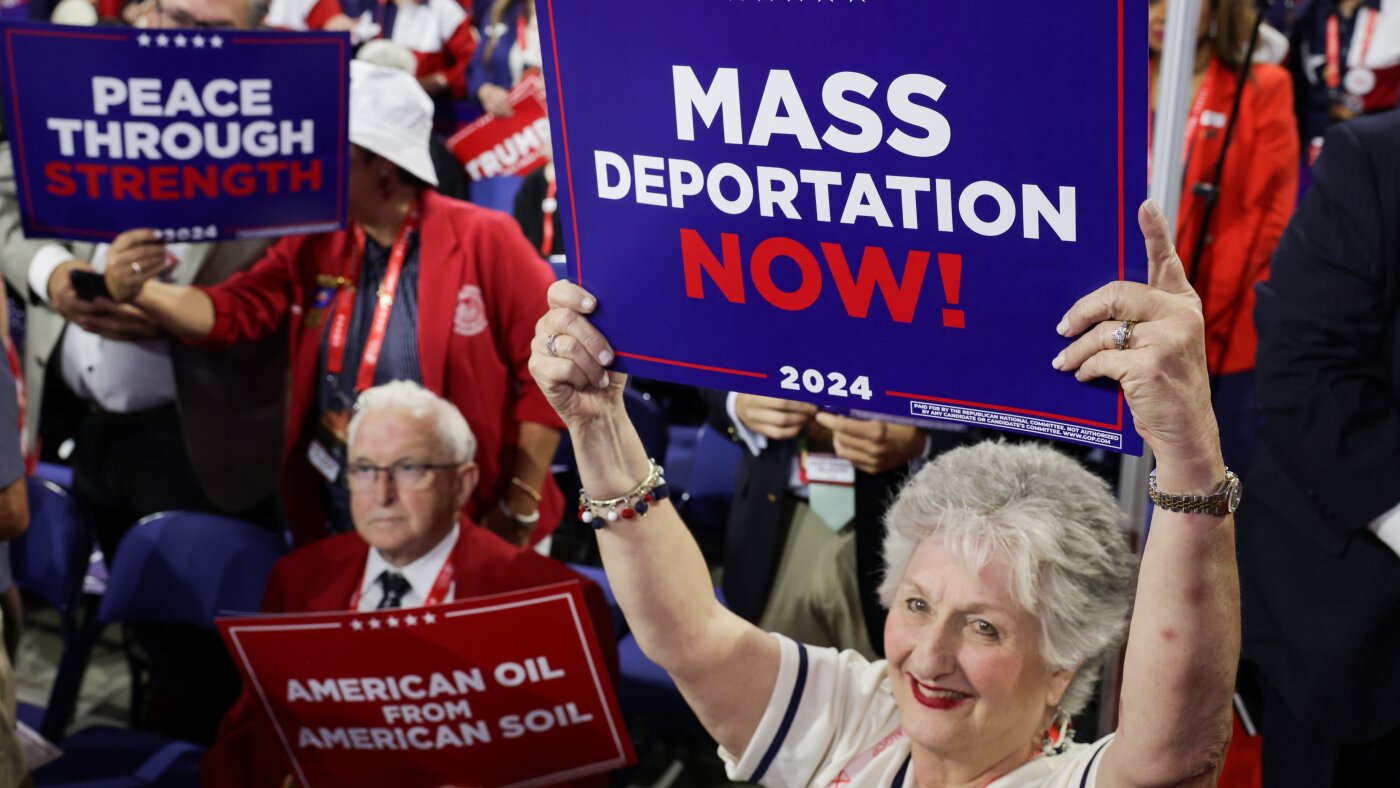
Analyzing the Evolution of Trump’s Immigration Policy
The current landscape of the Trump administration’s immigration policy reveals significant shifts, particularly following his initial campaign promise to prioritize mass deportations. After taking office, federal agents were mobilized nationwide to enforce immigration laws aggressively.
Operational Developments in Immigration Enforcement
In January 2026, the enforcement operations intensified with the deployment of ICE and Border Patrol agents to locations such as Minneapolis, sparking heightened tensions. Incidents involving the shootings of individuals by immigration agents have intensified public scrutiny and led to a decline in support for the administration’s immigration strategy. A recent NPR/PBS News/Marist poll indicated that two-thirds of respondents feel federal law enforcement agencies have overstepped their bounds.
Leadership Changes Amidst Policy Continuity
The dismissal of Homeland Security Secretary Kristi Noem marked a significant pivot in leadership, with new officials stepping in to guide the agency. Despite these changes, deportation efforts have not waned. Tom Homan, the White House border czar, has reiterated a strong commitment to enforcing immigration laws without hesitation, suggesting that the mission continues undeterred.
Shifting Tactics and Public Sentiment
Although the Trump administration has taken a less visible approach to its mass deportation policy, enforcement efforts remain vigorous. As support for such strategies dwindles, NPR’s correspondents have begun examining how the administration’s tactics have shifted in response to mounting public discontent.
Trends in Immigration Enforcement and Budget Allocations
Recent changes in leadership align with broader objectives to reduce visible enforcement actions while ramping up operational capabilities. ICE has hired thousands of new personnel, including deportation officers and legal experts, to address the high volume of immigration cases, indicating a strategy focused on enhancing enforcement resources without overt publicity.
The Political Landscape and Future Implications
The political implications of these immigration policies become particularly pertinent as the midterm elections approach. Early enforcement actions have sparked protests and negative media portrayals, which have adversely affected public approval ratings. As Congress deliberates over significant funding for immigration enforcement, the interconnectedness of politics and enforcement strategies becomes apparent.
Voter Sentiment and the Immigration Debate
While immigration remains a salient issue among Republican voters, there are signs of growing concern about enforcement tactics. The evolving landscape reflects complexities that extend beyond ideological divides, often intersecting with economic concerns as voters weigh the implications of immigration policies leading up to the elections. Both parties are currently grappling with how best to frame the immigration issue to mobilize their bases while addressing the public’s multifaceted concerns.
