


Upcoming Earnings Reports Will Assess Consumer Resilience Amid Rising Prices
This week, the four largest American retailers—Home Depot, Lowe’s, Walmart, and Target—are set to announce their quarterly earnings. The key question analysts seek to answer is whether consumers are beginning to feel the impact of escalating prices.
These results are anticipated to offer vital insights into how U.S. households are managing an economy increasingly burdened by high fuel costs, persistent inflation, and elevating borrowing rates. As energy prices continue to rise, consumers are facing mounting financial pressure from transportation, food, and household expenses.
Economists, investors, and industry observers will meticulously analyze the financial updates and comments from company executives for signs of strain. Are consumers opting for budget-friendly products? Have home improvement projects been postponed? Are discretionary purchases being sacrificed for essential goods?
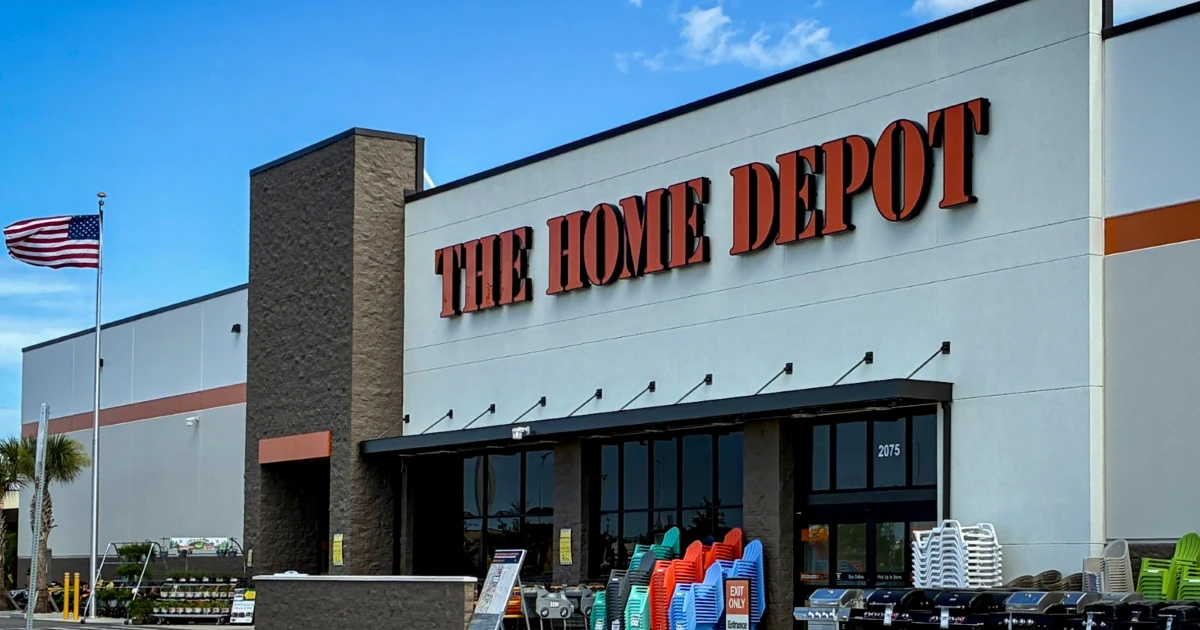
Home Depot will launch this wave of earnings reports on Tuesday at 9 a.m. ET. Observers hope to glean initial insights regarding consumer confidence and the housing sector, particularly given the current national average mortgage rate of 6.68% for a 30-year fixed loan, as reported by Mortgage News Daily.
Preliminary spending data from this spring suggests consumers are still holding their ground, albeit unevenly. A recent analysis from the Bank of America Research Institute revealed that credit and debit card spending per household rose by 4.8% in April year-over-year, marking the largest monthly increase in three years.
However, economists caution that beneath this apparent resilience lies a growing divide. The so-called “K-shaped economy,” characterized by a pronounced disparity in spending habits, has become more distinct. Wealthy consumers continue to spend robustly, buoyed by gains in the stock market and increasing home equity, while low- and moderate-income households are trimming discretionary expenses, including food and entertainment.
Declining disposable incomes pose significant challenges for lower-income households, especially as inflation reached 3.8% in April, outpacing the 3.6% growth in wages for the same month. This imbalance could complicate policy decisions for the Federal Reserve under its incoming chairman, Kevin Warsh.
Mr. Warsh has signaled a willingness to consider “systemic change” within the Fed. Should inflation trends persist, the central bank may need to maintain higher interest rates longer than projected, aiming to avoid that the economy overheats. Such rate hikes directly influence consumer borrowing costs, increasing financial strain on businesses and the consumers already grappling with surging costs.
While households possess temporary buffers, such as tax refunds and savings, these resources are not evenly distributed. Economists at Bank of America emphasize that this discrepancy illustrates the growing gap in resilience and stress among different segments of the population.
