


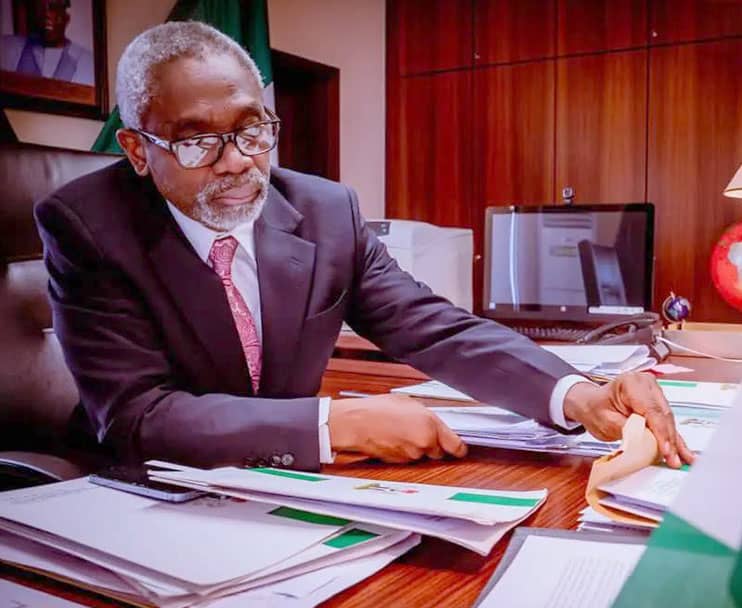
Femi Gbajabiamila: The Chief of Staff Navigating Nigeria’s Political Landscape
In any administration, some roles are steeped in ceremony, while others are focused on tangible outcomes. The position of Chief of Staff firmly belongs to the latter category. Lacking the visibility of elected officials or ministers, the Chief of Staff plays a critical role within the intricate structure of presidential authority. Currently, this essential position is occupied by Femi Gbajabiamila.
As Chief of Staff to President Bola Ahmed Tinubu, Gbajabiamila operates at the nexus of politics and policy, balancing access and enforcement. His responsibilities extend beyond merely being close to power; he is tasked with organizing it. This entails managing the daily functions of the presidency, coordinating priorities, safeguarding the president’s time, and ensuring that Nigeria’s highest office remains efficient and focused amidst potential distractions and conflicts.
For Gbajabiamila, this role signifies both the apex of his two-decade parliamentary career and a significant trial. He has transitioned from opposition to dominance in Nigerian politics, culminating in his tenure as the Speaker of the House of Representatives from 2019 to 2023. However, leading in a legislative capacity differs markedly from the nuances of presidential influence, where success often hinges on discretion and timing rather than overt authority.
Political Journey to Power
Gbajabiamila’s ascension was not coincidental; it stemmed from a decades-long commitment to public service. He represented Surulere 1st Federal Constituency for twenty years, gaining an unparalleled institutional memory of Nigeria’s legislative framework. His prior roles, including House Minority Leader and Speaker of the House, have armed him with essential insights into the mechanisms of political negotiation.
The Nigerian presidency cannot operate in isolation. It must continually engage with a spectrum of stakeholders: parliament members, party entities, state governors, ministers, security personnel, business leaders, and civil society. A Chief of Staff who possesses an intimate understanding of these dynamics is an invaluable asset, enabling smoother negotiations and facilitating the legislative processes that underpin presidential initiatives.
More Than Just a Gatekeeper
Often labelled as the president’s gatekeeper, the Chief of Staff’s role encompasses much more than scheduling appointments or adhering to protocol. Gbajabiamila embodies this broader function by adeptly interpreting the president’s wishes and aligning them with actionable plans. This requires him to gauge potential resistance within the system and convert overarching political goals into cohesive national efforts.
His appointment signaled President Tinubu’s intent to keep a politically astute figure close at hand—someone with both legislative acumen and a profound understanding of party dynamics. This strategic decision emphasizes that successful governance necessitates not only expertise but also the ability to manage political flow effectively.
Navigating a Period of Economic Reform
Gbajabiamila’s role is pivotal within the complex landscape of the Tinubu administration, especially in light of the extensive economic reforms Nigeria is undergoing. Since 2023, the country has grappled with significant challenges, including the removal of fuel subsidies, currency reforms, skyrocketing inflation, and heated discussions regarding the social implications of these changes.
In this volatile context, the job of Chief of Staff demands a delicate balance. Gbajabiamila must ensure that the government remains focused amidst rising public discontent. He is responsible for managing dissenting voices within the administration, fostering clear communication, and maintaining consistency in presidential messaging. Poorly communicated reforms can lead to widespread distrust—a situation Gbajabiamila must diligently work to avoid.
A Legislative Insight in the Executive Arena
What distinguishes Gbajabiamila from many in the executive branch is his extensive legislative experience. He understands that effective governance transcends mere directives; it necessitates building consensus. In the ever-evolving political ecosystem, negotiation and persuasion are critical for success. Even within a powerful presidency, legislative coordination is essential for advancing reforms, approving appointments, and ensuring political continuity.
His expertise strengthens the channels of communication between the executive and legislative bodies, fostering a collaborative environment. While no outcome is guaranteed, having someone in close proximity to the president—who comprehends the intricacies and demands of Congress—can significantly enhance governance.
The Weight of Influence
However, the proximity to power carries inherent challenges. With influence comes scrutiny, and Gbajabiamila is not immune to speculation about his role. In December 2025, he faced intense rumors regarding his position, prompting President Tinubu to publicly affirm his continued authority as Chief of Staff.
This episode underscored the sensitive nature of Gbajabiamila’s position. Although not elected, his role is rife with political implications. Rumors can quickly morph into narratives about influence and access, making him a focal point in Nigeria’s complex political culture, where proximity to the presidency is equated with power.
Loyalty, Competence, and Political Acumen
For Gbajabiamila, loyalty has historically played a pivotal role in his political identity, particularly within the All Progressives Congress. Yet, loyalty alone is insufficient for his current responsibilities. The presidency demands a blend of dedication and expertise, requiring emotional discipline, strategic patience, and an ability to navigate crises adeptly. It’s crucial for a Chief of Staff to know when to speak up and when to step back, ensuring they do not overshadow the president’s authority.
Ultimately, Gbajabiamila’s journey is emblematic of a transition from a prominent legislative figure to a strategic operator in the executive realm. His effectiveness will not be gauged by his public visibility but by his capability to instill order and coherence amid complexity. Nigeria faces daunting challenges that necessitate a presidency capable of transforming decisions into impactful actions.
At a crucial moment in Nigeria’s democratic evolution, Femi Gbajabiamila stands not merely as a former Speaker, but as a central figure in the administration’s quest for meaningful reform and stability. Should the Tinubu administration navigate these complexities successfully, the influence of Gbajabiamila will be evident not in grand appearances but in the quiet, efficient management of governance behind the scenes.
