


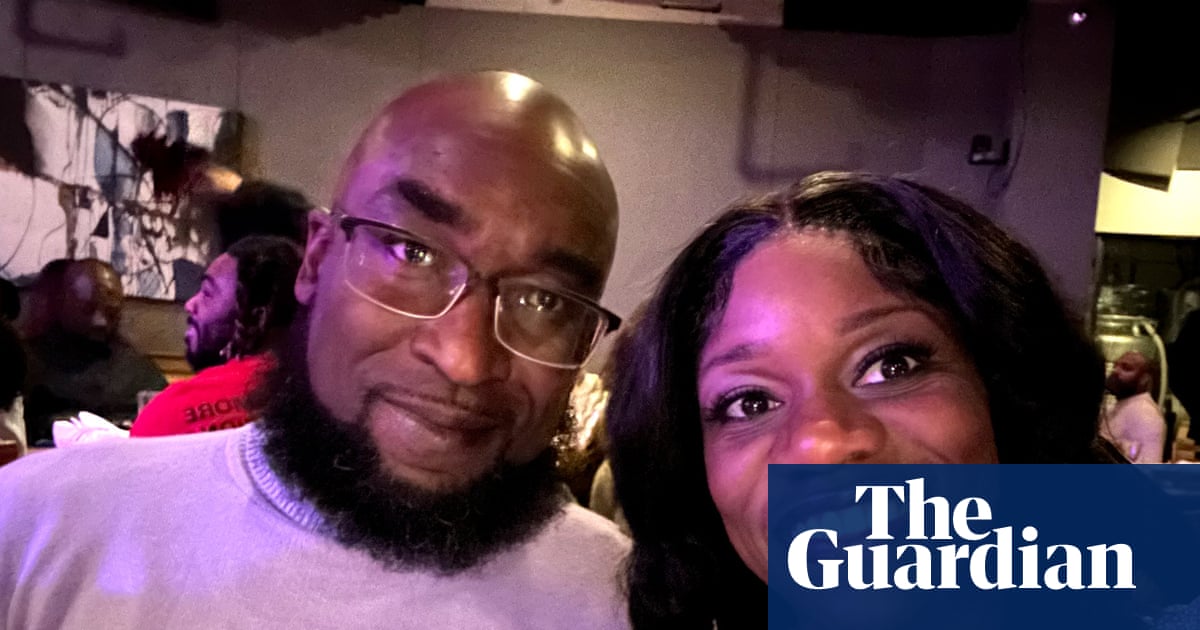
A Celebratory Return to Freedom for Rodney Taylor
On a recent warm afternoon in Atlanta’s Candler Park neighborhood, Rodney Taylor savored his first root beer float in a year and a half. The Liberian-born barber had just emerged from Georgia’s Stewart Detention Center, where he had been held since February 2018. The moment marked a joyous reunion with his family and supporters, who surrounded him as he flashed a wide smile.
Challenges During Incarceration
At 47, Rodney is a green card applicant and a double amputee who relies on prosthetic legs. He came to the United States from Liberia under a medical visa in his youth. His troubles began when he was detained by ICE agents due to a robbery conviction from his teenage years, despite receiving a pardon from the state of Georgia in 2010. According to his attorney, Sarah Owings, Rodney’s health deteriorated significantly during his time in custody, resulting in severe back pain and the loss of mobility.
The Political and Personal Struggles
Despite a habeas corpus petition, protests, and advocacy from public figures, including Georgia Congresswoman Lucy McBath, ICE continued to hold Rodney. His release finally came this month, allowing him to return home to Loganville, Georgia, where he was greeted by a Christmas tree that his wife, Mildred Danis Taylor, had kept up in anticipation of his arrival.
Reconnecting with Support Networks
The joy of freedom brought unexpected surprises, as Mildred began receiving calls from former detainees across the globe, including India, Nigeria, and Indonesia. These individuals shared their disbelief and happiness over Rodney’s release, turning the experience into a bittersweet reminder of the struggles faced by many who remain in custody.
Transformations and Future Aspirations
Rodney has transformed from a detainee to an advocate, expressing his desire to highlight the injustices faced by individuals in ICE detention. He aims to open a barbershop and community center focused on immigration reform and healthcare education. The couple’s recent public appearances have encouraged Mildred to consider a political path, with Rodney enthusiastically supporting her potential candidacy for city council.
Adjusting to a New Reality
Adjusting to life outside of detention poses its own set of challenges. Rodney is still getting used to his freedom, dining out frequently and undergoing necessary medical evaluations that were neglected during his time in custody. He finds himself taking his three older children out to dinner, acting not just as a father but as a source of emotional support in the wake of their trauma.
Ongoing Advocacy and Future Uncertainty
Mildred continues to advocate for the rights of detainees, raising awareness about the conditions faced by those with disabilities. Despite their newfound freedom, both she and Rodney are acutely aware of the precarious nature of their immigration status. Rodney is required to check in weekly with ICE via an app, and their home is subject to regular visits from agency representatives.
Rodney’s attorney, Owings, emphasizes that his release is the result of a multifaceted effort involving advocates, family members, the media, and lawmakers. As they navigate their uncertain future, both Rodney and Mildred feel compelled to use their voices for change, committed to speaking out until systemic issues are addressed and resolved.
