


Disparity in Age Assessments for Asylum Seekers in the UK
Data from the Home Office reveals that young asylum seekers in the UK are over twice as likely to be assessed as adults by immigration officers compared to evaluations conducted by social workers. Between July 2025 and March 2026, immigration authorities completed 4,320 initial age determinations, with only 1,363—equating to 32%—identified as children.
Contrasting Findings from Local Authorities
In contrast, out of the 3,102 age assessments carried out by local authority social workers during the same timeframe, 1,198, or 68%, were categorized as children. This significant difference raises concerns, particularly amid political accusations that adult asylum seekers are misleading authorities by posing as minors.
Concerns Over Assessment Procedures
The Home Office stated that initial checks by immigration officers often occur rapidly and with limited information, whereas local authority assessments can take 6 to 8 weeks to complete. In an effort to improve the accuracy of these evaluations, the Home Office has established the National Age Assessment Board (NAAB), which employs in-house social workers tasked with assessing the ages of young asylum seekers.
Lack of Documentation Complicates Assessments
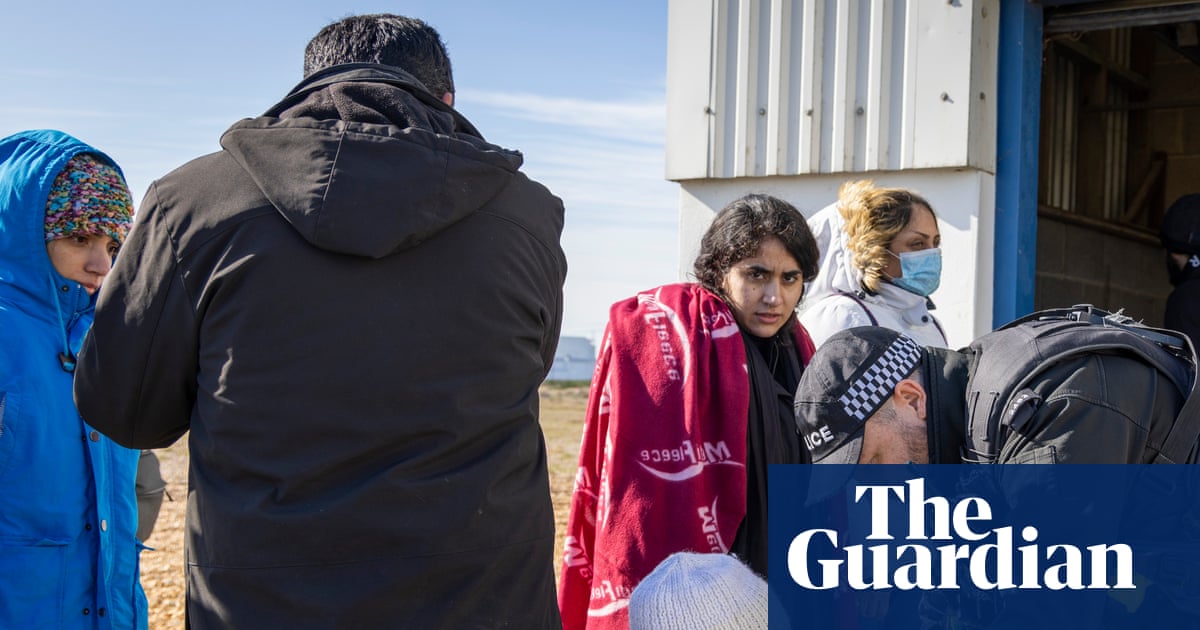
Many children arriving from countries such as Afghanistan, Sudan, and Eritrea lack essential documentation like passports or birth certificates. In numerous instances, UK border authorities estimate a person’s age based solely on their physical appearance and demeanor, leading to misclassification—those perceived as over 18 may be directly assigned to adult accommodations or immigration detention.
Criticism of Visual Assessment Practices
Last year, a report by the independent Chief Inspector of Borders and Immigration raised alarm over the Home Office’s reliance on “perfunctory” visual assessments, highlighting the pressure young individuals often face to sign documents declaring their adult status. Some minors who are mistakenly classified as adults may face prosecution for immigration violations and are placed in adult prisons or immigration detention centers.
Human Rights Concerns Over Detention Practices
Kamena Doering, policy director at the Helen Bamber Foundation, expressed that the publication of full statistics on age disputes is a substantial step forward. She emphasized that there is now clearer insight into the crisis surrounding the treatment of children within the adult asylum system. Doering criticized the Home Office for persisting with flawed assessments that incorrectly classify children as adults, calling it a serious security lapse.
Recent Findings on Detained Young People
A recent study conducted by the Jesuit Refugee Service and Humans for Rights Network found that since the “one-in-one-out” system began last August, at least 141 young individuals with disputed ages have been detained. Among these, at least 64 have subsequently been recognized as children by local authorities, while an additional 18 were transferred to France. Sophie Cartwright, a senior policy officer at JRS UK, condemned the detention of children, noting the severe psychological and physical trauma many have already endured.
Concerns About Future Assessments
The Home Office has proposed removing local authority control over the age assessment process, aiming to centralize authority within the NAAB. This suggestion has drawn sharp criticism. Professor Sam Barron, interim chief executive of the British Association of Social Workers, argued that local authorities are well-equipped to perform age assessments independently and expressed concern that the proposed changes could diminish their crucial role in safeguarding vulnerable individuals. The Ministry of Home Affairs has been contacted for a response on this matter.
