


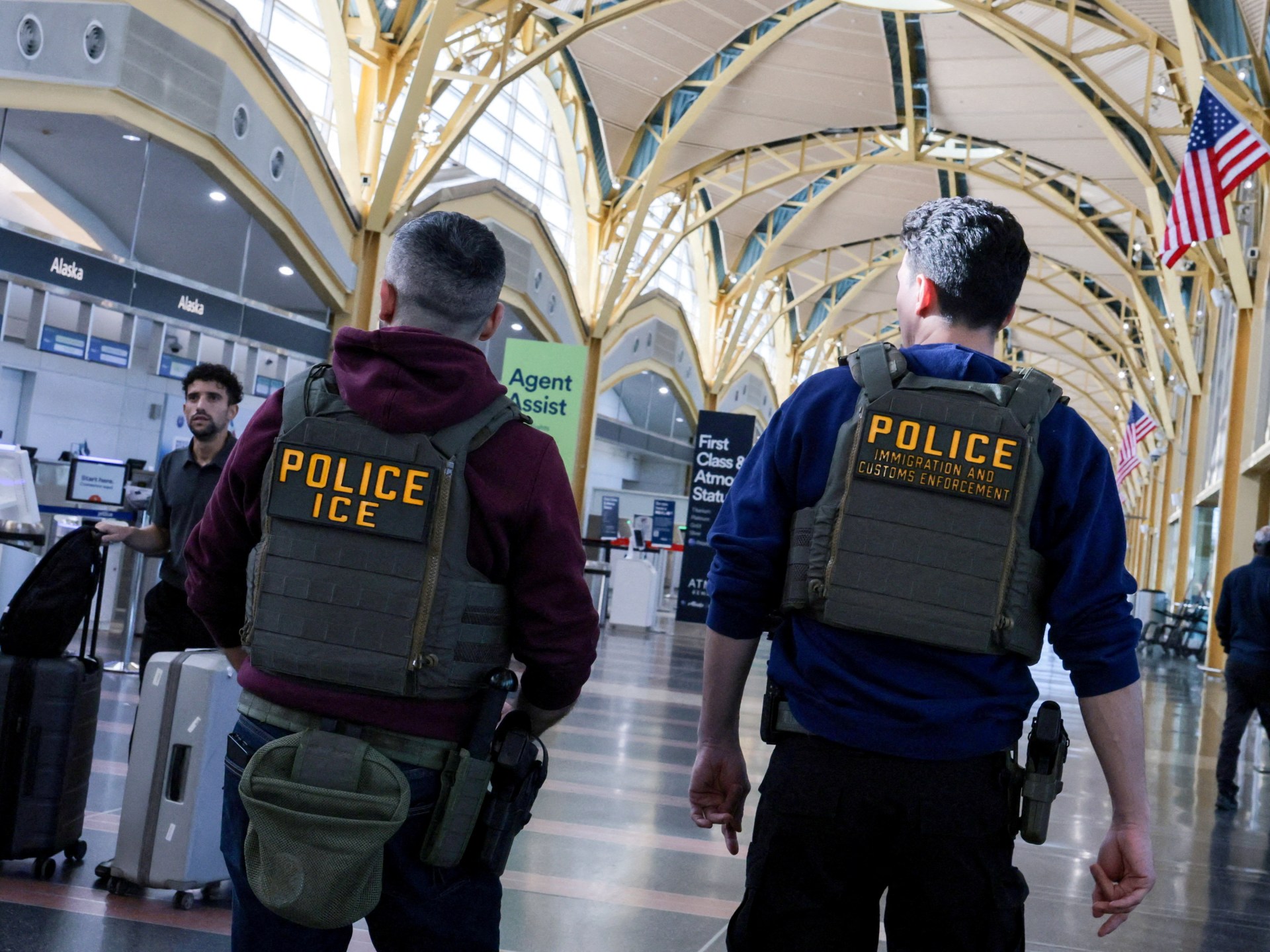
An ICE officer is under scrutiny for mental health and behavioral issues following a shooting incident that resulted in a fatality in Maine.
Published July 26, 2026
The internal review of an Immigration and Customs Enforcement (ICE) officer involved in the fatal shooting of a Colombian man in Maine is underway. This follows alarming claims from the officer’s relatives regarding his mental health struggles and a troubling history of violent behavior, as reported by The Associated Press.
Tom Homan, President Donald Trump’s border czar, expressed concerns on Sunday about the implications of these allegations. He indicated that if the accusations against the ICE officer prove accurate, it raises significant questions about the vetting process for such positions. “I don’t think he should have gotten through the process,” Homan remarked.
Incident raises scrutiny of ICE training protocols
Homan informed CNN that a thorough evaluation of current training protocols is in progress. He specifically mentioned the situation surrounding retired Army officer David Brouillette, emphasizing that the Home Affairs department is also reviewing this matter. The recent surge in violent incidents, including mass shootings targeting immigrants in Maine and Houston, has ignited debates regarding the Department of Homeland Security’s expedited hiring and training of ICE agents as part of the broader immigration initiative under the Trump administration.
In the wake of the Maine shooting, Homeland Security Secretary Mark Wayne Mullin ordered a temporary halt to vehicle stops by ICE agents. However, President Trump quickly overturned this directive, asserting that these stops must resume to facilitate his campaign’s objectives of detaining and deporting undocumented immigrants.
The Department of Homeland Security did not issue a response to requests for comment regarding the ongoing internal review on that Sunday.
Mandatory use of body cameras during ICE stops
In response to increased scrutiny, Homan noted that changes are being implemented within ICE. Acting ICE Director David Venturella has mandated the use of body cameras during vehicle stops. “Every vehicle stop now has at least one body camera installed to record the entire event,” Homan stated, highlighting the importance of transparency in these operations.
He added that Venturella’s direction to equip at least one body camera at each stop aims to ensure that all interactions are documented. Despite these efforts, it remains uncertain whether these measures will sufficiently address the concerns raised by various Congressional members over ICE’s training methodologies and operational tactics in relation to President Trump’s mass deportation ambitions.
Bipartisan calls for accountability
Concerns about ICE’s conduct have resonated across the political spectrum. Lawmakers from both parties have voiced their unease. During a closed session of the House Homeland Security Committee last week, Democrats pressed ICE officials for clarity, leading to more questions than answers.
During the subsequent press briefing, it was revealed that there had been 56 complaints of excessive force lodged against ICE officers. Of these, 32 have been resolved, with only one instance resulting in disciplinary action. Officials disclosed that no further disciplinary measures have been enacted thus far, and investigations into remaining complaints are ongoing.
Prominent Republican Senator Susan Collins of Maine, who chairs the Senate Appropriations Committee, has been a strong advocate for the use of body cameras. She has worked to secure funding for this initiative and expressed disappointment that the officers involved in the tragic shooting in her state failed to utilize this technology.
