


Economic Transformations Post-Subsidy Removal in Nigeria
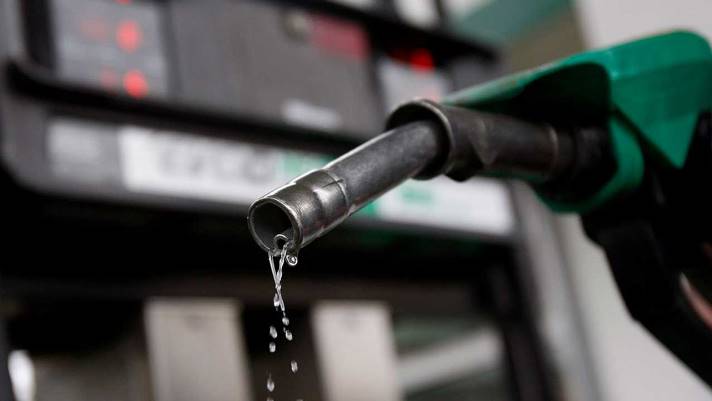
Three years after President Bola Tinubu’s inauguration announcement of a “subsidy-free” Nigeria, the long lines at gas stations—once a defining feature of the country—have largely diminished. Consumers in major cities like Lagos, Abuja, and Port Harcourt now find it easier to access petrol.
The petrol subsidy was abolished in May 2023, a move projected by the federal government to liberate an estimated annual savings of N4 trillion. For many years, these funds lined the pockets of a clandestine network of oil traders, importers, and politically connected middlemen, while everyday Nigerians endured lengthy waits for fuel.
The subsidy had long been deemed unsustainable and inequitable, disproportionately benefiting affluent citizens who owned multiple vehicles or generators. This situation perpetuated Nigeria’s paradox as an oil-rich nation that regularly faced fuel shortages.
Recent developments, including an upgrade of Nigeria’s sovereign credit outlook by S&P Global Ratings, further bolster optimism. This adjustment underscores ongoing economic reforms, enhanced policy credibility, and signs of stability in the foreign exchange market. Such ratings are crucial, as they shape how global investors assess risk, influence borrowing costs, and frame a country’s economic trajectory.
However, skepticism remains among ordinary Nigerians. For the 36 state governors, the removal of the subsidy signals the beginning of potential financial gains, enabling promised infrastructure projects and improved public services, effectively bolstering state financial health.
According to Ayokunle Olubunmi, Head of Financial Institutions Ratings at Agust & Co., the revocation of subsidies, coupled with the naira’s liberalization, substantially increased federal allocations through the Federal Accounts Allocation Commission (FAAC). However, discrepancies persist between rising revenues and tangible development across states.
Surge in Fiscal Allocations Raises Concerns
Data from FAAC and Agora Policy indicates that government disbursements surged to 28.78 trillion naira in 2024, reflecting a dramatic 79% increase from the previous year’s 16.28 trillion naira and more than doubling the 12.36 trillion naira disbursed in 2022. In 2024 alone, state governments received 5.186 trillion naira, with projections indicating an increase to 7.315 trillion naira by 2025. Including the mandatory 13% financial derivative income, total state inflows are expected to reach N8.934 trillion in 2025.
One state finance commissioner emphasized this transformative fiscal modification, stating it could be the most significant reform in three decades, as funds previously allocated to fuel importers are now benefiting state governments directly. Nevertheless, scrutiny of how these funds are utilized reveals a concerning trend towards patronage rather than genuine social investment.
Disconnect Between Revenue and Infrastructure Development
An independent watchdog monitoring public expenditure has uncovered a troubling gap between the resources allocated to states and the visible improvements in infrastructure. Roads remain in disrepair. Public hospitals are lacking in staff and medical supplies, and many schools are deprived of basic amenities like electricity, furniture, and qualified teachers.
As of mid-2025, only 10 out of Nigeria’s 36 state governors were paying civil servants a minimum wage of 70,000 naira per month. Furthermore, these states collectively increased their domestic debt by 417.7 billion naira between early 2024 and early 2025, even in the face of record revenue inflows.
According to the 2025 State Report by BudgIT, not a single state allocated more than 10,000 naira per capita for healthcare in 2024. While the state’s health budget totaled 1.32 trillion naira, only 816.64 billion naira was actually dispersed, resulting in a budget execution rate of just 61.9 percent.
Muhammadu Sanusi, the former governor of the Central Bank of Nigeria and 16th Emir of Kano, has criticized the government’s reliance on borrowing despite the anticipated revenue increase from the subsidy removal. He questions the rationale behind sustaining debt levels when the government should now possess more financial room.
Economic Reality on the Ground
Even without queues at gas stations, the situation for consumers remains challenging. While fuel was sold at 184 naira per liter just before subsidy removal, prices surged to over 1,300 naira per liter in May 2026, a trend that has persisted. This situation, driven by a weak naira and fluctuations in crude oil prices, has elevated transportation fares and impacted food prices, with market vendors reporting tight profit margins.
The National Bureau of Statistics has highlighted that food inflation exceeded 40% for much of 2024, echoing the day-to-day struggles faced by Nigerians—despite ongoing disputes over measurement methodologies. As one textile trader succinctly put it, “There are no longer fights to get petrol, but what is the use of having fuel if you can’t afford it?”
