


By Nicole Chavez and Karina Tsui, CNN
(CNN) — A troubling pattern has emerged in recent weeks as federal immigration agents have been involved in the fatal shootings of a Mexican immigrant in Texas and a young Colombian father in Maine, occurring just days apart. These incidents serve as grim reminders of previous encounters between Immigration and Customs Enforcement (ICE) agents and individuals during immigration operations.
This month marks a significant escalation in violence, with the deaths of Lorenzo Salgado Araujo and João Sebastian Guerrero bringing the total number of fatalities linked to federal immigration enforcement to four this year. This uptick is exacerbated by President Donald Trump’s aggressive deportation strategy, contributing to heightened arrests, deportations, and tragic confrontations that culminate in loss of life.
Details about these recent cases remain sparse as investigations are ongoing. However, significant parallels can be drawn with earlier incidents involving Renee Good and Alex Preti, who were also killed during immigration raids in Minnesota’s Twin Cities earlier this year.
Lenny Good
On January 7, 2026, Lenny Good, a 37-year-old U.S. citizen and mother of three, was shot by ICE agents in Minneapolis. Good was participating in a protest against a surge in immigration operations known as Operation Metro Surge. Her vehicle was stationary for a brief period, blocking traffic on a snowy residential street. As she attempted to move her SUV forward, an ICE officer, standing in front, discharged at least three shots into her vehicle, tragically resulting in her death.
Alex Preti
On January 24, 2026, Alex Preti, a 37-year-old ICU nurse dedicated to serving veterans, was also fatally shot by federal immigration agents. Footage from the incident reveals Preti attempting to assist a woman who had been forcibly handled by an immigration officer. In the confrontation that ensued, Preti himself was overpowered, and at least two agents subsequently opened fire. Notably, video evidence captured a federal agent removing a firearm from Preti’s waistband moments before the shooting.
Lorenzo Salgado Araujo
Lorenzo Salgado Araujo, a 52-year-old Mexican immigrant, was shot and killed on July 7, 2026, in Houston during a traffic stop. ICE agents claimed they were conducting a targeted enforcement operation aimed at apprehending undocumented individuals. According to the agency, Salgado Araujo allegedly attempted to evade arrest by ramming an ICE vehicle and ignoring commands from officers. They assert that the officer discharged his weapon in self-defense. However, eyewitness accounts from passengers in the van contradict this narrative, asserting that there was no attempt to ram the officers. The video evidence from the incident remains undisclosed.
Joan Sebastian Guerrero
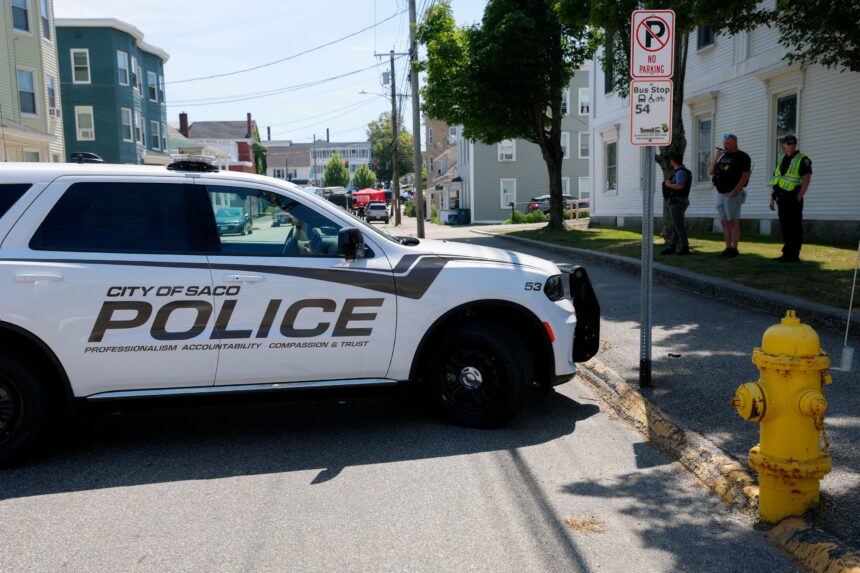
Joan Sebastian Guerrero, a 26-year-old husband and father from Colombia, was shot on July 13, 2026, during a police traffic stop in Biddeford, Maine. The Department of Homeland Security reported that agents opened fire due to concerns for public safety as Guerrero appeared to attempt to flee. Significant questions remain unanswered about the basis for their assessment that Guerrero posed a public threat. According to Senator Angus King’s office, Guerrero was not the intended target of the operation. The Maine Immigrant Rights Coalition revealed that he had authorization to work in the United States and possessed a Social Security number.
Escalating incidents and scrutiny of immigration enforcement
The recent surge in violence linked to federal immigration agents reflects ongoing concerns about their methods and the impact of aggressive enforcement policies. Historical incidents such as the fatal shootings of two individuals during a traffic stop in Portland, Oregon, in January 2026, raise alarms about accountability and transparency within immigration operations. Additionally, cases like the shooting of Julio Cesar Sosa-Celiz during a chase by an ICE agent highlight the complexities surrounding these encounters and the often conflicting narratives that emerge.
As investigations progress into these tragic events, advocates and lawmakers alike are calling for a reevaluation of immigration practices and policies. The need for greater accountability within federal enforcement agencies becomes increasingly evident as the repercussions of these actions continue to affect families and communities across the United States.
