


Senate Advances $70 Billion Immigration Funding Bill
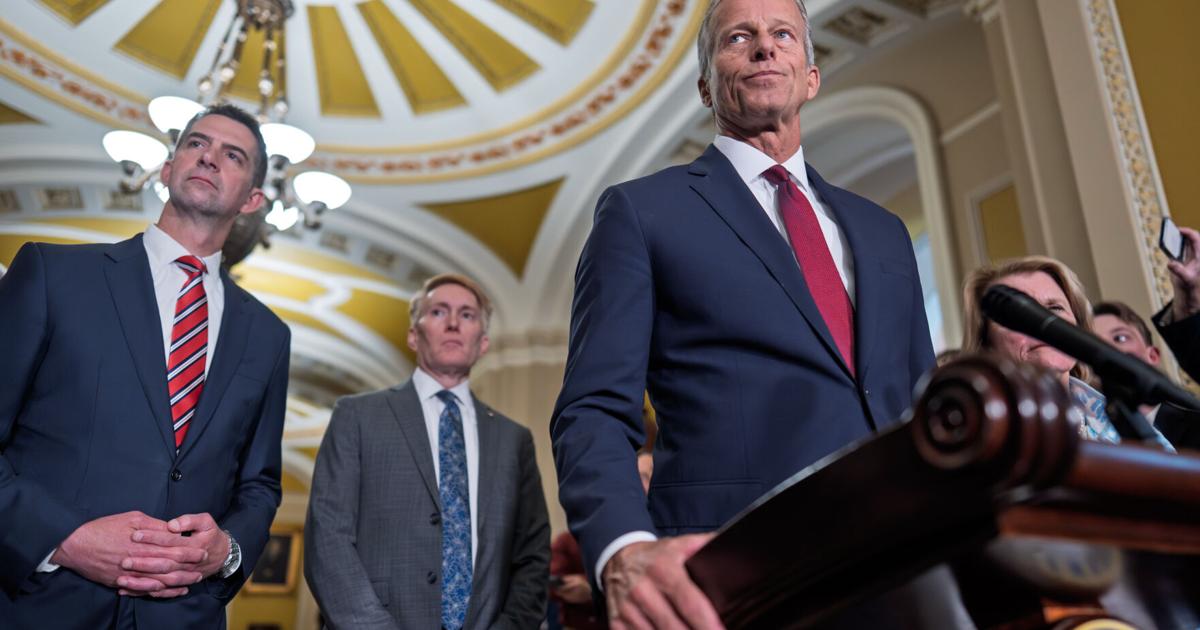
The Senate voted 53-46 on Wednesday to initiate discussions on a substantial immigration funding package totaling nearly $70 billion. After several weeks of delays, Republican senators have successfully navigated obstacles put forth by President Donald Trump and the White House, paving the way for swift approval of the legislation.
Details of the Proposed Bill
This funding bill seeks to bolster resources for the U.S. Immigration and Customs Enforcement (ICE) and Border Patrol. As immigration remains a contentious political issue, the swift legislative action underscores the urgency felt by lawmakers to address border security and immigration challenges. Sources indicate that the bill will be essential in modifying operational capacities at federal immigration agencies.
Republican Strategy and Challenges
Republican senators faced significant hurdles in rallying support, especially with opposition from certain factions within their own party. The President had raised concerns regarding various provisions, leading to a temporary stall. However, party leadership has rallied behind the initiative, emphasizing its importance for national security and law enforcement.
Budget Allocation and Impact
The proposed budget allocation is designed to enhance the capabilities of border security while also addressing procedural inefficiencies within immigration enforcement. Furthermore, the funding aims to improve technology and infrastructure at key locations, thereby enabling more effective border management amidst heightened scrutiny and ongoing debates about immigration policy.
Bipartisan Backing and Concerns
While the bill has garnered significant Republican support, it also faces skepticism from some Democrats who remain concerned about the implications for civil rights and the treatment of immigrants. Discussions among lawmakers will likely pivot around balancing security needs with humanitarian considerations as debates unfold.
Next Steps for the Legislation
Following the Senate’s initial approval, further discussions and amendments are expected as the legislation proceeds. Key senators from both parties will play crucial roles in shaping the final version of the bill, which will ultimately aim to secure enough votes to pass through both the Senate and the House of Representatives.
Potential Economic Implications
The financial significance of this immigration funding bill extends beyond immediate border security. An increase in border efficiency could have downstream economic benefits, enhancing trade and improving the workforce’s flow. Stakeholders in various sectors are keenly watching how these developments will unfold, particularly as they may influence broader economic policy and labor dynamics.
