


Impact of Immigration Policy Changes on Massachusetts Workforce
Since President Donald Trump took office approximately 18 months ago, the reversal of longstanding immigration policies has paved the way for a wave of deportations. According to the Boston Indicators report titled “An Uncertain Future: How Immigration Crackdowns Threaten Massachusetts’ Workforce,” immigration to the state has markedly slowed, with estimates suggesting that net overseas migration dropped by over 50% during the initial six months of Trump’s second term.
Consequences of Immigration Crackdown on Key Industries
Despite its growing dependence on immigrant labor to sustain its workforce, Massachusetts is witnessing significant repercussions from the federal government’s efforts to enforce stricter immigration controls on individuals residing in the country legally. Luc Schuster, the executive director of Boston Indicators, emphasized that the state’s unique vulnerability stems from its reliance on foreign-born individuals across both high- and low-skilled sectors.
Haitian Workforce’s Crucial Role in Healthcare
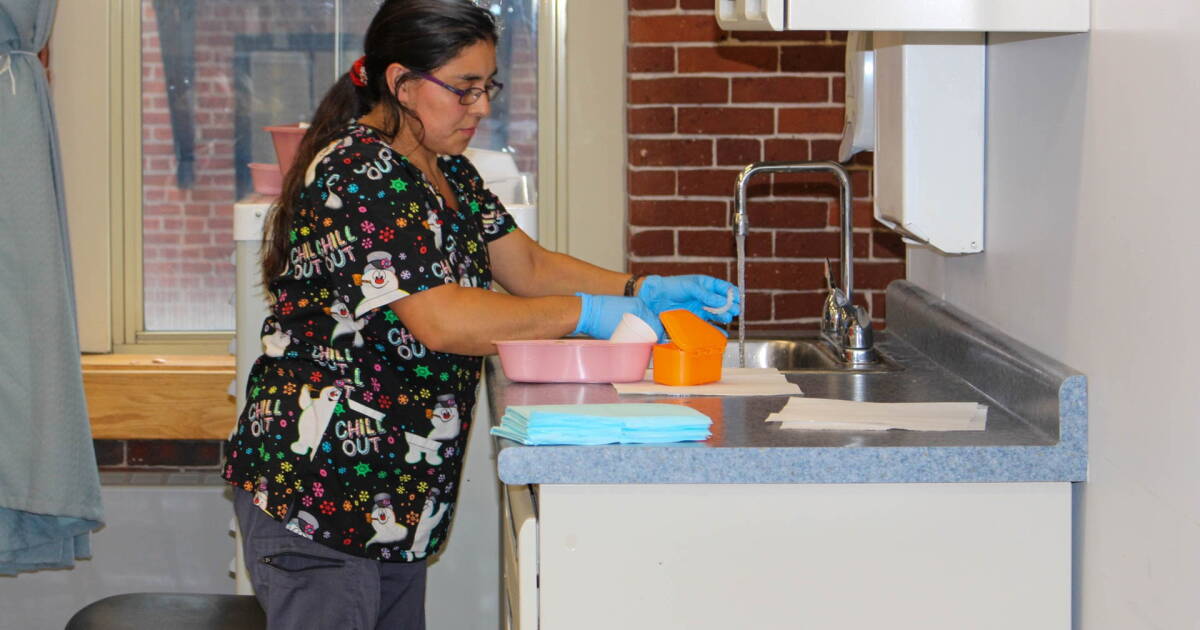
Immigrants, particularly those from Haiti, play a vital role within the nursing home and assisted living sectors, highlighting the potential long-term impacts on healthcare if the trends continue. Schuster pointed out that immigration is vital not only for sustaining these critical services but also for fostering innovation and revitalizing higher education institutions. In a recent interview, he noted that the federal government’s actions have been detrimental to both sectors by restricting the flow of much-needed workers.
Wider Implications of Immigration Policy on Legal Pathways
The report, co-published with the MassINC Policy Center, also delves into broader implications stemming from the Trump administration’s slashes to legal immigration pathways, including student visas. New policies have introduced fees exceeding $100,000 for H-1B applicants and ended temporary protected status for Haitians and other groups, creating significant uncertainty for many workers.
Health Sector Risks Related to Temporary Protected Status
Temporary Protected Status holders, especially Haitians, represent a prominent risk to the state’s workforce, primarily because many are employed in healthcare-related fields. The Mass Senior Care Association estimates that 40% of nursing home staff are foreign-born, including around 2,000 Haitian TPS workers who are essential to frontline operations.
Effects on Academia and Research Funding
Students and researchers are also feeling the impact of shifting visa regulations and increased fees, along with cuts to federal research grants. According to the report, 42% of Massachusetts scientists indicated that their lab researchers have been relocated to other countries within the past year as a direct consequence of these policies. Moreover, enrollment declines among international students at various state universities could result in a staggering loss of $1.4 billion in economic activity if current trends persist.
Long-term Workforce Challenges in Massachusetts
Massachusetts is grappling with several demographic challenges, including the second-lowest birth rate in the nation and an influx of longtime residents moving to other states due to high living costs. With many baby boomers exiting the workforce, an estimated 60,000 new immigrants will be required each year to maintain the state’s workforce size. Looking ahead, children of existing immigrants in Massachusetts will emerge as a crucial source of new workers, with at least one-third expected to originate from the state’s gateway cities.
