


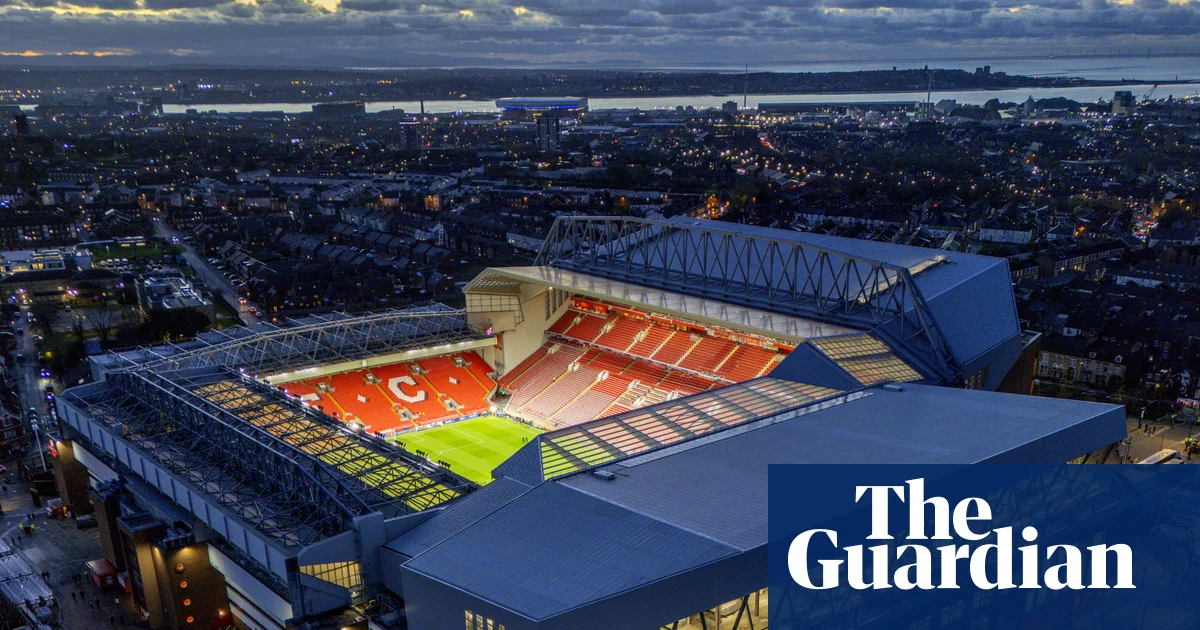
Consortium in Talks for Liverpool Stake
A consortium led by Amit Bhatia, the former co-owner of Queens Park Rangers and son-in-law of Indian steel magnate Lakshmi Mittal, has initiated discussions with Liverpool’s current owner, Fenway Sports Group (FSG), to acquire a significant stake in the club. While specific details about the stake size or investment amount remain undisclosed, preliminary reports suggest an offer of £1.35 billion for approximately 30% ownership. These discussions began three months ago, although FSG emphasizes that they are still in the exploratory stages.
Valuation of Liverpool in Context
The reported offer places Liverpool’s overall valuation at about £4.5 billion. In comparison, Manchester United was valued slightly lower when Sir Jim Ratcliffe acquired his initial 25% stake for a total of £1.75 billion in February 2024, eventually increasing to 27.7%. Forbes currently values Manchester United at $7.2 billion (£5.38 billion). Meanwhile, Real Madrid tops the list of the most valuable clubs globally at $9.5 billion, followed closely by Barcelona with a valuation of $7.5 billion. Todd Boley and Clearlake Capital’s acquisition of Chelsea for £4.25 billion in May 2022 came amid a distressed asset sale following sanctions against Russian oligarch Roman Abramovich.
FSG’s Motivations for Selling a Minority Stake
Selling 30% of Liverpool for £1.35 billion would represent a lucrative return for FSG, which purchased the club for £300 million in 2010, witnessing its valuation significantly increase since then. Principal owner John W. Henry, who also has a background in venture capital, aims to ensure Liverpool remains competitive against an increasingly elite roster of clubs backed by oil-rich investors. In light of these dynamics, FSG is actively seeking new investment avenues, although current discussions are not indicative of an exit strategy. Instead, they are viewed as an opportunity for FSG to attract substantial funding while retaining overall control. The company has paused its plans to acquire a second club, contributing to the recent resignation of Michael Edwards from his role as FSG Football Chief Executive. Last summer, FSG financed Liverpool’s largest-ever transfer expenditure, totaling around £450 million, underscoring the need for additional capital to sustain and enhance the club’s performance, which yielded a modest £8 million profit when they clinched the Premier League title under Arne Slott in 2024-25.
Historical Parallels in Investment Activity
This is not the first time FSG has explored investment opportunities. In March 2021, the group sold a 10% stake to Redbird Capital Partners for £543 million. The following year, FSG engaged investment banks Goldman Sachs and Morgan Stanley to facilitate the sale of another 10% stake, though no agreement was reached. Henry later clarified that FSG was open to new investments but had no aspirations to sell the club outright. In 2023, FSG reportedly sold a 4% stake to American investment firm Dynasty Equity for £164 million, primarily to mitigate pandemic-induced debt.
Profile of Potential Investors
Bhatia, who recently concluded an 18-year tenure as co-owner and director of QPR, appears to have garnered financial backing from the Mittal family, whose wealth is estimated at £23 billion. However, this pales in comparison to another potential investor: Amazon founder Jeff Bezos, who ranks as the fourth richest individual globally and possesses a staggering $250 billion in assets. Bezos has been approached to join the consortium but remains undecided about investing in a Premier League club for the first time. Although no longer Amazon’s CEO, he continues to helm a company that has broadened its scope beyond retail into entertainment and sports rights, including Premier League match broadcasting.
Implications for Liverpool’s Financial Future
Even without Bezos’s involvement, the consortium’s proposal could significantly bolster Liverpool’s financial standing as the club embarks on a new chapter under manager Andoni Iraola. It remains uncertain how much influence Bhatia and his partners will exert on Liverpool’s football operations. With FSG chairman Mike Gordon stepping back into a central role following Edwards’ exit, it seems improbable that FSG would cede full control of football decisions to minority shareholders, particularly against the backdrop of Manchester United’s ownership dynamics. As negotiations are still at an early stage, they are not likely to alter Liverpool’s transfer strategies for the upcoming summer window.
Outlook for Ongoing Negotiations
The ongoing negotiations will persist until either a successful agreement is reached or discussions collapse. FSG’s intention to provide a statement about Bhatia’s bid to the Financial Times, coinciding with his departure from QPR, suggests that these talks are heading toward a positive resolution.
