


Federal Prosecutor’s Conduct Under Scrutiny in High-Profile Case
Amid increasing calls for his resignation, Assistant U.S. Attorney Todd Blanche has stepped forward to defend Chicago’s federal prosecutor, Andrew Boutros.
In Chicago, attorneys representing the Broadview Six, a group recently acquitted in a controversial case, are now seeking evidence that suggests potential interference from White House officials with the U.S. Attorney’s Office. Their allegations focus on efforts to secure indictments against Democratic activists and local officials ahead of upcoming elections.
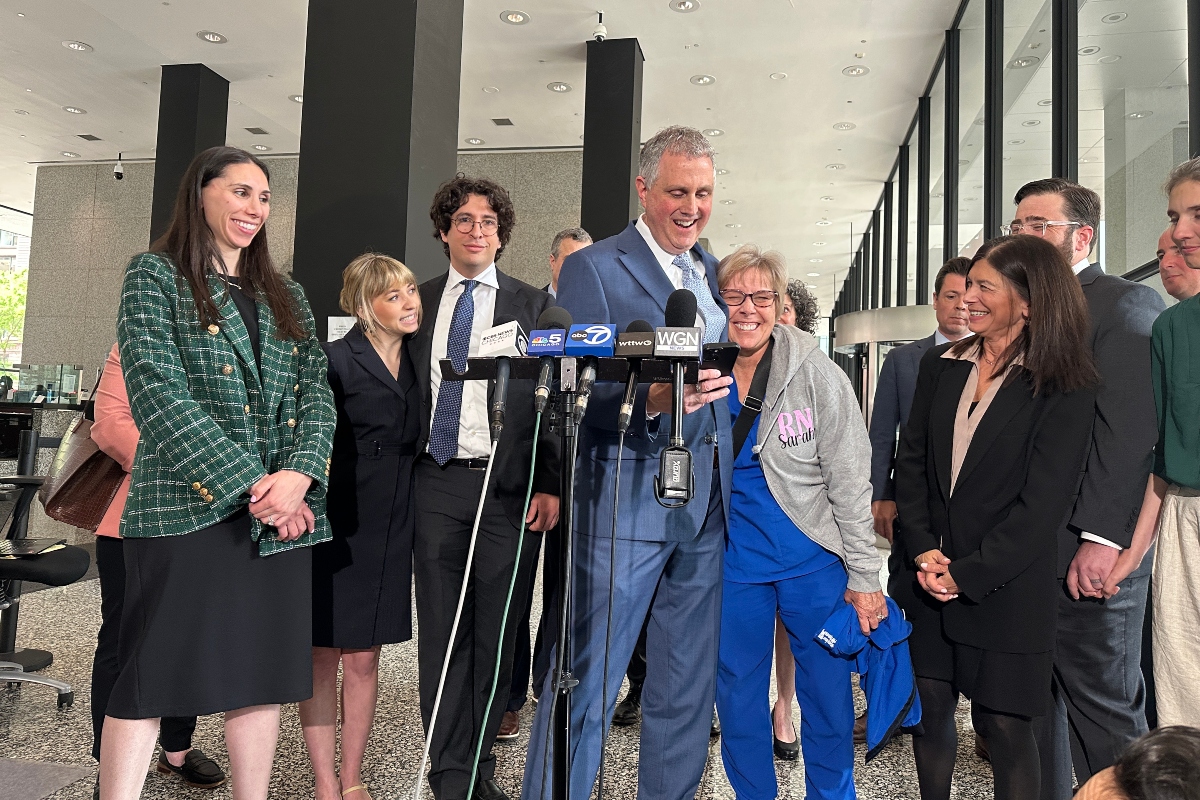
The Broadview Six were indicted last October as part of a crackdown tied to immigrant protests coinciding with the early stages of the Trump administration’s deportation initiative, dubbed Operation Midway Blitz. The trial, which was set to take place late last month, was unexpectedly terminated when prosecutorial misconduct allegations came to light, resulting in the dismissal of all charges.
In a filing submitted late Thursday, the defense team requested U.S. District Judge April Perry to authorize the discovery of communications and records that could clarify how a small group of protesters was singled out for a rare felony conspiracy charge amidst a larger crowd. They argue that evidence from the former lead assistant U.S. attorney involved should reveal a “cover-up” that led to the misconduct allegations coming to light just before the trial commenced.
The document highlights the need for thorough discovery to ensure a full examination of the alleged malice and vindictiveness behind what the defendants describe as a baseless prosecution. The defense seeks a range of communications, including emails and texts, particularly between Todd Blanche and his subordinate Aakash Singh, as well as the U.S. Attorney’s Office in Chicago.
Earlier in the proceedings, Boutros took the extraordinary step of appearing in Perry’s courtroom to withdraw charges and accept responsibility for the actions of his team. This decision has prompted numerous Illinois Democrats, including Senators Dick Durbin and Tammy Duckworth, to call for Boutros’ resignation, citing turmoil and dysfunction within his office.
In his defense, Blanche publicly expressed support for Boutros on social media, asserting that the U.S. Attorney has been dedicated to making Chicago safer since his appointment 14 months ago. He pointed out the uptick in prosecutions, including notable cases involving serious crimes, indicating a commitment to addressing issues like violent crime and drug trafficking. In response, Boutros acknowledged Blanche’s support, criticizing previous leadership for failing to uphold the integrity of the office.
The ongoing scrutiny of Boutros and his team follows an exodus of senior prosecutors within the office and raises questions about the moral implications of prosecutorial conduct. As the former defendants continue to seek accountability, their attorneys emphasize the public’s right to know the full extent of alleged prosecutorial misconduct and its origins.
In a recent statement, Chris Parente, an attorney for one of the former defendants, stressed the importance of uncovering whether the push for these charges was influenced by higher-ups at the Justice Department. The profound implications of this case highlight ongoing tensions within the federal judicial system as it grapples with the boundaries of political influence in prosecutorial decisions.
