


Resurgence of the Flesh-Eating Screwworm in the U.S.
The United States has spent over fifty years and invested hundreds of millions of dollars in efforts to keep the flesh-eating screwworm at bay. However, its return poses a significant challenge.
Impact on Livestock and Ethical Considerations
This species poses a grave threat to all warm-blooded animals, particularly livestock, often resulting in fatal consequences for cattle. The ethical debate surrounding the potential extinction of the screwworm is heating up among bioethicists. Some argue that eradicating the species could be justified due to the harm it causes.
First Infestation Detected in Over Four Decades
On Wednesday, the Department of Agriculture confirmed the discovery of the New World screwworm in a calf in Texas, marking the first natural infestation in U.S. cattle since 1982. A second case was reported shortly thereafter, highlighting a troubling resurgence and a failure to contain the species within U.S. borders.
Strategies for Control
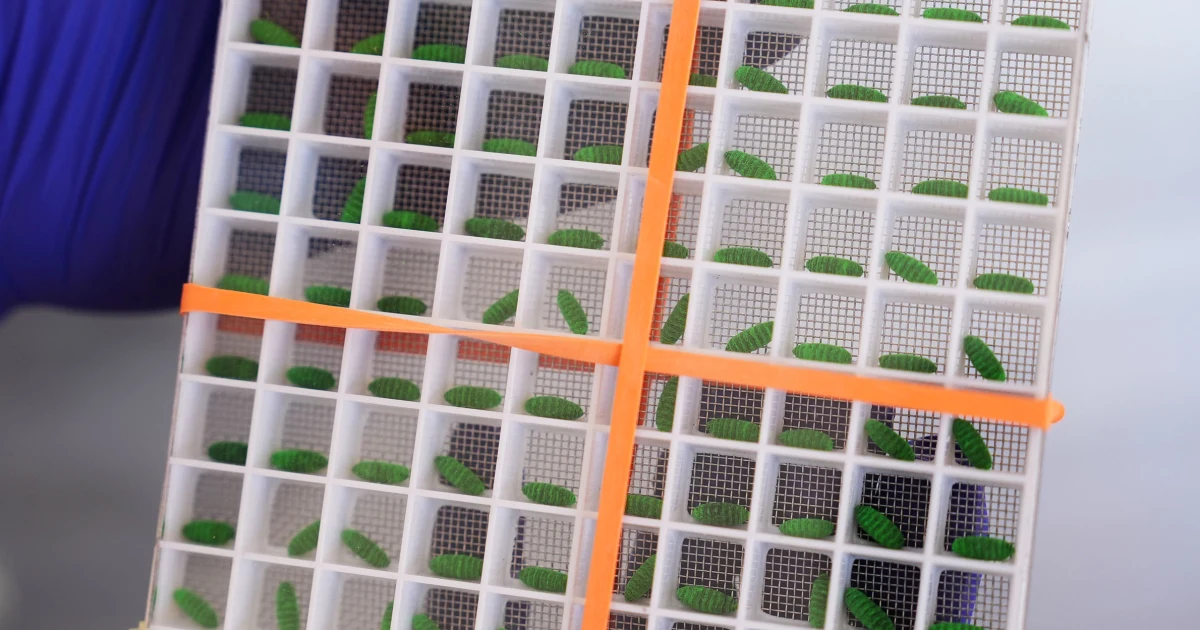
Experts indicate that the United States intends to implement strategies similar to those used in the late 1950s, which involved aggressive, coordinated efforts against screwworm populations. This approach hinges on the release of mass-produced sterile male flies to thwart reproduction.
Expert Insights on Prevention
Chad Cross, a parasitology professor at Texas Tech University, endorsed this strategy, affirming its historical success. He cautioned that the recent cases in Texas emphasize the urgency needed to prevent further spread of the infestation.
Lifecycle and Risks of the Screwworm
Surprisingly, the screwworm is classified as a type of black fly rather than a typical insect. The larvae flourish by feeding on the tissues of warm-blooded animals. If left untreated, screwworm infections can be fatal, leading to severe wounds and secondary infections from other pests.
Historical Context and Future Plans
The U.S. carried out extensive eradication efforts from the 1960s onwards, establishing a system of factories dedicated to releasing sterile flies on a massive scale. While these efforts virtually eradicated the species by 1982, the subsequent decline in investment in facilities has left the country vulnerable.
Revisiting Eradication Efforts
In 2023, the screwworm made a troubling comeback, expanding from Panama and Costa Rica into Mexico and the U.S. In response, the USDA is constructing a $750 million facility in Texas to produce approximately 300 million sterile screwworms per week, aiming to restore the effectiveness of past strategies. However, the new facility won’t be operational until late 2027, leaving a substantial risk of infestations in the meantime.
Economic Implications and Broader Debates
The potential economic fallout from infestations is significant; USDA estimates indicate Texas alone could face $1.8 billion annually in losses related to livestock deaths and veterinary care. Simultaneously, discussions among bioethicists and researchers are ongoing regarding the feasibility of eradicating the species altogether, given the suffering it inflicts on both livestock and potentially on humans.
