


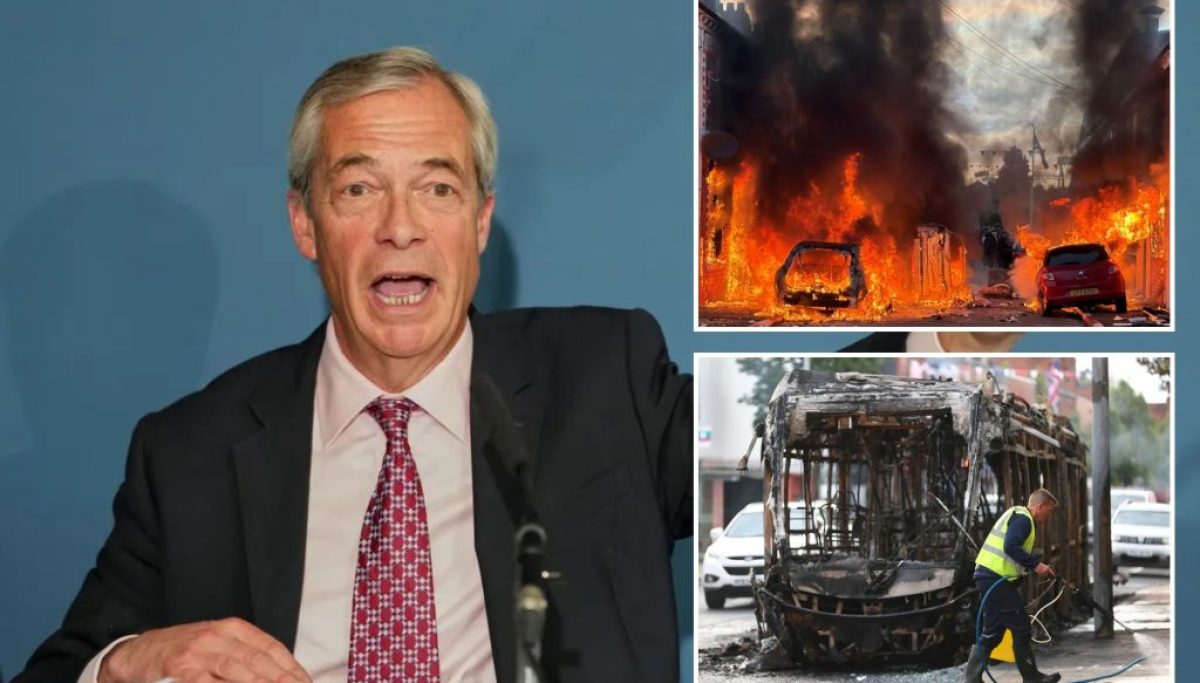
Calls for Stricter Immigration Policies Intensify Amid Belfast Violence
Nigel Farage, leader of the Reform UK Party, is spearheading a movement for tougher immigration policies following a surge of unrest in Belfast, Northern Ireland. The unrest was provoked by the attempted beheading of a local resident by a Sudanese migrant, a shocking incident that has sparked widespread outrage.
Heightened Violence in Belfast Targets Immigrants
Belfast, a city with a tumultuous history marred by sectarian violence, witnessed some of its worst clashes in years, this time directed against immigrants. Organized groups, clad in black and wearing masks, executed coordinated assaults on migrant residences, public transport, and law enforcement. This marks the third significant anti-immigrant riot in the city in just three years, with the last one occurring exactly a year prior.
Opposition Blames Government Policies for Riots
Opposition leaders contend that the riots were a predictable outcome of the Labour government’s immigration and social policies. Prominent British figures quickly condemned the violence, emphasizing the need for reform. Amid factional disputes, Reform UK is advocating for specific measures alongside broader calls for immigration restrictions in light of the recent violent incident.
Push for Visa Ban from Sudan
On Wednesday, Reform UK called for a complete ban on visas for individuals from Sudan. Farage declared that a reformist government would impose such a ban, citing the “horrific consequences” of current immigration policies endorsed by the Conservatives and Labour. He noted, “The consequences are unfolding before our eyes every day,” referring specifically to the alarming incident in Belfast.
Comprehensive Immigration Policy Reform Proposed
Zia Yusuf, the shadow home secretary for Reform UK, outlined intentions to deport all illegal immigrants and abolish the Remain Indefinite Policy. This existing framework allows migrants to live, work, and study in the UK indefinitely, while also granting them access to public benefits. Instead, the party aims to replace this policy with a five-year renewable visa system.
Calls for Transparency Following Belfast Attack
The attacks have intensified demands for transparency regarding immigration-related cases. Reform UK Deputy Leader Richard Tice emphasized the need for open communication, stating, “We have eyes. We have ears. We know what’s going on and we know when information is being suppressed.” He confronted Prime Minister Keir Starmer in Parliament, linking the unrest to ongoing issues with illegal migration.
Link Between National Security and Immigration Underlined
The implications of mass immigration on national security are coming under scrutiny, particularly after comments from Britain’s independent terrorism watchdog, Jonathan Hall. He underscored that violence associated with new immigrants poses a significant national security threat, specifically referencing the destabilizing effects of the attempted beheading in Belfast. Tice echoed this concern, asserting that only reformers can be trusted to address immigration as a pressing national security issue.
Reform UK’s Policy Agenda Gains Traction
The party’s reform proposal, notably its hardline approach to immigration, has gained popularity. Their website features a detailed policy framework focused on deportation measures, including an initiative dubbed “Operation Restore Justice.” This five-year emergency plan aims to identify and deport all illegal immigrants and renegotiate treaties that enable mass immigration.
Government’s Response to Growing Unrest
In light of the Belfast attack, the Labour government has primarily sought to promote calm and discourage the politicization of immigration. However, responses have not been without controversy. Traditional Unionist voice MP Jim Allister directly challenged Labour Secretary of State Hilary Benn regarding the cultural factors contributing to the violence, sparking heated debate amid calls for a more comprehensive approach to immigration policy.
