


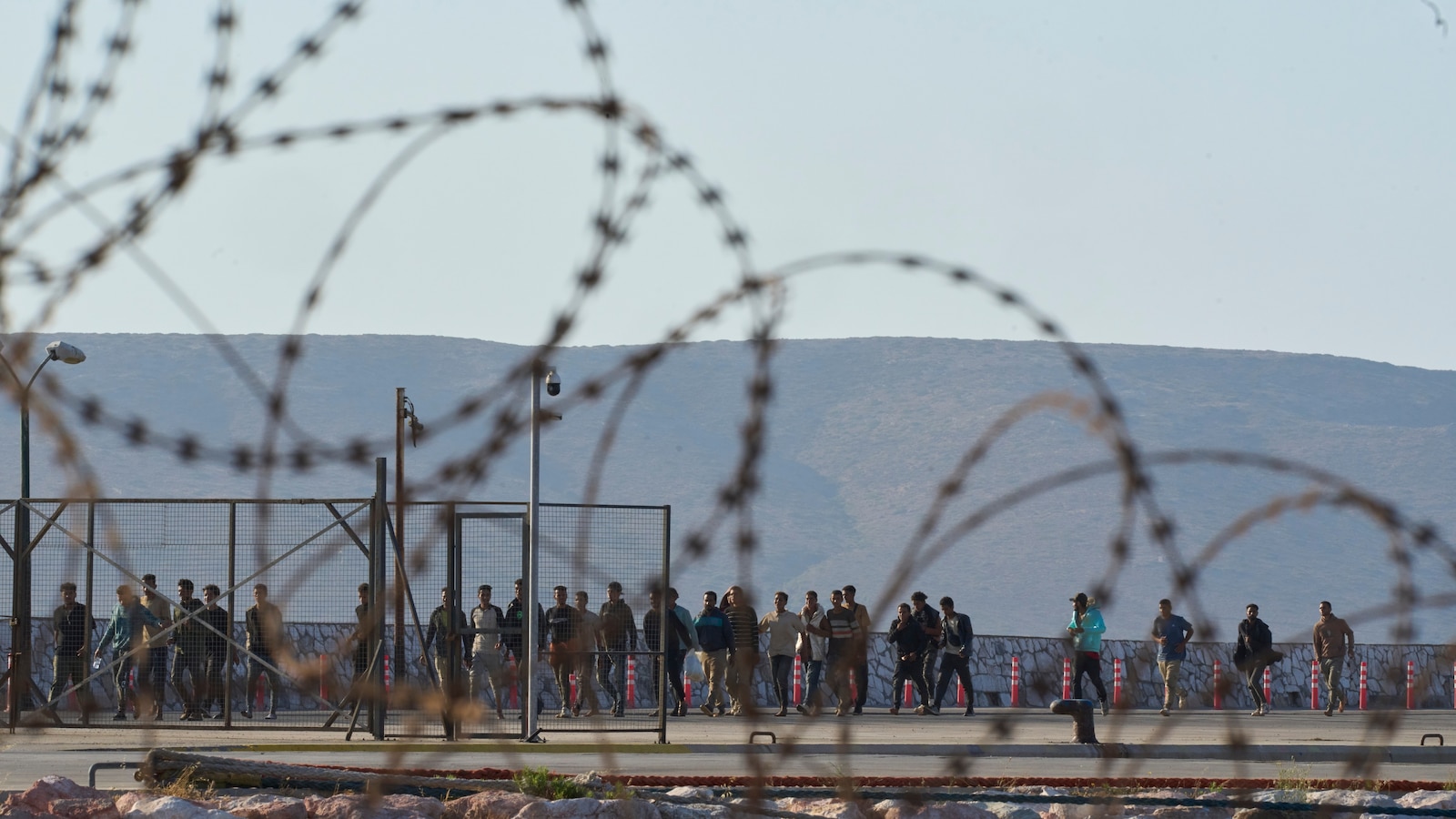
New EU Rules on Migrant and Asylum Seeker Management Take Effect
Brussels – The European Union will introduce new regulations on Friday that outline how its 27 member states will manage irregular migrants and asylum seekers. This significant shift comes as part of the European Migration and Asylum Pact, which has emerged after years of intense negotiations aimed at reforming a previous system that was largely deemed ineffective and politically contentious.
Readiness for Implementation Remains in Question
In preparation for Friday’s enforcement, EU member states have been tasked with amending their laws, training their officials, and enhancing border infrastructures. However, the European Commission has acknowledged that none of the member states are fully prepared for these changes.
Concerns from Human Rights Advocates
Human rights activists have expressed apprehension that the newly established regulations may exacerbate the challenges faced by asylum seekers seeking refuge within the EU. Critics warn that the accelerated processes introduced could compromise the rights of vulnerable individuals, making it harder for them to seek asylum.
Overview of New Border Inspection Procedures
Under the revised rules, foreign nationals will endure up to seven days of inspection at EU borders before being granted entry. Asylum seekers from countries classified as “safe” or identified as presenting a “security threat” will experience expedited asylum processing, reduced from six months to just three. Notably, some individuals may be detained at the border while their applications are adjudicated, and they will have only one chance to appeal a rejection.
Introduction of a Biometric Database
The European Commission has indicated that certain member states will be required to implement a new biometric database, named Eurodac, which will capture and maintain data on both adults and minors as young as six. This initiative is part of a broader effort to enhance border security and processing capabilities.
Challenges in Responsibility Sharing
One of the most contentious issues among EU countries has been the equitable sharing of responsibility for asylum seekers, particularly during crises. Frontline nations like Greece and Italy have long voiced concerns over the disproportionate burden of illegal immigration, as asylum applications must be made in the first EU country of entry. This has led to considerable strain on these nations, prompting many migrants to migrate northward into countries like Germany and Sweden, thus overwhelming their immigration systems.
Solidarity Mechanisms Attempt to Address Imbalances
The new agreement seeks to implement mechanisms of solidarity to ensure that border nations are not left isolated. Other EU member states will be expected to accept some asylum seekers or provide financial support as compensation. Additionally, countries can mitigate their responsibilities related to secondary migration, where migrants may relocate from one EU country to another.
Main Obstacles in Implementation
Despite the introduction of these solidarity measures, dissatisfaction remains among various member states. Poland, for instance, has suspended asylum rights starting early 2025, responding to the crisis at its border with Belarus. This move was initially intended as a temporary measure but has since been extended, reflecting ongoing tensions within the EU over migration policy. Meanwhile, Hungary’s Prime Minister Péter Magyar has vowed to continue the previous administration’s stringent policies while making necessary changes to avoid hefty fines related to asylum procedure violations.
Concerns About Rights and Integration
The implementation of the new rules is anticipated to face ongoing hurdles, with experts noting that it’s unlikely for all preparations to be completed by the enforcement date. The lack of clarity in the new policies has raised concerns that it may generate confusion for both asylum seekers and the organizations that assist them. Critics argue that the expedited processes could lead to racial profiling and unjustifiably deny asylum to individuals with valid claims, while also creating an environment ripe for increased long-term detention at EU borders. Human rights advocates maintain that the reforms risk undermining the dignity and fair treatment of asylum seekers.
As the EU navigates these complex challenges, it remains to be seen how effective these changes will be in managing migration and ensuring the fair treatment of individuals seeking asylum. Amidst the introduction of the pact, the need for comprehensive integration funding also looms large, with experts warning that neglecting this aspect could lead to further isolation and marginalization of migrant populations.
