


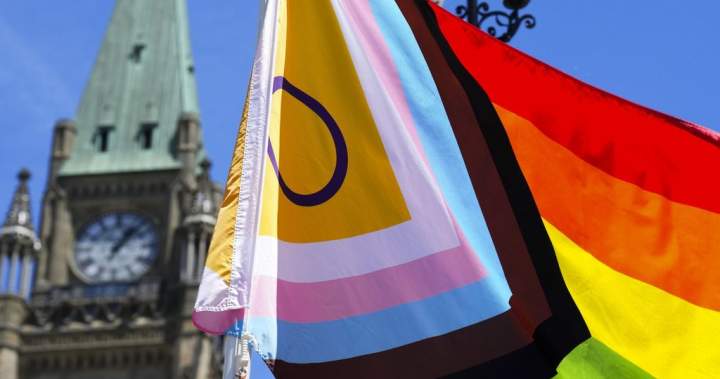
Pride Flag Raised Amid Growing Concerns for LGBTQ Refugees
This week, Prime Minister Mark Carney joined Members of Parliament from various parties to raise the Pride flag at Parliament House. However, advocacy groups focused on aiding LGBTQ refugees are voicing alarm over a new federal border law that could endanger individuals facing persecution in their home countries.
Devon Matthews, chief program officer at Rainbow Rail, expressed significant concern regarding the organization’s partnership with the government. The recent policy shifts, including a reduced quota for refugee admissions and cuts to funding for Rainbow Rail, jeopardize the mission to assist vulnerable LGBTQ individuals.
Matthews highlighted an alarming provision in the new law that mandates asylum seekers to apply for protection within one year of arriving in Canada. He noted that this timeframe disregards the complexities that often lead individuals to delay seeking asylum, saying that for many, there are critical personal factors at play.
A former Middle Eastern student currently living in Canada exemplifies the harsh implications of this law. After fearing for his safety when his pictures surfaced in his home country, he applied for asylum, only to discover that his status might be jeopardized due to the new C-12 law, which identifies him as ineligible due to his status as a long-term student.
Sharing his experience with the Canadian Press, the individual, who cannot be identified for safety reasons, explained the dire repercussions of being outed as LGBTQ in his country. “If they find out you’re an LGBTQ person, your life is essentially over,” he stated, shedding light on the severe social and economic sanctions faced by individuals revealing their sexual orientation in certain Middle Eastern societies.
He noted that he had successfully progressed to the file review stage of his asylum claim. However, after the implementation of the one-year rule, he, along with thousands of others, was informed that they could be ineligible to seek asylum due to their earlier arrival dates. The law applies retroactively, affecting individuals who arrived in Canada after June 24, 2020, complicating their claims significantly.
Immigration Minister Lena Diab has defended the new regulations, suggesting they were introduced to prevent individuals from misusing the asylum process to extend temporary stays. During a Senate committee meeting, she indicated that 37% of asylum applications made within a specified timeframe would now be considered ineligible under this new framework.
Legal experts, however, suggest that the law might disproportionately impact LGBTQ people, who may not feel safe to apply for asylum within the restricted time due to fear of discrimination. Susie Newing, representing the former student, is challenging the government’s decisions in court, arguing for the need for a more nuanced approach that considers the unique circumstances of LGBTQ applicants.
