


Supreme Court to Hear Appeals on Immigration Detention and Criminal Defendant Rights
WASHINGTON – The Supreme Court has added three significant appeals to its fall docket, including a case involving the Trump administration’s stance on the rights of green card holders detained in immigration proceedings.
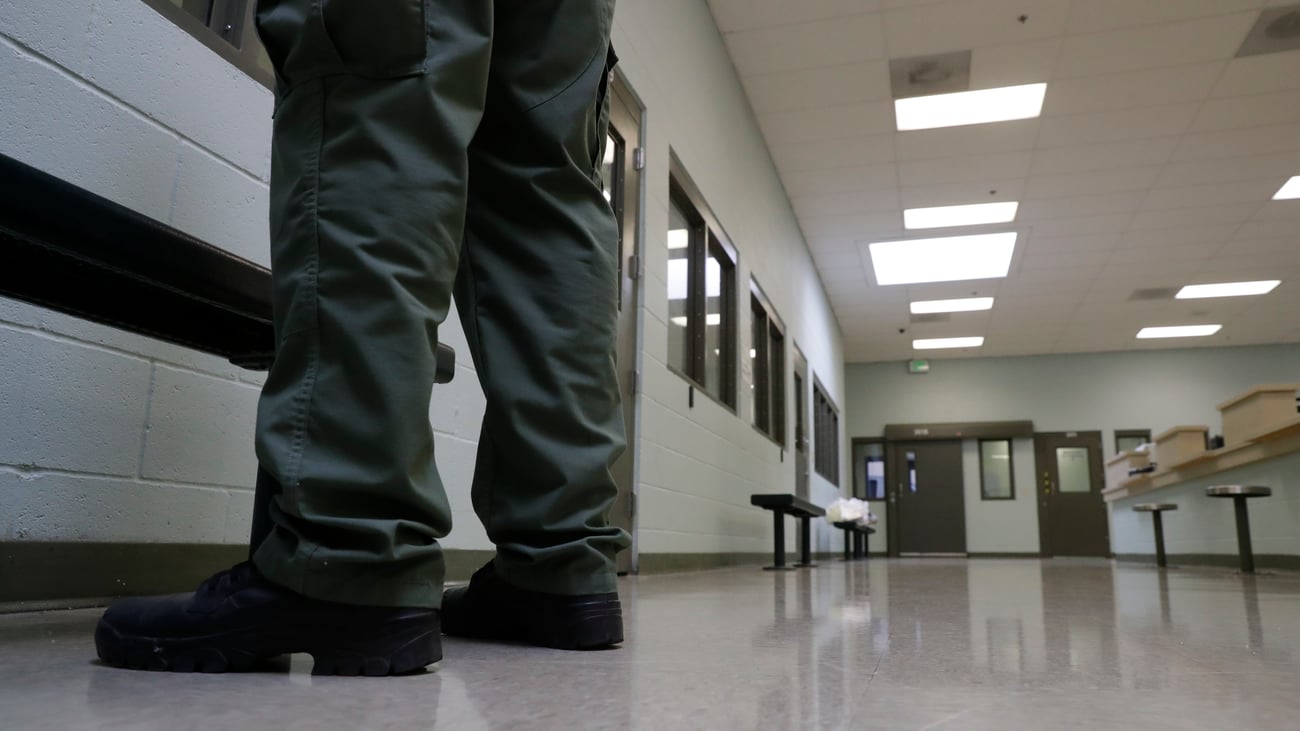
The Court will examine the cases of two legal permanent residents who have faced extensive immigration detention—one for 21 months and the other for seven months. The central question is whether these detainees are entitled to hearings to determine their release status after prolonged detention. This issue dates back to unresolved constitutional matters stemming from the 2018 ruling in Jennings v. Rodriguez, in which the government now seeks clarification from the Court.
The government argues that, although the Jennings case primarily addressed detention scenarios exceeding six months, the essential inquiry remains unchanged: at what point does detention under Section 1226(c) become “unreasonably extended” under the Due Process Clause? They contend that the Court’s involvement is necessary to clarify this constitutional issue, which has led to differing opinions among lower courts.
Both individuals, GM Casey and Carol Williams Black, have sought separate hearings to evaluate whether they pose a flight risk warranting continued detention. The government’s appeal questions whether they have a right to such hearings following what it describes as “unreasonably prolonged” detentions and what standard it must meet to justify their continued confinement.
Legal representatives for Casey and Black urge the Court to reject the government’s assertion that detention without a bail hearing does not infringe on fundamental rights. They argue that the circumstances of their clients’ cases no longer merit legal scrutiny, given that Casey was released from detention in 2022 and Black voluntarily departed the United States last year.
The lawyers further criticize the government’s proposal, stating that it is perplexing for the Court to entertain this novel legal theory, especially when the government’s interests have been characterized as mainly academic.
In addition to the immigration cases, the justices will address two other appeals regarding criminal defendants’ rights. One case, Kian v. Florida, examines whether a chiropractor, convicted of practicing with a suspended license, was denied his Sixth Amendment rights due to being tried by a six-person jury. Meanwhile, Guerrero v. Johnson will explore whether federal prisoners have the right to challenge their death sentences through habeas corpus petitions.
All three appeals are expected to be argued and decided during the upcoming Supreme Court term, commencing this fall.
