


Escalating Concerns Over Immigration Detention in South Korea
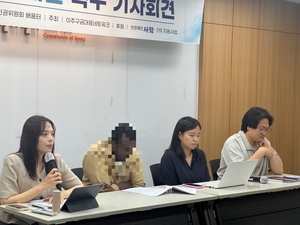
At a press conference held at the National Human Rights Commission in Seoul, a former detainee from the Hwaseong Immigration Center shared the harrowing details of his capture. He recounted how immigration officers stormed into his workplace cafeteria, interrupted meals, discarded food, handcuffed undocumented workers, and transported them via bus to a detention facility.
This testimony reflects an ongoing outcry from human rights organizations, highlighting the opaque and punitive nature of South Korea’s immigration detention system. Activists and former detainees voiced their concerns about the treatment of vulnerable populations, such as minors and asylum seekers, who continue to face prolonged confinement and inadequate conditions, despite a Constitutional Court ruling in 2023 that deemed indefinite immigration detention unconstitutional. Amendments to relevant laws in 2025 have yet to yield significant improvements.
Cameroonian detainees at the Hwaseong facility described overcrowded rooms, sleepless nights, and unsanitary conditions. One detainee remarked that prison is not a place he would recommend to anyone, citing distressing experiences including unresponsive police during emergencies and oppressive air quality that caused fainting spells among detainees. He also pointed to punitive measures like solitary confinement for those who failed to adhere strictly to the facility’s regulations.
In a setting where communication is tightly controlled, detainees reported severe restrictions on their cell phones, with access limited to less than an hour a day and camera functions disabled. Additionally, encounters with detention staff often involved intimidation tactics, such as shouting and excessive noise, further adding to the distress of those confined.
Rising Detentions Amidst Legal Reforms
Despite the reforms following the Constitutional Court’s decision, data from the Ministry of Justice indicates a troubling increase in immigration detentions. The number of individuals detained rose from 38,639 in 2023 to 39,138 in the subsequent year.
Public interest law group Doleux highlighted that although the revised legal framework introduced mechanisms aimed at preventing arbitrary detention, their implementation has been largely ineffective. Alarmingly, the acceptance rate for review requests submitted to the Commission for the Protection of Foreigners remains at a dismal 0%, one year post-establishment. Furthermore, while the committee’s rejection rate for detention extension requests slightly improved from 6.3% to 4.7%, it still raises fundamental concerns about the system.
The Ministry of Justice recently announced plans to cease detaining minors under 14 starting in 2025. However, lawyer Kim Jin from the rights organization Dru pointed out three separate cases between 2020 and 2023 where children under the age of two were detained for up to 18 days. During the event, a 17-year-old Egyptian reported being detained after several unsuccessful asylum applications. He revealed a harrowing experience, enduring threats from older detainees, and was forced to live with 25 others in severely cramped conditions.
Kim emphasized that South Korea lacks legal provisions preventing the detention of minors in immigration facilities. He stated that children inherently possess rights to nutrition and development, questioning the treatment of young detainees as a form of child abuse.
Asylum Seekers Endure Prolonged Detention
Rights advocates have also noted that asylum seekers face significant hurdles under the updated detention policies. The revised regulations permit confinement of foreign nationals for up to nine months. However, individuals applying for refugee status may find themselves detained for an average of 20 months, which corresponds with the processing timeline for their applications. This extended duration can inadvertently coerce potential refugees into abandoning their claims to secure an early release.
One asylum seeker articulated, “I’m terrified of returning to my home country, yet I cannot withstand the prospect of being detained here for 20 months,” voicing the despair felt among many. Furthermore, limited access to communication tools complicates efforts for detainees to connect with legal representatives and maneuver through the asylum screening process. Human rights groups reiterate their calls for enhanced independent scrutiny of migrant detention centers, increased access to medical and legal assistance, and an immediate cessation of child detention practices.
se*******@********rp.com
