


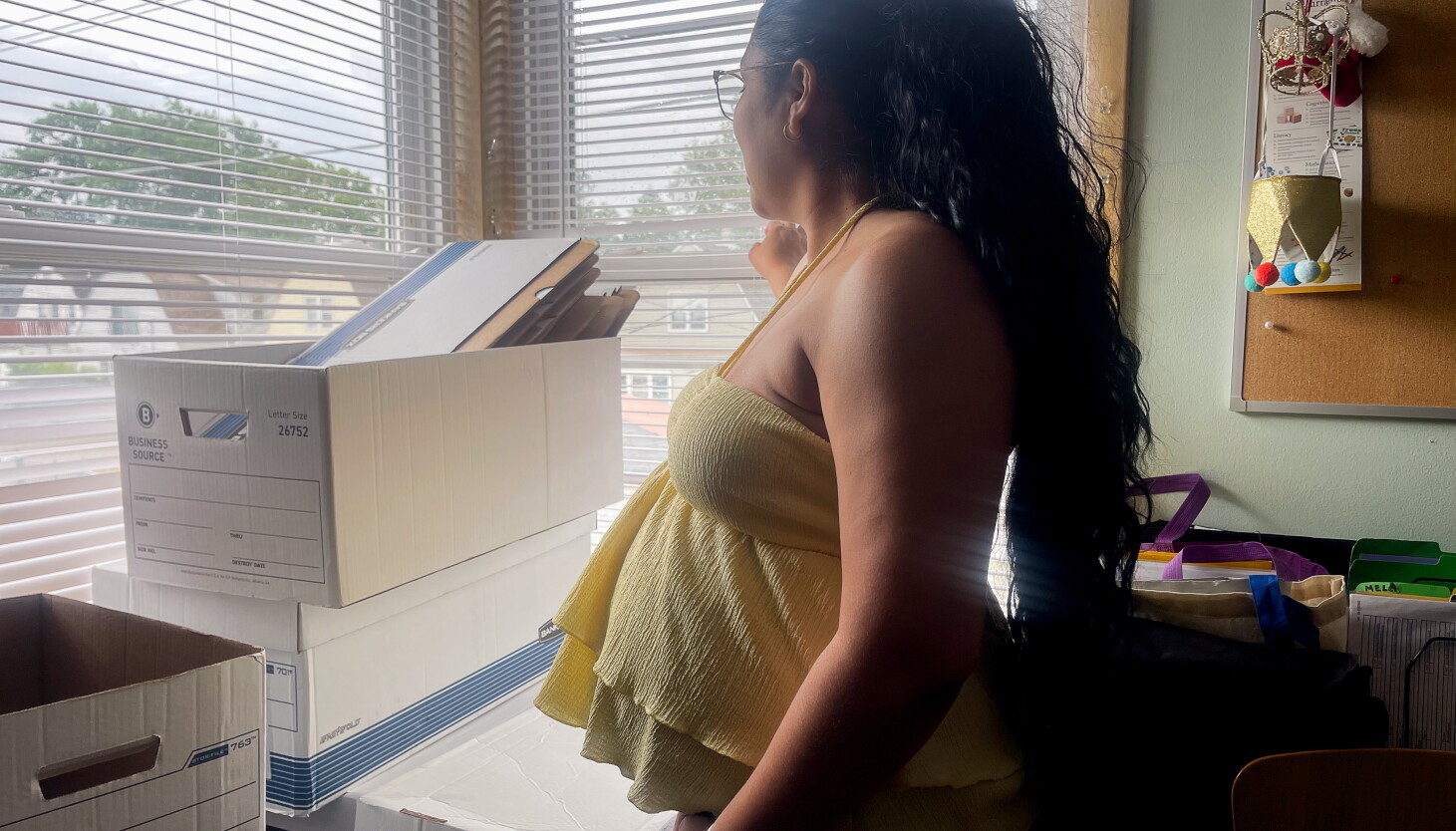
For over 150 years, the Fourteenth Amendment of the U.S. Constitution has provided citizenship to individuals born on U.S. soil, irrespective of their parents’ immigration status. However, shortly after taking office, President Donald Trump signed an executive order that would eliminate automatic citizenship for children born to parents who were in the U.S. without legal status at the time of their birth. This move has prompted families, immigrant rights advocates, and various states to file lawsuits challenging the constitutionality of the order.
A lower court has already intervened to block the executive order, and the Supreme Court is set to review the case, with a ruling expected by late June or early July. Legal observers note that while the judiciary can be unpredictable, it is anticipated that the courts will reaffirm the principle of birthright citizenship.
The case of Trump v. Barbara will address whether this executive order contravenes the Fourteenth Amendment and federal law, which establishes that anyone born in the United States is automatically a citizen. If the Supreme Court upholds the order, its ramifications could extend to immigrant children lacking legal status, asylum seekers, individuals with temporary protected status, as well as parents on student, work, or tourist visas, according to Cody Wofsy, Deputy Director of the ACLU Immigrant Rights Project.
Understanding Birthright Citizenship
Birthright citizenship is a legal doctrine granting citizenship to individuals born within a country’s borders. In the United States, this right is enshrined in the Fourteenth Amendment, which asserts that “all persons born or naturalized in the United States, and subject to the jurisdiction of the United States, are citizens of the United States.” This amendment was one of the few enacted after the Civil War to ensure full citizenship for former slaves, effectively reversing the Dred Scott decision that had denied citizenship to Black individuals born in the U.S.
Globally, automatic birthright citizenship is relatively uncommon; according to the Pew Research Center, many countries establish citizenship based on parental lineage. In various nations, parents must apply for their child’s citizenship, and approval is typically discretionary. This divergence highlights the unique standing of the U.S. in granting citizenship automatically at birth.
Potential Timeline for Changes in Illinois Following the Court Ruling
If the Supreme Court ultimately supports the executive order, the timeline for any changes will largely depend on the specific language of the ruling and how the court dictates the order’s implementation. Wofsy referenced an earlier case, Trump v. CASA, where the court permitted a 30-day delay in execution.
Timing poses an additional challenge: the executive order was intended to be applicable to births occurring 30 days after its signing on January 20, 2025, but a lower court’s intervention blocked that application. Consequently, infants born in that timeframe have already received citizenship and possibly obtained a U.S. passport. Should the Supreme Court uphold the executive order, it remains unclear how the government will classify those children or when it might take action concerning their status. Legal experts caution that revoking citizenship could lead to complex legal ramifications.
Consequences of Overturning Birthright Citizenship
A memorandum from U.S. Citizenship and Immigration Services dated July 2025 suggests the government might devise a process for certain U.S.-born children denied citizenship to receive temporary immigration status based on their parents’ circumstances. However, this does not confer citizenship to these children. The memo fails to clarify the status of children with parents lacking legal residency.
Advocacy groups and lawyers contesting the executive order warn of a troubling prospect: some infants may find themselves without the rights typically associated with U.S. citizenship—and potentially stateless. Conchita Cruz, co-executive director of the Asylum Seeker Advocacy Project, indicates that many asylum seekers hesitate to register their children in their home countries due to fears of persecution, which could result in their children being born without any nationality.
Illinois’ Response to Changes in Birth Registration
The Illinois Department of Public Health has not yet received any guidance from federal authorities regarding necessary adjustments to current procedures. Presently, hospitals in Illinois report birth information—including the child’s birth date and the parents’ full names—to the Illinois Vital Records System.
Once a birth is recorded, the newborn officially establishes legal identity via birth registration and a certified birth certificate. Federal legislation allows parents to request a Social Security number after submitting the birth certificate, with the application forwarded to the Social Security Administration for processing. If birthright citizenship were to be rescinded, modifications to this established process are anticipated, although specifics remain uncertain, as Wofsy suggests any changes would likely originate from federal adjustments.
Future Possibilities for Birthright Citizenship
If the Supreme Court maintains President Trump’s executive order, the question arises: can future presidents reinstate birthright citizenship? While future administrations could pursue the restoration of this principle, such a move would likely precipitate another legal battle. Wofsy emphasizes that the current administration is not only seeking approval of the executive order but also aiming to redefine the interpretation of the Fourteenth Amendment—a change that could have long-lasting effects beyond this presidency and its policies.
It is important to note that while future presidents may nullify executive orders, they cannot overturn Supreme Court rulings. Legislative action by Congress could also be a pathway for reinstating citizenship rights for children affected by these changes.
Resources for Families Concerned About Birthright Citizenship
Individuals with questions about the potential impacts of the birthright citizenship lawsuits are encouraged to reach out to the Illinois Immigration and Refugee Rights Coalition Family Support Network hotline at 855-HELP-MY-FAMILY (855-435-7693). The hotline is available to answer common queries, guide families on next steps, and connect them with relevant resources.
Additionally, families who believe their child may be affected can contact the ACLU via the Barbara v. Trump National Class Contact Form. This form requests contact information, communication preferences, and an explanation of the family’s concerns related to the lawsuit. Completing the form does not guarantee legal representation, nor does it establish an attorney-client relationship. The ACLU clarifies that the information on its website is not intended as legal advice.
Contributor: Adriana Cardona-Maguigad
