


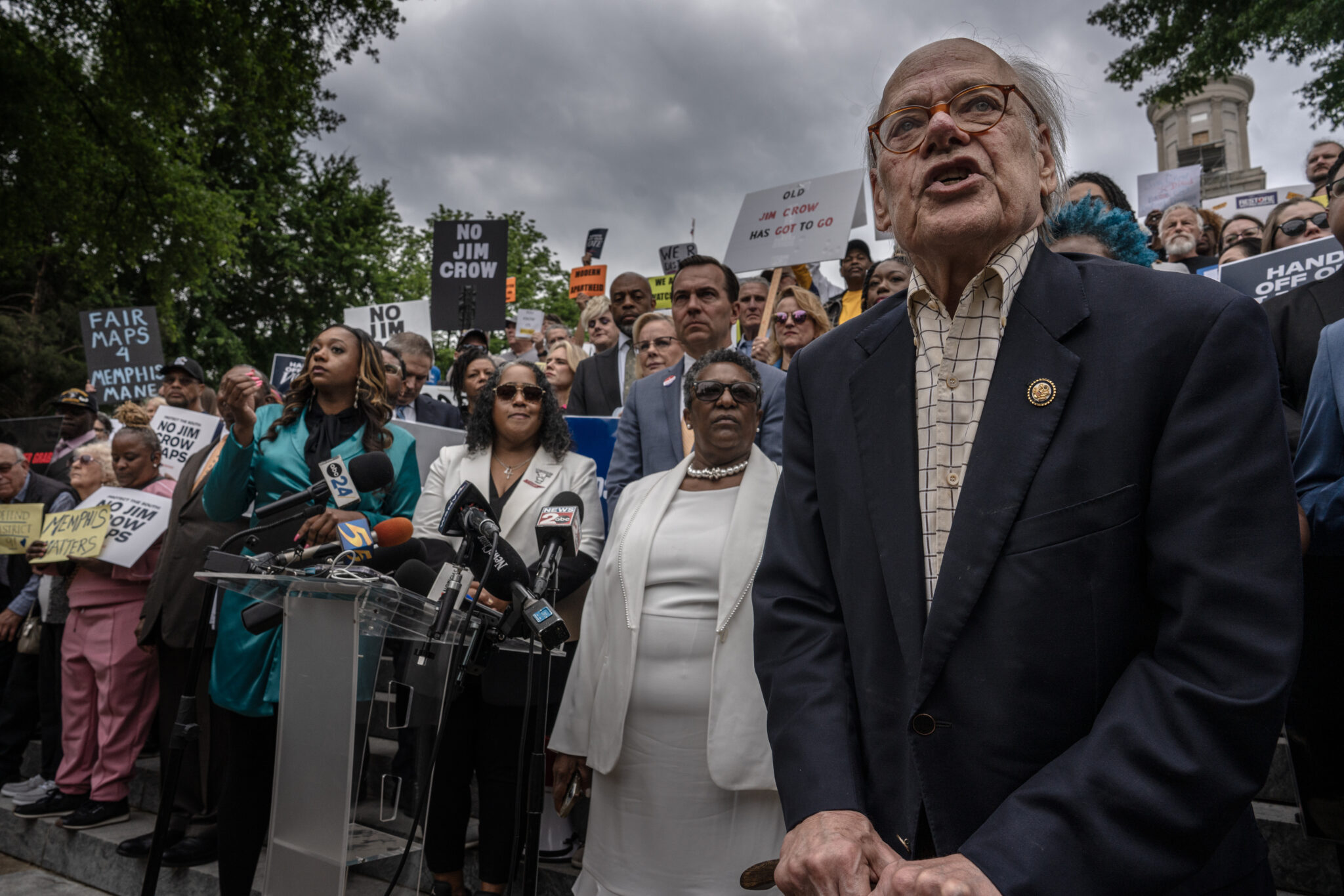
Call to Rescind Immigration Directive for Children
Tennessee State Representative Steve Cohen has urged Governor Bill Lee to retract a controversial directive that mandates state immigration enforcement to report approximately 400 sick or disabled children enrolled in public health programs. The directive has sparked significant concern among health advocates and public officials.
Cohen Criticizes the Directive
In a letter addressed to Governor Lee, Cohen characterized the directive as “morally repugnant” and “inhumane.” He implored the governor to reflect on his Christian values as he considers the implications of such policies for his legacy. Cohen, a Democrat, emphasized the moral responsibilities associated with his office, especially during the final year of Lee’s second term.
Health Warning for Immigrant Families
The Tennessee Department of Health recently notified immigrant families participating in the Children’s Special Services program that they could face referral to the state’s Office of Intensive Immigration Enforcement if they continue receiving services after June 30. This warning has created alarm among public health providers and advocates who support vulnerable populations.
Response from Health Advocates
The directive has drawn substantial opposition from various stakeholders, including public health providers, child welfare advocates, and pediatricians. The Tennessee chapter of the American Academy of Pediatrics has encouraged its members to send letters stating their opposition to the policy, reflecting widespread concern about the potential consequences for affected families.
Program Details and Its Impact
The Children’s Special Services Program supports low-income children, from birth to age 21, who are uninsured or underinsured and suffer from disabilities or disabling medical conditions. This long-standing initiative, funded by state and federal dollars, has been providing essential care to children, regardless of their immigration status, since the 1930s. In 2024, over 4,600 children in Tennessee benefited from this crucial program, based on the latest data.
Legal and Ethical Questions Raised
Cohen’s letter raised important questions about the legal foundation of the directive. He noted that the law cited by the Department of Health pertains only to individuals 18 and older, challenging the appropriateness of targeting children under 17. The law was enacted to verify immigration status for applicants seeking public services in Tennessee, but Cohen argues that its application to younger children appears inconsistent with its original intent.
Responses from Lawmakers and Advocates
Rep. Dennis Powers, a co-sponsor of the law, responded to concerns by asserting that no child receiving life-saving medical care will be denied treatment, emphasizing that federal protections for emergency services remain intact. However, advocates counter that families of children with chronic illnesses may not be able to rely solely on emergency services for ongoing care and support.
