


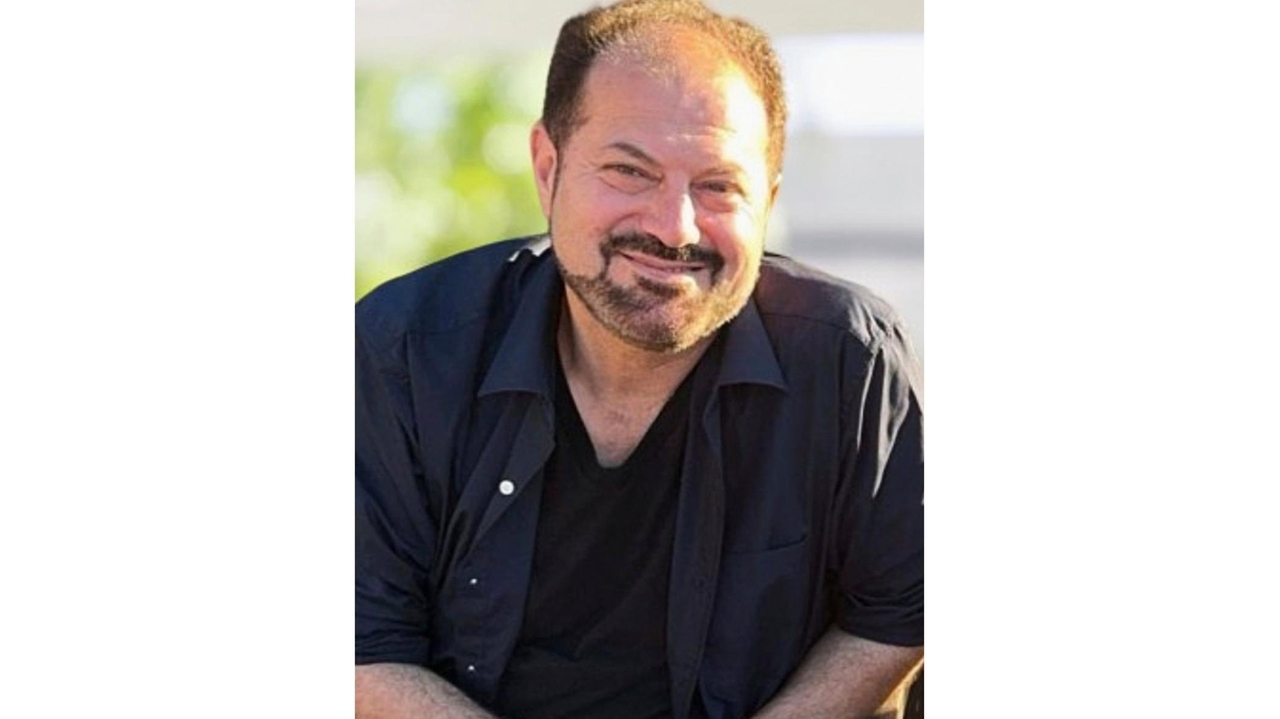
Federal Judge Orders Release of Wisconsin Mosque Leader
A federal judge has determined that Salah Sarsour presented “serious” claims of being targeted for his outspoken support of Palestinian rights. Consequently, U.S. immigration authorities have been ordered to release him from custody. Sarsour, who leads Wisconsin’s largest mosque and is a lawful permanent resident originally from Palestine, was apprehended by U.S. Immigration and Customs Enforcement (ICE) on March 30.
The government has labeled Sarsour as a foreign policy threat; however, his legal team asserts that his detention stems from his criticisms of Israel. U.S. District Judge James Patrick Hanlon noted in his ruling that ICE and the Department of Homeland Security (DHS) failed to provide sufficient evidence to counter Sarsour’s claims of retaliatory action based on his free speech. Hanlon emphasized that Sarsour’s sudden designation as a threat after more than 30 years of legal residency was not sufficiently justified.
Appointed by former President Trump in 2018, Judge Hanlon stated that raising concerns about international relations does not negate First Amendment rights. He ordered Sarsour’s release from the Indiana County Jail, allowing him to return to his home in Milwaukee while his immigration case is pending.
Sarsour was freed mere hours after the ruling. In a statement, he expressed profound relief at reuniting with his family, stating, “For 80 days, I was not able to step outside and get some fresh air.” He reflected on his ordeal as a stark reminder of the importance of advocating for the oppressed, pledging to continue his fight for Palestine and broader humanitarian issues.
During his time in detention, Sarsour, who suffers from type 2 diabetes, lost over 30 pounds. His legal representatives indicated that his blood sugar levels were monitored only once a month, putting him at serious health risk. He was released following a long period of advocacy and support from the Institute for Middle East Understanding, which had been actively involved in his case.
His lawyers expressed their profound gratitude upon his release, underscoring that Sarsour should never have faced detention. They also emphasized that the ruling serves as a cautionary indicator of the potential threats to free speech, particularly if the government is allowed to target individuals like Sarsour.
While Homeland Security officials did not respond to requests for comment immediately, a spokesperson previously labeled Sarsour a “criminal and terrorist” and claimed all ICE detainees receive adequate medical care and nutrition. However, investigations by KFF Health News and The Associated Press have uncovered numerous federal lawsuits filed by detainees alleging inadequate medical treatment across at least 33 states.
Sarsour maintains a clean criminal record in the United States. His prior convictions by an Israeli military court in 1989 and 1995 for alleged violent actions against Israeli forces are contested by him. The proceedings of Israel’s military courts are under scrutiny for their limited due process for Palestinians, although the Israeli government disputes such claims.
Judge Hanlon further pointed out that U.S. officials had been aware of Sarsour’s past charges for 25 years, reviewing his naturalization status multiple times without enforcing any action until recently. The defense for ICE and DHS contended that Sarsour’s First Amendment rights differ from those of U.S. citizens, a position rejected by the judge. He confirmed that all individuals legally present in the U.S. enjoy the constitutional rights afforded to everyone within the nation’s borders.
Moreover, Hanlon acknowledged Sarsour’s strong family connections, with his spouse, six children, and nine grandchildren being U.S. citizens, as contributing factors in favor of his release. One of his sons, Kareem Sarsour, expressed his anticipation for his father’s return, articulating the emotional toll of the detention and reaffirming his father’s commitment to being a voice for the marginalized.
