


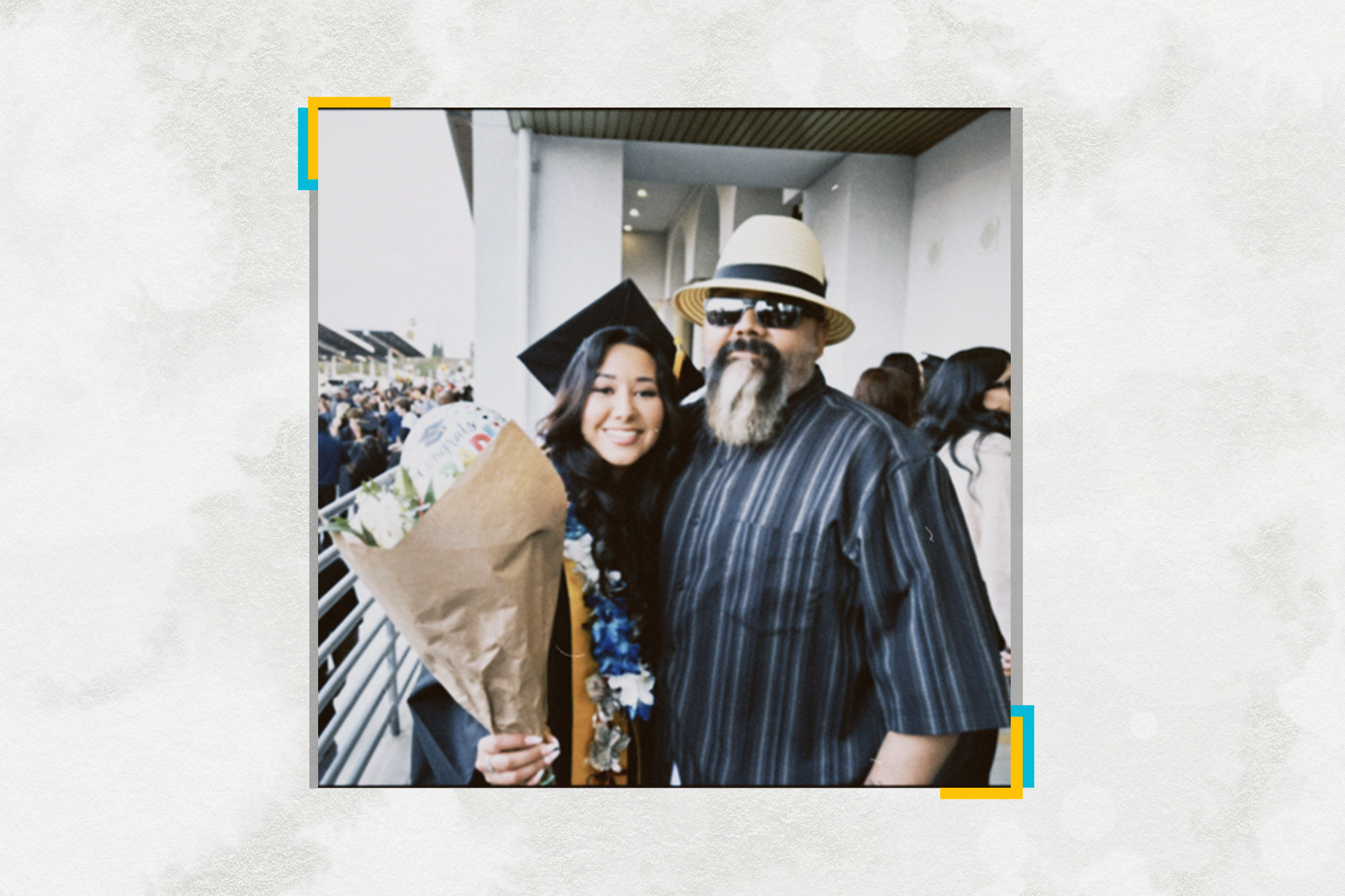
Reflections on Racial Profiling and Its Impact
More than three decades ago, my father, a 21-year-old Chicano, was out with friends on a casual trip to a 7-Eleven in Tustin, California, where he had recently relocated. The outing took a troubling turn when a police officer signaled for him to pull into the parking lot. What started as a routine stop escalated quickly, with multiple police cars arriving on the scene.
My father’s striking jet-black hair, warm caramel skin, and confident demeanor made him stand out in a predominantly fair-skinned community. He had tattoos adorning his body and was listening to Waugh’s “The World Is a Ghetto” in his lowrider. To the officers, he appeared to fit a stereotype: the uneducated cholo they presumed to be a criminal. Despite their unreasonable search of his vehicle, the officers found no incriminating evidence and ultimately allowed my father and two of his friends to leave. However, the other two individuals present were detained.
The experience continues to resonate today, especially as Border Patrol and Immigration and Customs Enforcement (ICE) patrol the country. The sense of encroachment feels familiar to many Latinos, echoing my father’s past. What he faced years ago seems to be repeated in today’s climate, where marginalized communities often feel targeted and vulnerable.
Growing up as the eldest of five, my father felt the weight of responsibility at a young age, serving as a caretaker for his siblings while his mother worked tirelessly at an electronics store and his father was incarcerated. This burden made him acutely aware of the societal boundaries that existed due to his appearance. When I asked him what parts of himself he felt were most appreciated, he reflected on his skin color, tattoos, and distinctive style, acknowledging that even as an adult, he still feels like an outsider.
Hearing my father share these experiences profoundly affected me. To him, the world often prioritized perceptions shaped by his outward appearance over his intrinsic worth. He viewed the profiling he faced as a barrier, one that threatened not only his opportunities but, by extension, my own prospects as well. I never viewed my father as a hindrance, but rather as a pillar of strength and identity, refusing to sever that vital connection despite his concerns about my safety.
Today, my father worries not just for himself, but for me. He advises me to remain vigilant, particularly in light of our shared physical resemblance. “You must always be aware of your surroundings,” he tells me. “Your darker skin makes you more vulnerable to profiling, just like I experienced.” The reality of ICE raids reinforces the urgency of his warnings, making issues of race and skin color painfully relevant for our community.
Statistics underline this daunting landscape. A 2021 survey by the Pew Research Center found that 57% of Latino adults reported that their skin color significantly impacted their daily lives, with 62% believing it hampered their ability to thrive. Legal opinions, such as Supreme Court Justice Brett Kavanaugh’s remark on race-based immigration enforcement, further commodify racial profiling, reinforcing harmful stereotypes rather than dismantling them. The Department of Homeland Security’s recent reports reflect a troubling pattern, demonstrating the alarming numbers of deportations tied to aggressive immigration policies.
As the societal narrative around our community often skews negative, it is imperative for us, as daughters and allies, to challenge and reshape this discourse. History offers hope; in 1968, the Chicano Blowout unified students who walked out of classrooms to protest discrimination. Similarly, the Brown Berets fought against inequities in the Vietnam War, and later activists rallied against anti-immigrant legislations. Each of these victories serves as a testament to the strength of collective action in the face of adversity, echoing lessons my father instilled in me: that amidst life’s uncertainties, unity and resilience can illuminate even the darkest pathways.
This piece draws from an essay created for the Zocalo Public Plaza and highlights ongoing challenges within our society rooted in issues of race and identity.
