


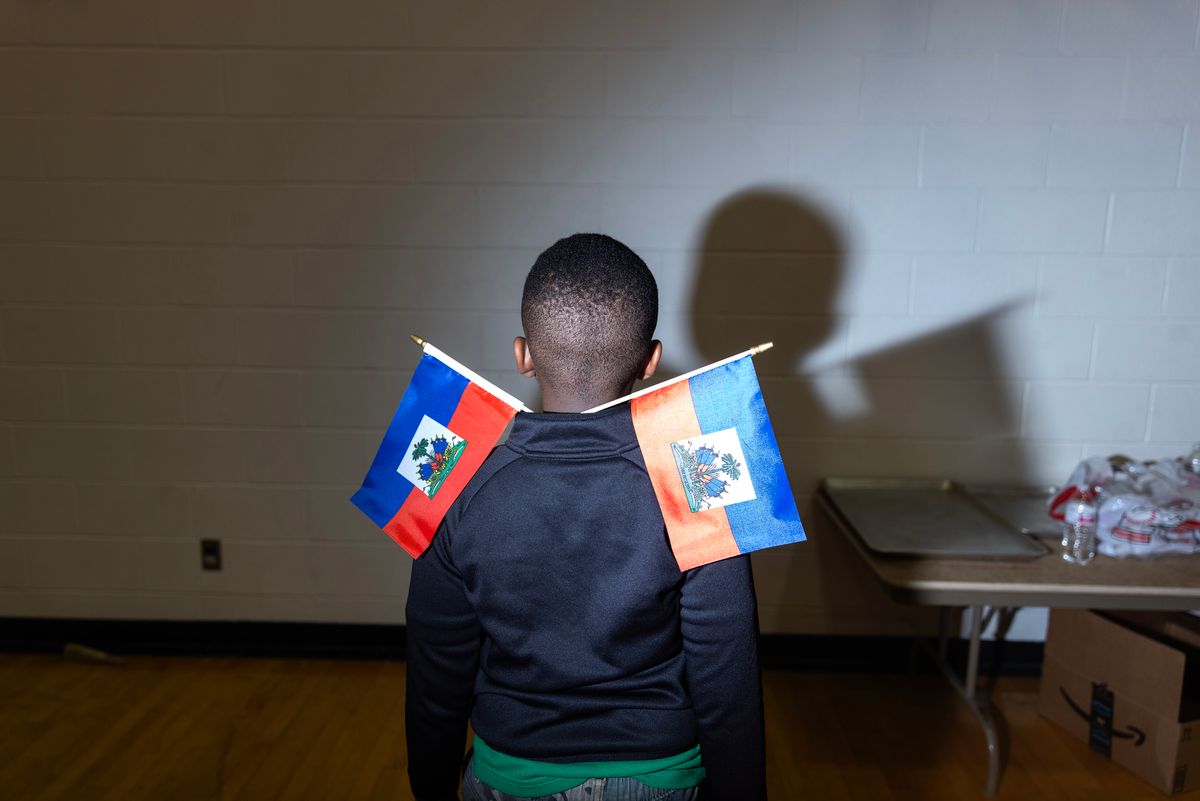
Supreme Court Decision Reshapes Immigration Protections for Haitians and Syrians
The recent Supreme Court ruling upholding the Trump administration’s ability to terminate Temporary Protected Status (TPS) for Haitian and Syrian immigrants could lead to the displacement of hundreds of thousands of individuals. In a 6-3 decision, the Court dismissed allegations that the Department of Homeland Security (DHS) acted with racial bias in its actions to revoke these protections, reinforcing the notion that the government has the discretion to discontinue programs deemed no longer necessary.
Impact on Haitian Immigrants
The termination of TPS for Haitians primarily impacts their legal ability to work, putting them at risk of detention by U.S. Immigration and Customs Enforcement (ICE) and potential deportation to a country still grappling with gang violence, political instability, and severe food shortages. As highlighted in an advisory from the U.S. Department of State, Haiti is expected to enter a national emergency in 2024, further complicating the situation for its nationals.
Responses to the Ruling
While many advocates are alarmed by the ruling’s implications, Trump administration officials welcomed it, asserting that the president’s authority to remove individuals on temporary status had always been clear. Acting Attorney General Todd Blanche emphasized through social media that TPS was intended to be a temporary solution.
Scope of the Ruling
This ruling affects around 350,000 Haitians in areas like South Florida, New York, and Boston, as well as over 6,000 Syrian immigrants who received protective status in 2012 due to their country’s civil war. The ruling sets a legal precedent that could impact an additional 1.3 million individuals from 17 countries as they seek to renew their TPS status.
Historical Context of Temporary Protected Status
Established in 1990 under President George H.W. Bush, the Temporary Protected Status program was designed to offer humanitarian relief to foreign nationals from countries devastated by war or natural disasters. Haitians were first granted TPS following the catastrophic earthquake in 2010, while Syrians became eligible two years later.
Legal and Moral Implications
The case brought forth critical questions regarding the legality of the Trump administration’s decisions. Advocates argued that the DHS failed to adequately assess conditions in Haiti before ending TPS, asserting that decisions were influenced by racial prejudice. However, Justice Alito, in the majority opinion, stated that the claims of racial bias were unfounded and that the administration’s rationale was largely policy-driven.
The Future for Affected Immigrants
There is widespread concern among Haitian immigrants about the ramifications of this decision. Many have integrated into American society over the last two decades, establishing homes and businesses. Advocates like Biles Dorsainville have articulated the fear that the government’s actions may lead to expedited deportations, leaving vulnerable individuals without legal protections. The call for legislative action to safeguard the status of Haitians and other underrepresented immigrant groups is now more urgent than ever.
