


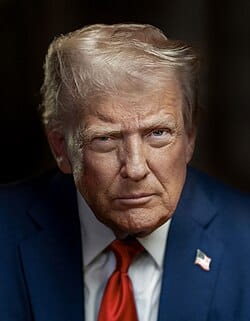
Global Implications of Trump’s Military Decisions
President Donald Trump’s leadership extends beyond the United States, influencing global affairs significantly. His administration capitalizes on America’s established military strength, scientific advancements, and institutional capabilities. However, the recent conflict with Iran, initiated on February 28, 2026, alongside Israeli Prime Minister Benjamin Netanyahu, has not only strained U.S. relations but has also raised questions about the efficacy of U.S. military strategy.
Challenges in Military Objectives
The war, anticipated to be swift, has lingered well into its fourth month, challenging Trump’s initial projections. Many experts believe that the strategic goals set for this engagement remain elusive, with expected resolutions now postponed until 2029, the year when Trump may depart the presidency. This protracted conflict has diminished the myth of American military superiority, leading to a reconsideration of U.S. interests in the Middle East.
Military Outcomes and Regional Impact
Despite assumptions about a decisive victory, progress in the war has faltered significantly. Trump’s administration has targeted over 13,000 locations in Iran, yet intelligence reports reveal that the majority of Iran’s ballistic missiles still remain intact. Moreover, Iran has shown resilience, maintaining drone capabilities that allow it to threaten U.S. allies in the Gulf. This situation illustrates the unpredictable nature of modern warfare and its ability to reshape regional dynamics counterproductive to U.S. objectives.
Economics of Warfare
While the attack on Iran’s naval capabilities initially seemed fruitful for Trump, the broader implications are concerning for the global economy. Much of Iran’s conventional naval fleet, including advanced technologies, has been neutralized, but Iran’s ability to adapt has allowed it to sustain a naval presence in crucial shipping routes. This resilience could have long-term repercussions on global energy markets and international trade.
Proxy Networks and Political Alliances
Trump’s strategy to dismantle Iran’s network of regional proxies, such as Hezbollah, has not yielded meaningful results. Instead, these groups appear to have gained strength, with enhanced military capabilities and significant regional influence. As Iranian leadership has transitioned, the political landscape has solidified, diminishing hopes for a swift regime change that Trump envisioned.
Humanitarian and Ecological Consequences
The human cost of the war is alarmingly high, with thousands of casualties reported, including innocent civilians. Environmental degradation and health-related issues in affected regions compound the devastation caused by military actions. With the toll increasing, the sustainability of such endeavors raises ethical questions about long-term U.S. engagements abroad.
Strategic Reassessment Required
The U.S.’s global standing is being reevaluated as domestic challenges emerge from the ongoing military campaign. With significant expenditures incurred and depleted military stockpiles, Trump’s defense budget proposals—reportedly the largest since World War II—indicate a dire need for reassessment of military priorities. The geopolitical landscape has shifted, and notions of American superiority face increasing scrutiny.
Negotiating New Realities
As the conflict persists, discussions surrounding sanctions on Iran are coming to the forefront. The recent peace deal brokered in Switzerland aims to ease economic restrictions, albeit under stringent conditions. With the United States negotiating from a weakened position, clarity on future dealings remains uncertain. The imperative for a diplomatic rather than militaristic approach is more pronounced than ever, especially as tensions in the Gulf continue to rise under the strain of conflict.
