


Supreme Court Affirms Restrictions on Asylum Process
In a significant ruling, the Supreme Court’s conservative majority has enabled President Donald Trump to reinstate measures that obstruct asylum seekers from entering the United States. Immigration advocates have condemned this decision, arguing it undermines the nation’s obligation to accept individuals fleeing persecution.
Key Points
The Supreme Court determined that immigrants must be physically present in the United States to initiate the asylum process. The three liberal justices dissented, emphasizing that the ruling could contravene longstanding international agreements. Immigration reform has long been stalled in Congress, although lawmakers may seek to clarify asylum laws.
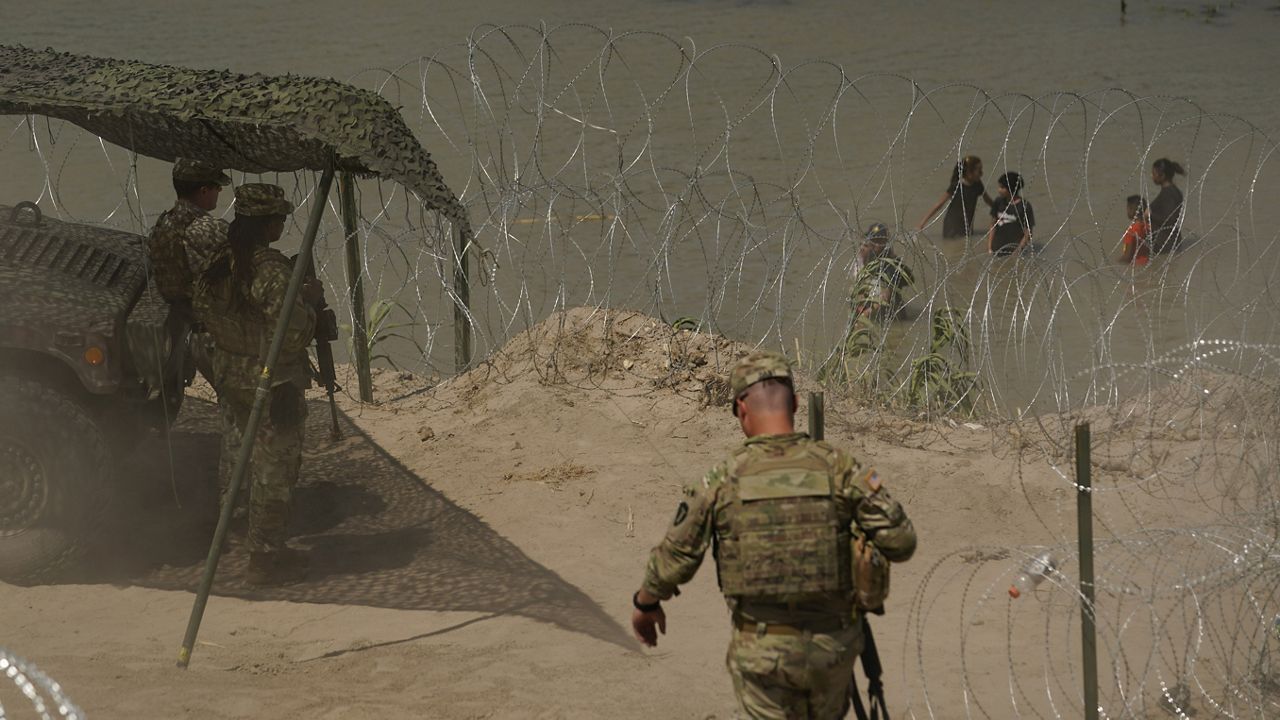
The court’s decision introduces a new hurdle for asylum seekers at the southern border, establishing that only those physically on U.S. soil can be processed for asylum. This ruling permits border officials to refuse entry to individuals seeking asylum before they actually step foot in the country.
Justice Samuel Alito, speaking on behalf of the 6-3 conservative majority, asserted that “in ordinary speech, no one would say that a person ‘arrives’ at a place, such as a house, city, or country, before entering that place.”
This landmark ruling represents a triumph for President Trump and his immigration-restrictive policies, allowing him to revive the contentious practice known as “metering.”
Gene Rice, a clinical law professor at the University of Southern California, highlighted the dire implications of this decision. He noted that individuals in desperate circumstances may find themselves stranded in precarious conditions in Mexico or risk crossing the border illegally, subsequently being apprehended by U.S. authorities and redirected to asylum processing despite the risks involved.
The three liberal justices expressed their concerns, with Justice Sonia Sotomayor notably reading a portion of her dissent aloud. She criticized the ruling for allowing the executive branch to effectively shut the door on those fleeing persecution, in direct opposition to the asylum processes established by Congress.
Advocacy groups for immigrant rights decried the ruling, suggesting that it fundamentally weakens the international commitments the United States has made to protect individuals persecuted based on race, religion, national origin, or political opinion. Nicole Ramos, director of Al Otro Lado’s Border Rights Project, emphasized both the legal and moral obligations to protect those fleeing violence, particularly those from countries that the U.S. has impacted.
The Trump administration welcomed the Supreme Court’s ruling. A representative from the Department of Homeland Security noted that the decision “opens up important tools to continue to secure our southern border.”
As immigration reform struggles to progress in Congress, the president has increasingly asserted executive authority, leaving critical aspects of asylum law in limbo.
