


Negotiations Between the U.S. and Iran Set to Resume in Qatar
JERUSALEM – President Donald Trump announced on Monday that the United States and Iran will engage in new negotiations in Qatar on Tuesday. This development comes as both nations appeared to ease tensions following a series of attacks that threatened ongoing peace efforts.
Iran had requested the meeting, which President Trump confirmed in a post on Truth Social. However, Tehran has yet to respond officially, and earlier in the day, a senior Iranian official denied any plans for technical discussions.
According to a source familiar with the negotiations, a technical team assigned to implement the preliminary agreement will meet in Doha in the coming days. Communication channels established to mitigate risks surrounding recent incidents will remain active while technical consultations continue, the source added.
The upcoming discussions follow a weekend of escalating attacks that jeopardize efforts to reach a permanent resolution to the conflict. Clashes were triggered by attempts to reopen the Strait of Hormuz without Iran’s consent, drawing sharp warnings and retaliation from Tehran, which seeks to assert control over this critical maritime route.
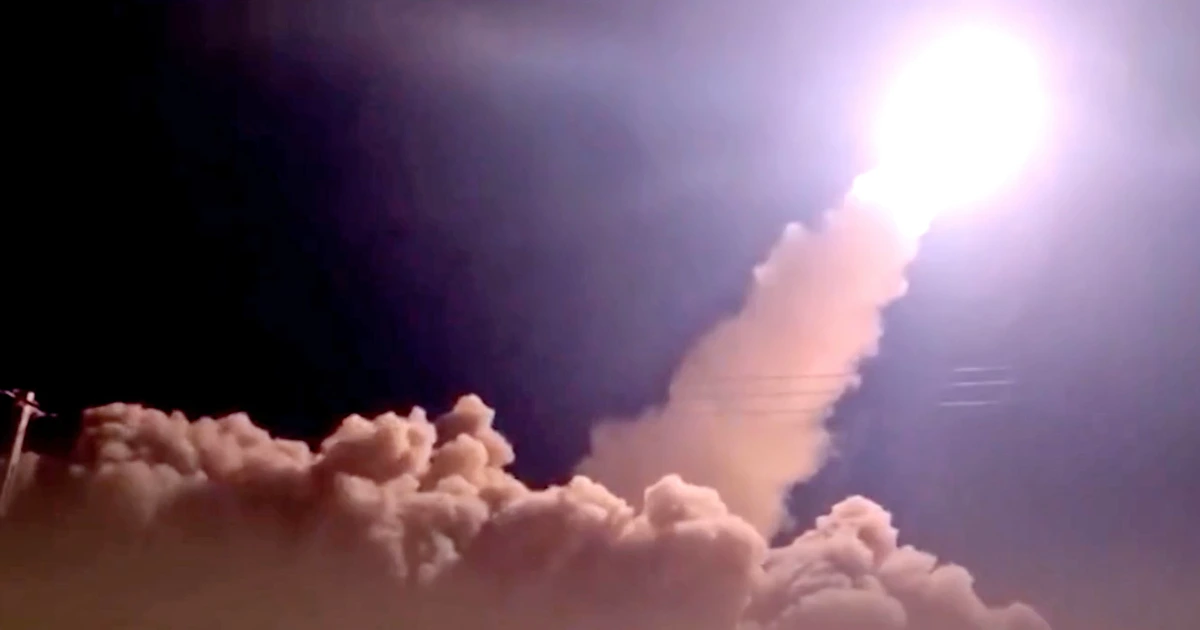
Public discussions regarding the terms of an agreement, particularly concerning a crucial trade route and the release of billions of dollars in Iranian assets, spiraled into military action after Iran targeted vessels navigating the strait. Early Sunday, Bahrain and Kuwait reported Iranian attacks, occurring just hours after the U.S. military targeted multiple locations within Iran in response to what it characterized as “continued aggression” against commercial shipping.
In response to U.S. military actions, the Iranian government issued a warning, stating it would “completely halt” negotiations if attacks persisted. President Trump also indicated that there might come a moment where rational dialogue would no longer be viable, suggesting a potential military response to the escalating conflict.
The focus of the confrontation remains on maritime control of the Strait of Hormuz, which Iran asserts is governed by an existing memorandum of understanding with the United States. The number of vessels passing through the strait increased last week following the advent of a new U.N.-backed shipping route linking Oman and nearby areas. Iran perceives this development as unacceptable and has actively resisted efforts to assert authority over the waterway.
Despite indications of a temporary ceasefire, some senior Iranian officials have expressed doubts about the progress of negotiations. Senior negotiator Kazem Gharibabadi refuted reports of planned talks, emphasizing that ongoing consultations with Qatar continue as normal, while denying media claims of a technical working group convening in Doha.
Meanwhile, Iranian President Masoud Pezeshkian lauded the interim agreement, announcing that Qatar would facilitate the release of $6 billion of frozen Iranian assets. He branded this arrangement as a “huge victory for the Iranian people,” according to comments released by the state-run IRNA news agency on Monday.
Reporting by Keir Simmons in Jerusalem and Alexander Smith in London.
