


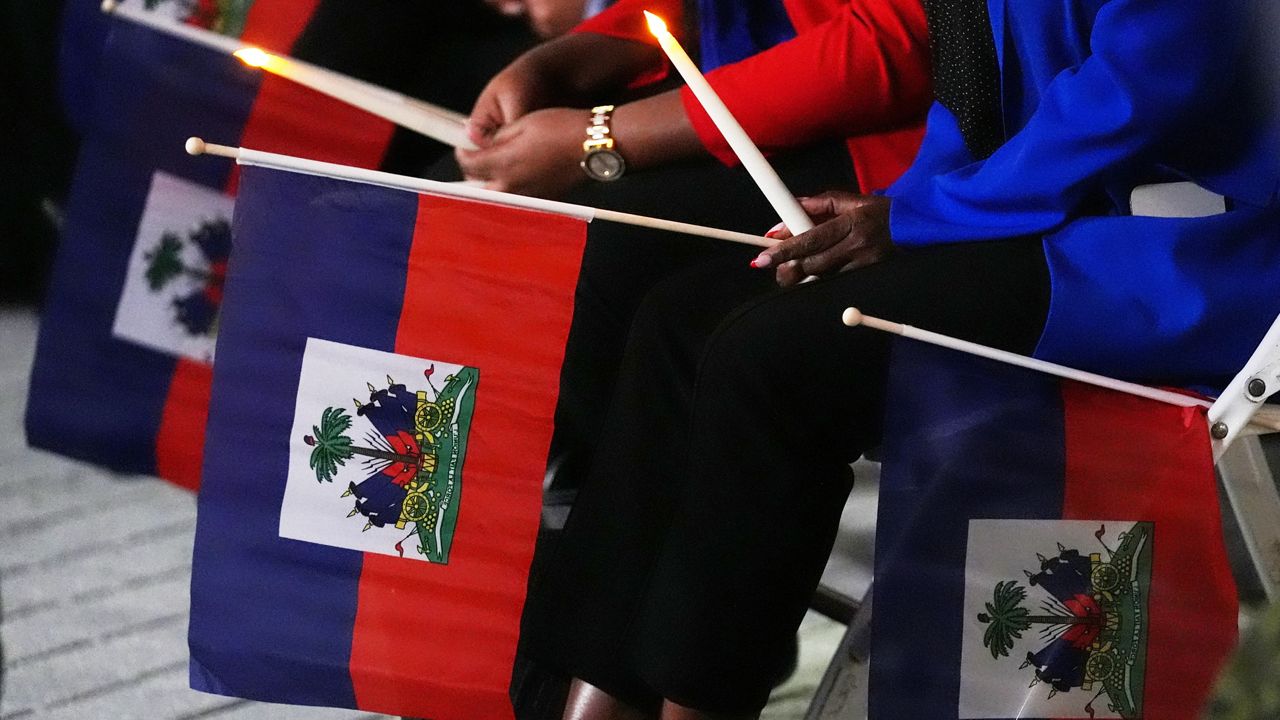
WASHINGTON — Approximately 150,000 immigrants in Texas currently hold Temporary Protected Status (TPS), which permits them to reside and work in the United States. However, the recent Supreme Court ruling granting President Donald Trump the authority to revoke protections for certain immigrant groups has cast uncertainty over their futures, as well as the futures of those who depend on them.
The American eldercare system significantly relies on immigrant labor. Now, caregivers in Texas and across the nation are preparing for potential worker shortages following the Supreme Court’s Thursday decision, which provides President Trump with the capacity to terminate TPS for Haitians and Syrians.
“Caring for seniors is a collaborative effort,” explained Katie Smith-Sloan, president and CEO of LeadingAge, a coalition representing organizations that assist the elderly. “When you remove a member from that team, the quality of care diminishes, and the effectiveness of the entire team is compromised.”
Sloan highlighted the emotional toll of disrupting caregiver relationships, emphasizing that “the disconnection from a family member and the disruption of care has profound effects not just on individual quality of life, but also on the overall standard of care.”
Nonprofits are now racing against the clock, seeking solutions to staffing challenges. “We cannot simply summon 40 new staff members overnight. In the immediate term, we may have to restrict services, reduce nursing home capacity, or even deny some individuals access to home health care,” Sloan stated.
Beyond Texas, over 147,000 individuals are presently living under temporary protective status nationwide. The Supreme Court’s recent 6-3 decision raises the specter of deportation for many TPS holders.
“We have a substantial number of TPS holders from Venezuela, Honduras, and El Salvador, among others. President Trump has already revoked TPS for some of these groups,” remarked Seth Chandler, a law professor at the University of Houston. “This ruling complicates ongoing legal disputes but does not signify their conclusion.”
The Supreme Court’s decision broadens President Trump’s powers concerning strict immigration enforcement. Officials at the Department of Homeland Security maintain that TPS was always intended to be a temporary solution, encouraging recipients to leave the U.S. voluntarily. “What I can say is that it’s time to make decisions. While you don’t have to leave immediately, staying indefinitely is not an option,” remarked James Percival, General Counsel at the Department of Homeland Security, in a statement to Fox News.
However, many immigration attorneys contend that the conditions in countries with TPS remain unsafe for returnees. “Most assessments regarding Haiti suggest that it is not a viable option to repatriate 350,000 individuals back to unsafe conditions,” explained immigration attorney Kate Lincoln Goldfinch. “Allowing them to remain in the U.S. is beneficial for all parties involved.”
Legal experts suggest that any permanent protections for TPS holders in Texas, and nationwide, will likely require action from Congress. “Congress has the ability to address this with robust immigration reform at any time. Instead of taking meaningful steps in the past two decades, the system has relied on TPS as a temporary fix,” noted Chandler. He insists that legislative clarity is essential to protect these individuals and limit the president’s discretion over TPS.”
