


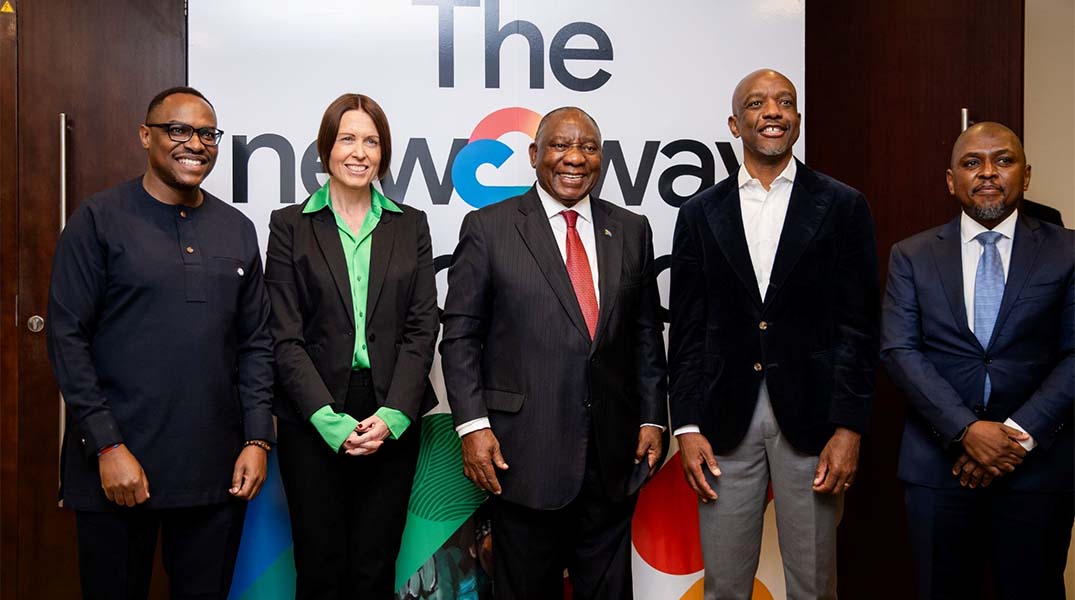
Addressing the AI Divide at Google Cloud Summit
Kathy Gibson reports from the Google Cloud Summit in Johannesburg, emphasizing the need to prevent the digital divide from evolving into an AI divide. This sentiment was echoed by James Manika, Google’s Senior Vice President of Research, Labs, Technology, and Society.
Technology as a Catalyst for Economic Growth
Manika highlighted the belief that technology can drive economic growth, but emphasized that it should be coupled with visionary leadership, strong partnerships, and a commitment to fostering an inclusive ecosystem. He stated that Google’s mission is to contribute to Africa’s capabilities and potential.
Google’s Commitment to Africa’s Digital Transformation
Since 2006, Google has invested in Africa’s digital landscape, starting with the installation of the Seacom cable. Recently, the company committed $1 billion over a span of five years to expedite Africa’s digital transformation and has already exceeded this promise within the first year.
Investments in Infrastructure and Connectivity
Manika pointed out the urgent need for more investment in infrastructure, particularly in connectivity and computing. As part of this initiative, Google announced a new connectivity hub: the South African Digital Exchange Port, located in the Eastern Cape. This hub will provide a direct connection to Australia via the Umoja cable, significantly enhancing local computing capabilities and ensuring compliance with enterprise-grade security protocols.
Fostering Research and Innovation in Africa
In addition to infrastructure, Google is placing a strong emphasis on research, aiming to ensure that innovation originates from the continent. Collaborating with institutions such as the University of Pretoria and Wits, Google is establishing AI research labs in Ghana and Kenya, designed to address challenges faced by Africa and beyond.
Supporting Entrepreneurial Growth
Google is also active in nurturing startups. Since 2018, the company has funded and accelerated over 320 startups across 17 countries. They recently announced an invitation for African entrepreneurs to join the 2026 South African startup cohort, where selected companies will benefit from an AI-focused curriculum, mentorship, and non-equity funding.
Enhancing Human Capital for AI Implementation
Manika emphasized the importance of human capital in successfully deploying AI in Africa. To this end, Google has made advanced AI tools accessible for free to eligible university students in Ghana, Kenya, Nigeria, Rwanda, South Africa, and Zimbabwe for a year. This initiative aims to equip a new generation of tech talents.
Collaborative Initiatives to Cultivate Creativity
Google announced a partnership with Sir Idris Elba’s Akuna Group to cultivate creative talent in sub-Saharan Africa. Recognizing the continent’s wealth of untold stories, Manika explained that this collaboration would include an AI education initiative to empower underrepresented creators by providing access to Google’s advanced storytelling tools, backed by over $1 million from Google.org.
The Role of Policy in AI Development
Manika concluded by highlighting the importance of policy and regulation in facilitating AI initiatives across Africa. Establishing responsible policies that balance opportunities and risks will be crucial for fostering upskilling opportunities and maximizing the potential that technology holds for future generations. He believes that now is the moment to harness these technological advancements to amplify Africa’s unique vibrancy and innovation on a global stage.
