


Democratic Republic of Congo’s World Cup Journey Concludes with Heartbreak Against England
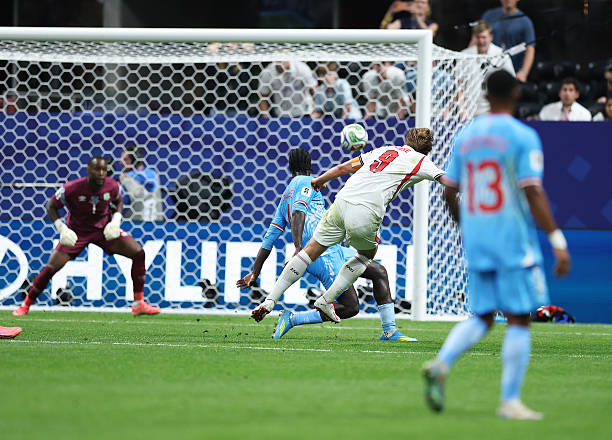
In a clash that highlighted both the allure and harsh realities of the FIFA World Cup, the Democratic Republic of Congo’s remarkable debut tournament ended with a 2-1 defeat against England in the round of 32 at the Mercedes-Benz Stadium. This match was much more than a game; it encapsulated the hopes and dreams of a nation that had been absent from the World Cup since 1974.
The standout moment came early when Brian Shipenga shocked the English side with a seventh-minute goal, thanks to an assist from captain Chancel Mbemba. The eruption of joy from the Democratic Republic of Congo supporters briefly hinted at one of the tournament’s most spectacular upsets.
Leopards goalkeeper Lionel Mpathi was instrumental, making crucial saves while a defense featuring familiar Premier League names like Aaron Wan-Bissaka put up a valiant effort, staving off England’s formidable attack for extensive periods.
However, it was English superstar Harry Kane who ultimately demonstrated why he is regarded as one of the best. Substitute Anthony Gordon provided the catalyst for England’s comeback by converting Kane’s header to equalize in the 75th minute and later assisting Kane’s decisive winning goal in the 86th minute.
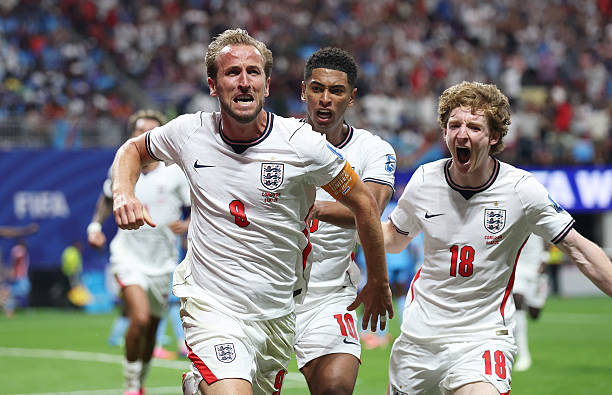
With this victory, England moves on to face Mexico in the round of 16, while the Democratic Republic of Congo exits the tournament with dignity intact. This historic campaign marked the end of a 52-year absence from the World Cup for the central African nation.
The Democratic Republic of Congo’s qualification came after a dramatic playoff that saw them excel in penalty shootouts, and they impressively topped their group undefeated—earning their first-ever World Cup victory over Portugal and defeating Uzbekistan decisively to secure a spot in the knockout stages.
Forward Yoan Ouissa shone throughout the tournament, scoring crucial goals, including a memorable performance against Portugal and contributing significantly to the match against Uzbekistan. His continual threats on the field emphasized the depth of African talent showcased on the world stage.
Coach Sebastien Desabre’s squad displayed remarkable resilience and tactical acumen throughout their World Cup journey, drawing against Portugal, narrowly falling to Colombia, and asserting dominance over Uzbekistan. Against England, the team created significant scoring opportunities while stifling the opponents’ rhythm, demonstrating a fearless spirit that will remain in the memories of their supporters.
The tournament brought a sense of unity and pride to the people of Kinshasa and across the Democratic Republic of Congo, with spontaneous celebrations erupting as the team reached each new milestone. While disappointment lingered after the match, many fans expressed an enduring pride in their team’s achievements, recognizing that their journey had made history.
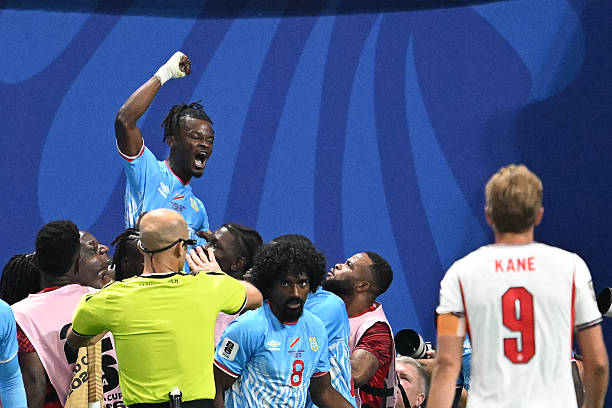
As the match highlighted England’s vulnerability under pressure, a last-minute strike from Kane spared the team from an embarrassing exit. Looking ahead, manager Thomas Tuchel intends to refine strategies for future challenges. Meanwhile, the Democratic Republic of Congo leaves the 2026 World Cup not just as competitors but as heroes, inspiring future generations and proving their mettle on both African and international football stages.
The dream for greater success may have concluded, but the legacy forged by this team will resonate far beyond the final whistle.
