


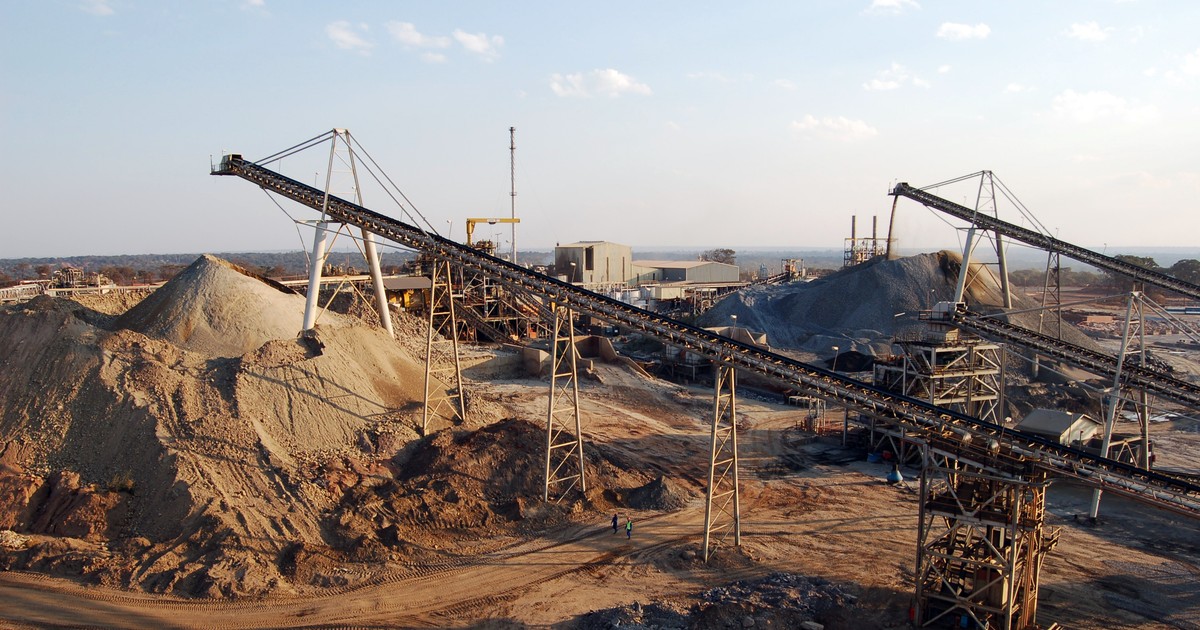
Africa’s Mineral Wealth Remains Underutilized
Africa is home to over a quarter of the world’s significant mineral reserves, boasting some of the richest deposits of copper, manganese, bauxite, and lithium. Despite this abundance, a troubling statistic from a new McKinsey report reveals that fewer than one in ten major mineral projects secure financing or advance beyond the feasibility stage.
Infrastructure Challenges Threaten Investment Opportunities
The report underscores that without addressing long-standing issues related to infrastructure, financing, and policy, African nations risk missing out on one of the largest mining investment opportunities of recent decades. This is particularly alarming given the growing global reliance on the very minerals Africa possesses.
Soaring Demand for Energy Transition Minerals
Demand for minerals critical to energy transition is projected to grow at an average rate of 4.5% per year through 2035. This growth is driven by significant investments in artificial intelligence, electric vehicles, renewable energy, and advanced manufacturing, positioning Africa at the heart of this emerging demand.
Geopolitical Pressures Shift Focus to Africa
Global geopolitical tensions and supply chain uncertainties are encouraging countries to diversify their sources of critical minerals, enhancing Africa’s role in the competitive landscape. Yet, Africa’s vast potential contrasts sharply with its inability to translate mineral wealth into productive mining operations.
Investment Trends and Project Viability Issues
Despite the continent’s wealth in resources, Africa trails behind mining giants like Australia and Canada in converting mineral discoveries into active production. Exploration spending in Africa is estimated at only $1.2 billion annually, significantly lower than the investment levels in Australia and Canada, despite Africa’s larger geographic footprint.
Obstacles to Operational Efficiency
Investment is often concentrated in a handful of large projects capable of absorbing political and operational risks, leaving many commercially viable deposits undeveloped. According to McKinsey, the primary barriers to progress have shifted from geological challenges to issues surrounding mining operations, including aging infrastructure, unreliable power supplies, and regulatory uncertainties.
Transforming the Sector for Enhanced Value
McKinsey envisions substantial opportunities for Africa to become a leader in the critical mineral market. By enhancing infrastructure, expediting mine developments, and fostering technological advancements, the continent could unlock an estimated $40 billion in added value across its mining ecosystem, potentially boosting its GDP by around 4% and creating over 3 million jobs by 2035.
Strategies for Collaborative Growth
The report emphasizes the development of mining clusters where neighboring operations can share critical infrastructure like railways and power plants. Such strategic collaboration could significantly increase revenue and job creation, demonstrating that geological advantages alone are insufficient for success in today’s global mining industry.
Embracing Technology to Overcome Challenges
Artificial intelligence is poised to address many of the mining industry’s persistent productivity challenges. McKinsey estimates that widespread adoption of AI could infuse between $5.3 billion and $8.5 billion of economic value into Africa’s mining sector, reflecting significant potential for technological enhancement in project execution and profitability.
