


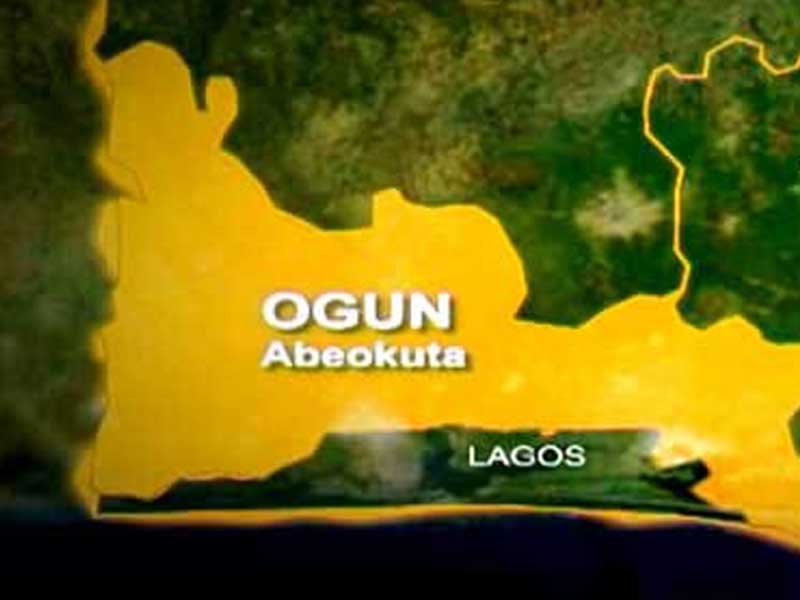
Nigerian Opposition Leaders Face Critical Moment in Ogun State
Nigeria’s opposition leaders find themselves at a crossroads this election season, marked by a lack of strategic insight and a pervasive culture of emotional responses and blame-shifting following their recent electoral defeat. Instead of learning from past mistakes, they continue to cast the government as the scapegoat for their shortcomings. This trend is particularly evident in Ogun State, where political tensions are escalating.
This year marks a notable shift for the All Progressives Congress (APC), which is fielding a strong candidate, Senator Solomon Olamilekan Adeola, against a floundering opposition. The opposition’s current strategy appears to lean heavily on emotional appeals rather than concrete policy proposals. As constituents call for effective leadership that prioritizes economic revitalization and security, the opposition campaigns primarily through negative messaging aimed at Adeola.
Recently, the focus of the opposition’s rhetoric took an unexpected turn. Instead of scrutinizing policies or performance indicators, some opposition figures have shifted their campaign to questions regarding Adeola’s ancestry and familial connections. This shift was particularly pronounced when he attended a reception hailed as a “glorious homecoming,” organized by his maternal family in Kemta, Abeokuta, to bolster his political aspirations. Critics like Ibrahim Afolabi seized the moment to demand that Adeola justify his lineage, raising concerns about his identity, sources of wealth, and even changes to his name. Such accusations reflect an outdated notion that lineage holds any bearing on one’s capacity to govern effectively.
It’s important to recognize that a candidate’s ancestral background does not dictate their administrative skills. While Senator Adeola undoubtedly has strong ties to Yewa, these ties alone do not encompass his qualifications. His extensive experience spans from the Lagos State House of Assembly to the Senate, where he has effectively navigated complex governance challenges. Dismissing his credentials in favor of discussing family relations diminishes the intellectual integrity of the electorate, thus undermining the seriousness of the political debate.
On the other hand, the opposition’s candidate, Oladippo Adebutu from the Peoples Democratic Party (PDP), seems to be leaning into divisive ethnic sentiments. His attempt to position himself as an alternative under the guise of impartiality seems to disregard the political and geographic realities of Ogun State. In a region where political loyalty often aligns with geography, the PDP’s strategy risks alienating voters who value fairness and inclusivity in the political landscape.
As Ogun residents are asked to scrutinize Senator Adeola’s lineage, they are being distracted from more pressing issues, including his track record of development initiatives in Ogun West. His recent projects, such as the upgrading of roads and the establishment of new educational and healthcare facilities, showcase his tangible commitment to improving constituents’ lives. These verifiable achievements stand in stark contrast to the opposition’s emphasis on personal history, a diversion from the real issues at stake in the upcoming elections.
Political accountability remains essential, and while discussions around wealth and integrity are necessary, they must not devolve into genealogical inquiries. Voters are more concerned with a candidate’s ability to govern competently than with their familial connections. As the opposition continues to focus on ancestry rather than actionable policies, they risk being sidelined and perceived as out of touch with the electorate’s needs.
The APC’s endorsement of Senator Adeola as its consensus candidate reveals a commitment to advancing governance based on proven accomplishments rather than emotional appeals. The 2027 elections will demand that opposition parties pivot from focusing on bloodlines to discussing governance. For the opposition to regain relevance, it must engage with the electorate on substantive issues like economic development, infrastructure maintenance, and national security. The electorate’s hunger for real solutions offers a clear roadmap: the battle for Ogun State needs to center on ideas that deliver results, not on genealogical speculation.
*Ogbonnikan writes from Oke-Agbede, Imeko Afon LGA, Ogun State.
