


The Economic Toll of Nigeria’s World Cup Absence
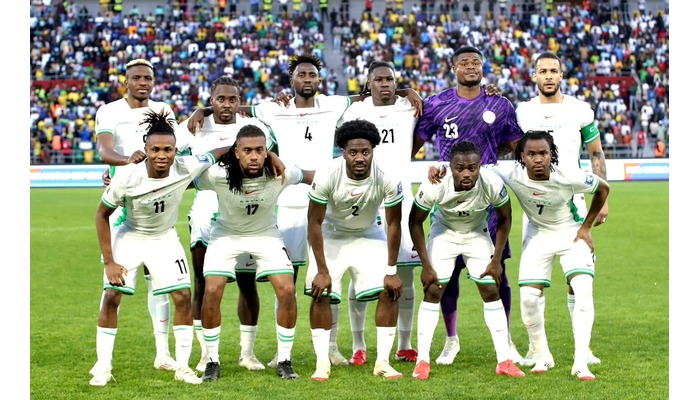
Nigeria, with its population of 200 million, faces profound economic ramifications from its failure to qualify for the FIFA World Cup for two consecutive tournaments—Qatar 2022 and the ongoing 2026 edition in the United States, Canada, and Mexico. Moregood Phillips, a Resident Marketing Research Analyst at Insight Place Nigeria, emphasizes that this loss presents significant economic, marketing, and reputational challenges for Africa’s most populous nation.
The Business of Soccer
Soccer has evolved into a multi-billion dollar global enterprise, with elite leagues such as the English Premier League, Italy’s Serie A, Spain’s La Liga, Germany’s Bundesliga, and France’s Ligue 1 attracting substantial sponsorship investments from international brands. The recent rise of Saudi Arabia as a central hub for soccer further underscores the sport’s commercial viability.
The World Cup’s Financial Impact
The FIFA World Cup serves as the apex of this expansive commercial ecosystem. The Qatar 2022 tournament generated approximately $7.5 billion in revenue for FIFA, attributed to broadcasting rights, sponsorships, and hospitality. With more than 5 billion viewers tuning in worldwide, FIFA also distributed around $440 million in prize money, ensuring even teams that were eliminated in the group stage received about $9 million.
Fading Opportunities for Nigeria
Nigeria’s absence from consecutive World Cups means it has forfeited guaranteed market income, potential sponsorships, and a host of commercial advantages associated with participating in the world’s premier sporting event. The impact is particularly devastating for industries such as advertising and media, which typically see a surge in spending during World Cup years when the Super Eagles participate. The increased viewership and engagement drive higher advertising rates and bolster revenues for TV and radio stations, newspapers, and digital platforms.
The Broader Commercial Impact
The hospitality sector has also felt the effects. Hotels, bars, restaurants, and pay-TV operators usually report increased patronage each time Nigeria plays in the World Cup. Yet, with the Super Eagles absent, economic activity has diminished, leading to significant job losses and a noticeable decline in revenue for many businesses that rely on the excitement of the tournament.
Youth Inspiration and National Identity
Moreover, the ramifications extend beyond economics. Young Nigerian athletes lose out on what could have been a pivotal opportunity to showcase their talents on a global platform, diminishing their professional aspirations. Missing out on consecutive World Cups may erode the dreams of aspiring soccer players and, in the long run, affect grassroots football development in the country.
A Missed Cultural Spotlight
The World Cup also offers nations a chance to present their culture, tourism, and investment potential on the global stage. For a nation of over 200 million, Nigeria’s absence from the tournament represents a squandered opportunity for international visibility and engagement. Beyond the economic and marketing losses, the emotional and patriotic connection that football fosters among Nigerians remains incalculable, further highlighting the gravity of this setback for national pride.
The Path Forward for Nigerian Football
The pressing challenge for Nigerian football administrators is crystal clear: ensuring that qualification for the 2030 FIFA World Cup becomes a national priority. In today’s interconnected world, soccer embodies not just a sport, but a crucial element of business, diplomacy, and cultural branding. Nigeria must take decisive action to reclaim its place in this global phenomenon.
Michael Umogun serves as the Business Development Director at Insight Place Nigeria.
