


Roberto López, affectionately known as “Pico,” has become a standout player at the 2026 FIFA World Cup after being scouted by the Cape Verde national team via LinkedIn. He played a pivotal role in bringing attention to the African island nation by pushing Lionel Messi and the Argentine national team into extra time during the round of 32. As he captures global headlines, his club, Shamrock Rovers, is already setting its sights on the upcoming UEFA Champions League season.
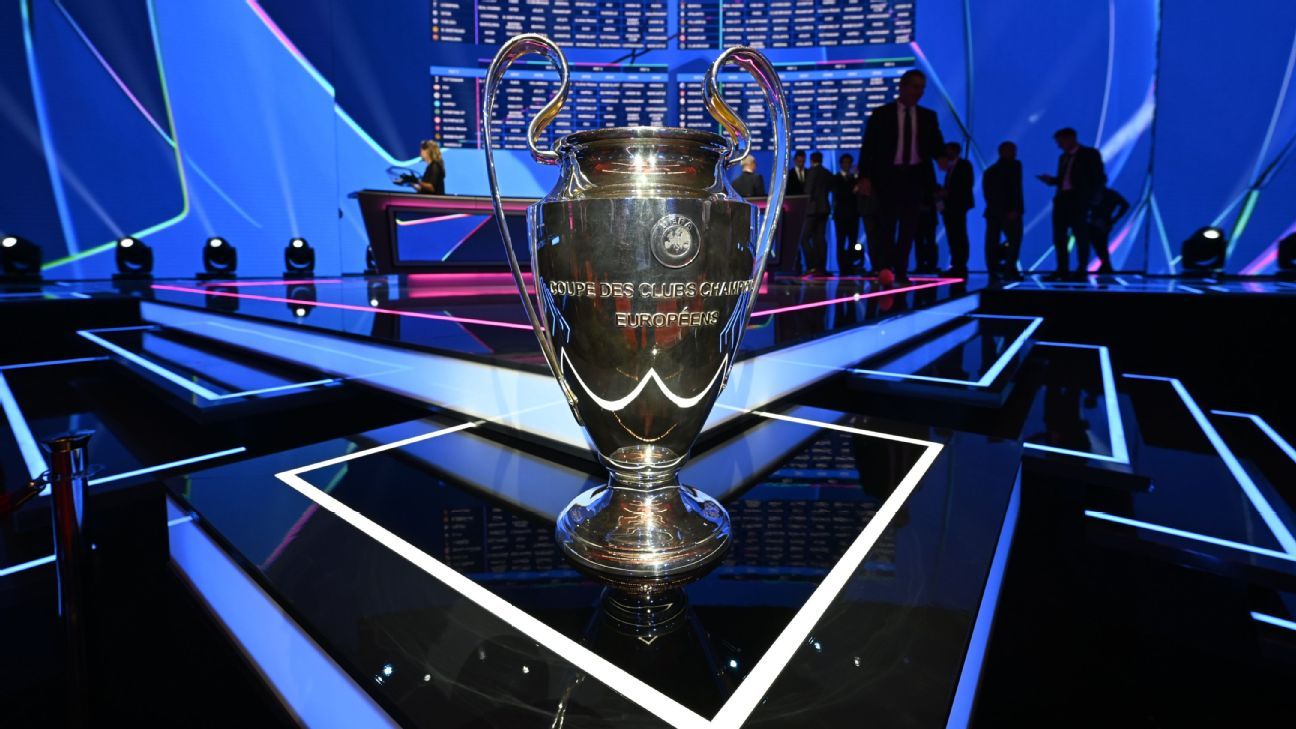
The first qualifying round for this prestigious club tournament kicks off on Tuesday, just 38 days after Paris Saint-Germain claimed victory over Arsenal in the previous season’s final. With the new campaign starting early, many of Europe’s notable clubs are yet to join the competition for the 2026-27 season, making room for under-the-radar teams to step into the spotlight.
Clubs from across the continent each carry unique narratives. For instance, Luxembourg’s FC Differdange has swiftly climbed from the third tier to national champions within three seasons. They achieved this impressive feat last season with a narrow win over their long-standing rivals, marking them as only the second club in Europe to accomplish such a rapid ascent, following Bulgaria’s Ludogorets.
This resurgence can largely be attributed to Carlos Teixeira, a former soccer player turned entrepreneur. His decision to invest in a new stadium complex in Bissen was just the beginning; persuaded by the local mayor to take on the role of club president, Teixeira made the executive choice to promote his brother Pedro as head coach last summer. His leadership not only bolstered the team competitively but also provided essential job opportunities for players in a semi-professional league where supplementary income is often necessary.
Moving to Bosnia and Herzegovina, the national champions from the Serb-majority Republika Srpska have captured the hearts of local supporters. This pride stands out in a nation often teetering on the edge of ethnic division, where football competitions frequently take on significant political implications. In recent years, the Red & Blues have not only secured two Bosnian Premier League titles but have also made strides in European competition, notably becoming the first club from the region to reach the finals of a continental tournament just two seasons ago.
In Romania, a fascinating rivalry has emerged between CS Universitatea Craiova and FC U Craiova 1948, both claiming to be the rightful heirs of the legacy left by the original University of Craiova, champions in 1991. Differing fortunes marked last season for the two clubs; FC U Craiova 1948 faced severe penalties for financial mismanagement, while CS Universitatea Craiova celebrated victory in the Superliga and participated in the league phase of the UEFA Conference League, despite narrowly missing the knockout stages.
Kazakhstan’s Kairat faced uniquely challenging circumstances last season, travelling considerable distances for their UEFA matches, including setting a record for the longest trip in the competition’s history. The 2023-24 campaign yielded just one point in their domestic league, exacerbated by the departure of star striker Dastan Satpayev to Chelsea, leaving their path to qualification for the next Champions League even more arduous.
FIFA has tailored specific rules for the Faroe Islands, addressing their unique geographical challenges. KÍ Klaksvík has found significant success in this picturesque archipelago, maintaining an unbeaten league streak that lasted over two years. Despite finishing last in their Conference League group, they made history as the first club from the Faroe Islands to win a European group-stage match, showcasing their growing influence beyond national borders.
Located in Gibraltar, the Lincoln Red Imps exemplify the notion of a small club with a significant impact. With an impressive domestic history, they were the first club from Gibraltar to reach the group’s stages of European competition in 2021-22 and achieved a historic victory over Celtic in Champions League qualifying in 2016. Their achievements reflect the potential of underdog clubs, proving that even the smallest entities can compete at the highest levels.
Meanwhile, in Wales, clubs like the New Saints have dominated the domestic scene, consistently pushing the boundaries as they engage with the English football system. Their ambitious exploits have kept them in contention as they become the first Welsh club to reach European competition group stages, while enduring rivalries continue to simmer beneath the surface.
Lastly, Vardar from North Macedonia embodies the unpredictability often seen in football. With a history marked by both successes and relegations, their dramatic journey back to prominence includes clever maneuvers that have allowed them to retain a place in the top tier. Their accomplishments are a testament to the resilience and unpredictability that characterize the world of football.
