


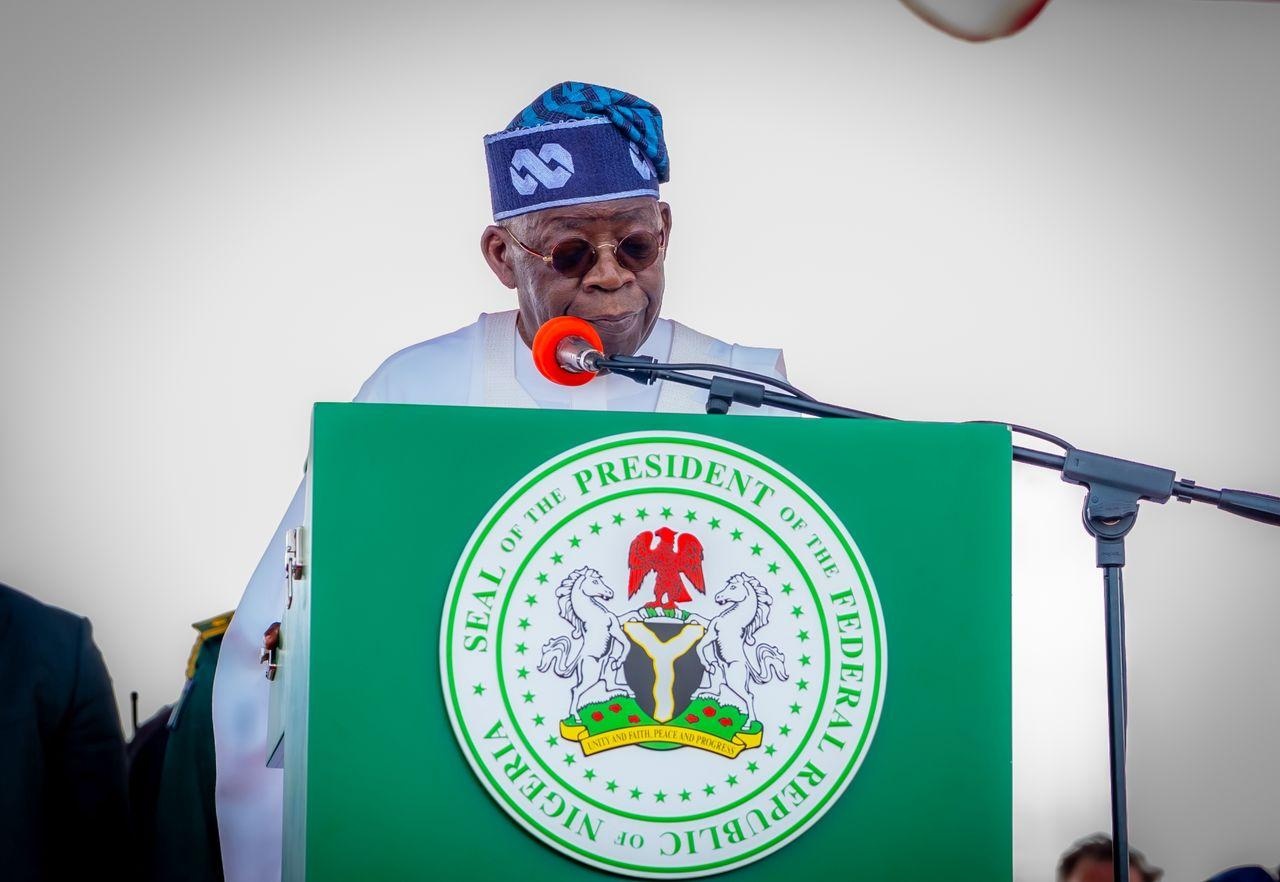
President Bola Tinubu has instructed the Federal Competition and Consumer Protection Commission (FCCPC) to conduct an investigation into prominent global technology firms and generative artificial intelligence (AI) platforms. This inquiry will focus on alleged anti-competitive practices and the misappropriation of content from Nigerian media organizations.
This directive stems from a joint petition presented to the President by the Nigerian Publishers Organization (NPO), which includes the Newspaper Proprietors Association of Nigeria (NPAN), the Nigerian Union of Journalists (NUJ), the Broadcasting Organizations of Nigeria (BON), and the Guild of Corporate Online Publishers (GOCOP).
The Federal Government communicated the President’s mandate to the FCCPC via the Minister of Information and National Orientation, Muhammad Idris.
In a statement released by the commission on Monday, it was noted that the investigation will examine claims that some of the world’s largest technology companies have engaged in activities that hinder fair competition and jeopardize the sustainability of Nigeria’s media sector.
Companies under scrutiny include Meta, Alphabet (the parent company of Google), X (formerly known as Twitter), and various generative AI platforms operating within Nigeria.
Investigation of Allegations Against Tech Firms
The FCCPC has announced that the inquiry will assess whether these firms contravened the Federal Competition and Consumer Protection Act of 2018 (FCCPA) and other relevant legislation.
Key issues to be analyzed include potential abuses of market power and instances of anti-competitive behavior. The investigation will also explore allegations that copyrighted news articles, broadcast materials, and original journalistic content from Nigerian media entities were extracted, misused, or commercially deployed without consent for the training and development of generative AI models.
Another significant concern is whether international technology companies have prevented Nigerian media organizations from negotiating fair remuneration and commercial agreements for the utilization of their content. News organizations argue that such practices diminish the commercial viability of publishers and infringe upon the rights of journalists and content creators.
Commitment to an Impartial Process
In light of this directive, Tanji Bello, Executive Vice-Chairman and CEO of the FCCPC, affirmed the commission’s commitment to an independent, evidence-based inquiry.
Bello expressed, “We understand the vital role of media in Nigeria’s democracy and the crucial function of technology in driving innovation and economic growth. Our task is to objectively establish the facts and ensure that competition within the digital landscape adheres to fair, transparent standards aligned with Nigerian law.”
He emphasized that the investigation should not be construed as an indication of wrongdoing by any specific company, reiterating, “This is not an implicit accusation against any firm. It presents an opportunity to investigate the facts thoroughly, engage with all affected parties, and ascertain whether any conduct has led to anti-competitive outcomes or unfair business practices.”
All involved parties will have the chance to articulate their perspectives before any conclusions are drawn.
This inquiry follows a significant legal victory for the FCCPC against Meta, where in 2025, the technology company was fined $220 million for alleged violations of Nigeria’s Competition and Consumer Protection Act. Meta has since appealed this ruling.
Broader Implications on Global Competition
The FCCPC has indicated that similar issues have surfaced internationally concerning the dynamics between global tech firms and news publishers. For instance, the South African Competition Commission’s investigation resulted in Google agreeing to compensate the country’s news media approximately R688 million (around $40 million) annually for three to five years.
The ongoing investigation aims to determine if analogous competition and consumer protection challenges exist in Nigeria and whether subsequent regulatory measures are warranted.
