


CoreCivic Sells Major Immigration Detention Centers to Federal Government
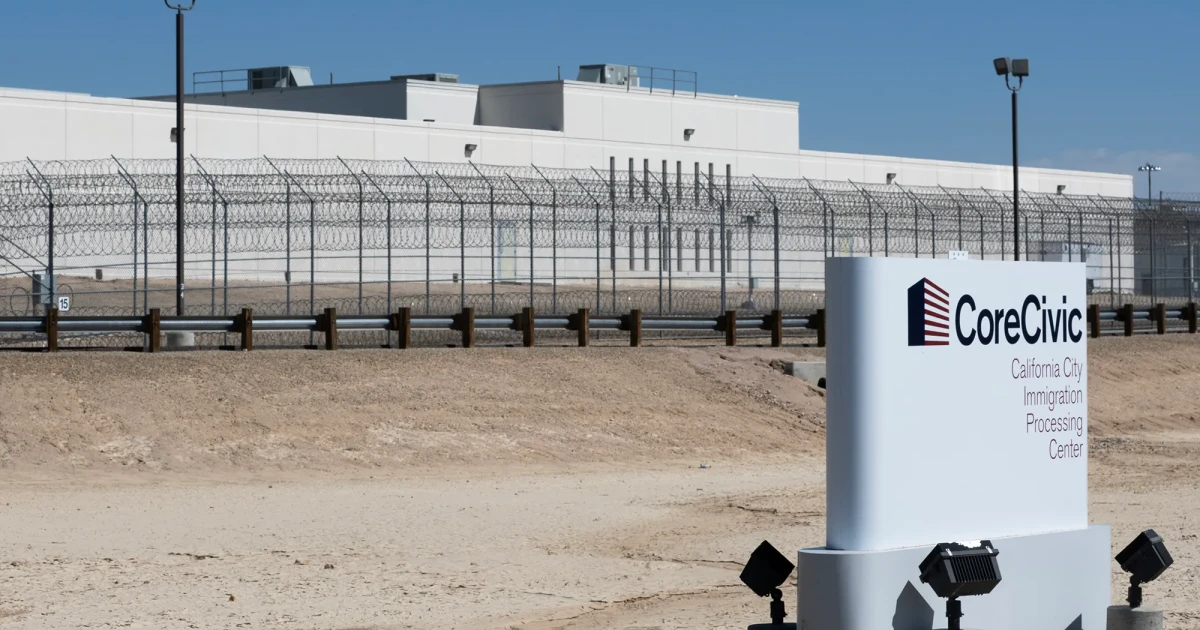
CoreCivic, a prominent private prison company, has finalized the sale of two significant immigration detention facilities in California to the U.S. Department of Homeland Security (DHS) for $1.5 billion, the company announced on Monday. This transaction includes the Otay Mesa Detention Center in San Diego County and the California City Detention Center in Kern County.
Financial Details of the Transaction
The sale, completed on July 2, is anticipated to yield CoreCivic a net gain of around $1.1 billion. The federal government paid $739.2 million for the 1,994-bed Otay Mesa facility and $732.6 million for the newly opened 2,560-bed California City facility, as highlighted in recent filings with the U.S. Securities and Exchange Commission.
Operational Continuity Maintained
CoreCivic confirmed that it will continue its daily operations at both detention facilities under existing contracts with U.S. Immigration and Customs Enforcement (ICE). However, the company also acknowledged that the terms of these contracts might be subject to renegotiation now that the federal government owns the properties outright.
Federal Budget Boost for Immigration Enforcement
The acquisition coincides with a record influx of funding for the Department of Homeland Security. The 2025 federal budget allocates approximately $170 billion for immigration enforcement and detention, including $45 billion specifically designated for expanding detention capacity through fiscal year 2029.
Shift Away from Private Detention Models
This acquisition aligns with the federal government’s strategy to enhance immigration detention capacity nationwide without relying on private contractors. A brief from the Brennan Center for Justice at New York University School of Law highlighted the intention behind this shift. The move away from private detention facilities, termed the “ICE Detention Reengineering Initiative,” aims to alleviate the strain on local services caused by large-scale detention centers capable of housing between 7,500 and 10,000 detainees.
Continued Scrutiny on Detention Conditions
California law permits state and local officials to inspect immigrant detention centers. Since President Trump’s second term, Democratic leaders have ramped up oversight of conditions in these facilities. Democratic Senator Alex Padilla visited both facilities acquired by the federal government, advocating for humane treatment and better access to healthcare for detainees.
Legal Challenges in Detention Operations
The Otay Mesa facility is currently embroiled in a legal dispute regarding local health inspections. In March, San Diego County officials filed a lawsuit against the federal government and CoreCivic, claiming that health inspectors were obstructed from conducting comprehensive inspections under a new state law. Recently, a federal judge granted county health officials access to the facility. CoreCivic and GEO Group are contesting California’s County Inspection Act of 2024, claiming it infringes upon federal authority.
Potential for Further Sales
CoreCivic has expressed ongoing interest in discussions with ICE regarding the potential sale of additional federal detention centers; however, these negotiations are still in the preliminary stages. Proceeds from the current sale, estimated to be around $1.1 billion before taxes and transaction costs, may be allocated for repaying bank credits and settling $238.5 million in senior notes due in 2027. Remaining funds could support debt reduction or share buybacks. Patrick Swindle, CoreCivic’s president, emphasized the company’s commitment to serving as a flexible solutions provider for government partners.
