


Resilience and Community in Magnolia Park Following Tragedy
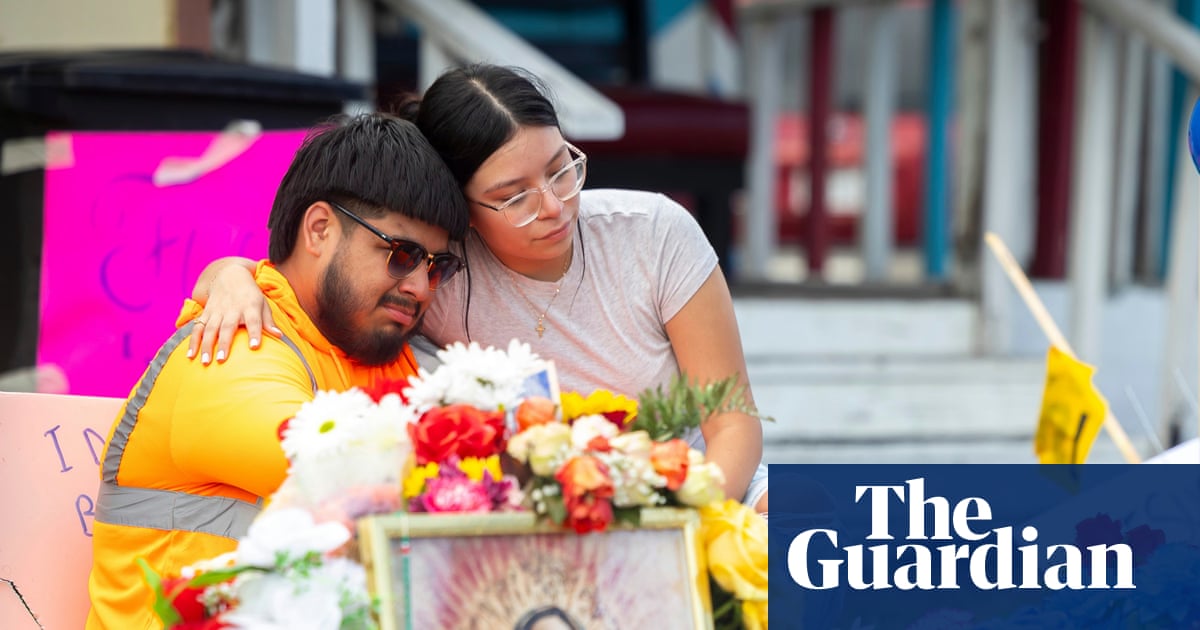
Since July 7, a nightly vigil has transformed Canal Street into a poignant memorial. What began with two neighbors fastening white roses to a telephone pole quickly grew into a community expression of grief and solidarity. By the seventh evening, the sidewalks were aglow with votive candles depicting the Virgin of Guadalupe, complemented by a Mexican flag beside the Texas state flag, and a wooden cross adorned with a photo of Lorenzo Salgado Araujo, a 52-year-old husband and father who was tragically shot by ICE in Houston’s Magnolia Park neighborhood.
“Magnolia Park is a close-knit community where neighbors actively support one another,” said Joanna Rodriguez, co-founder of the nonprofit Magnolia Park Arts and Community. She resides just two blocks from the scene of the shooting. “When we learned of the incident, our immediate reaction was, ‘Who was that?'”
Lorenzo Salgado Araujo, a local builder who employed over a dozen workers, was en route to work with three companions when federal immigration agents fatally shot him. Authorities later clarified that he was not the individual they had been pursuing.
Jesse E. Rodriguez, Joanna’s husband and a lifelong resident of the neighborhood, reflected on the indiscriminate nature of the violence: “This could have happened to anyone. It could be me or my brother. My brother often grabs breakfast there before work,” he noted, gesturing toward a nearby store.
The impact of Salgado Araujo’s death reverberates through Magnolia Park, an area with over a century of history as a sanctuary for Mexican families. This community, once called “Little Mexico,” began to emerge in the early 1900s, when families settled along the Channel, creating jobs and resilience in the face of historical upheavals like the Mexican Revolution. However, recent years have ushered in significant changes, with an influx of developers purchasing century-old homes, rising rents, and an unsettling sense that the neighborhood is evolving away from its roots.
In the wake of the tragedy, fear has enveloped residents, who now find themselves wary of unmarked cars and hesitant to venture outside before dawn, pondering the dangers of being misidentified. Yet, this fear has sparked a galvanizing anger, igniting a collective determination among community members to advocate for one another.
Neighborhood Transformation and Challenges
To fully grasp the tragic events in Magnolia Park, one must delve into its historical roots. Jose Aranda, a Mexican American literature professor at Rice University and a Magnolia Park native, connects the area’s identity to its economic landscape. Following one of the worst storms in U.S. history in the early 20th century, the region experienced a surge in demand for labor as Houston grew into a significant shipping and oil center, attracting waves of Mexican workers to the area’s piers, warehouses, and refineries.
This community thrives on cultural heritage, where speaking Spanish is common, local businesses flourish, and celebrations—like quinceañeras and weddings—are frequent. “Life is vibrant here, and that deep sense of community brings us joy,” Aranda remarked. However, the relentless pace of gentrification is evident, as historic homes are razed to make way for expensive developments, further severing ties to the area’s past.
Rising rents without corresponding investments in local infrastructure have become a pressing concern. Cedillo pointed out that from 2018 to 2023, the Hispanic population in Magnolia Park fell by 15%, reflecting the shifting dynamics within the neighborhood. “While many long-established families remain, some have had to leave,” Jesse E. Rodriguez noted, urging those who have departed to reconnect with their roots.
Enduring Division and Distrust
The history of racial tensions between law enforcement and the Magnolia Park community isn’t novel. In 1977, a Vietnam War veteran, Joe Campos Torres, was killed by a Houston police officer, an incident that incited widespread outrage and eventual riots. The legacy of that event continues to resonate, informing residents’ apprehensions about law enforcement. “The neighborhood has a collective memory that makes us cautious of police,” Aranda explained. “Growing up here instills an instinctive wariness.”
Cedillo highlighted how the community’s past experiences with violence at the hands of police have fueled the visceral response to Salgado Araujo’s death. “These incidents reflect systemic issues of racism and profiling,” she emphasized.
Within this atmosphere of fear, speculation has escalated regarding recent unexplained deaths in the area. Although Cedillo refrains from endorsing theories about a serial killer, she acknowledges that the absence of clear information from authorities has led residents to connect these events to the prevailing climate of intimidation.
The concern about safety is palpable, especially among those who feel threatened by unmarked vehicles. Joanna Rodriguez articulated this anxiety, expressing that if she were pursued by such a vehicle, she wouldn’t stop, fearing the worst—an experience she associates with Salgado Araujo’s tragic fate.
Strengthening Community Bonds amid Adversity
Despite the changes and challenges, the core of Magnolia Park remains resilient. During a public viewing for Salgado Araujo, hundreds of mourners who had never met him came together to pay respects, illustrating the strong community ties that transcend individual relationships. His sons stood vigil by his casket, underscoring the depth of collective mourning.
Activists are amplifying their calls for accountability and an independent investigation into the circumstances surrounding Salgado Araujo’s death. Their efforts include community gatherings featuring “Know Your Rights” workshops and healing art protests designed to foster collective action and unity among Houston residents.
Neighbors continue to honor Salgado Araujo’s memory at the site where he was killed, lighting candles, sharing music, and exchanging contact information to enhance safety among each other. Regardless of whether the threat comes from historical police actions or current fears of immigration enforcement, the enduring spirit of community remains a defining characteristic of Magnolia Park. Cedillo poignantly summarized the residents’ desires: “We’re not asking for much; we merely want to be treated as human beings within the frameworks of due process and justice.”
