


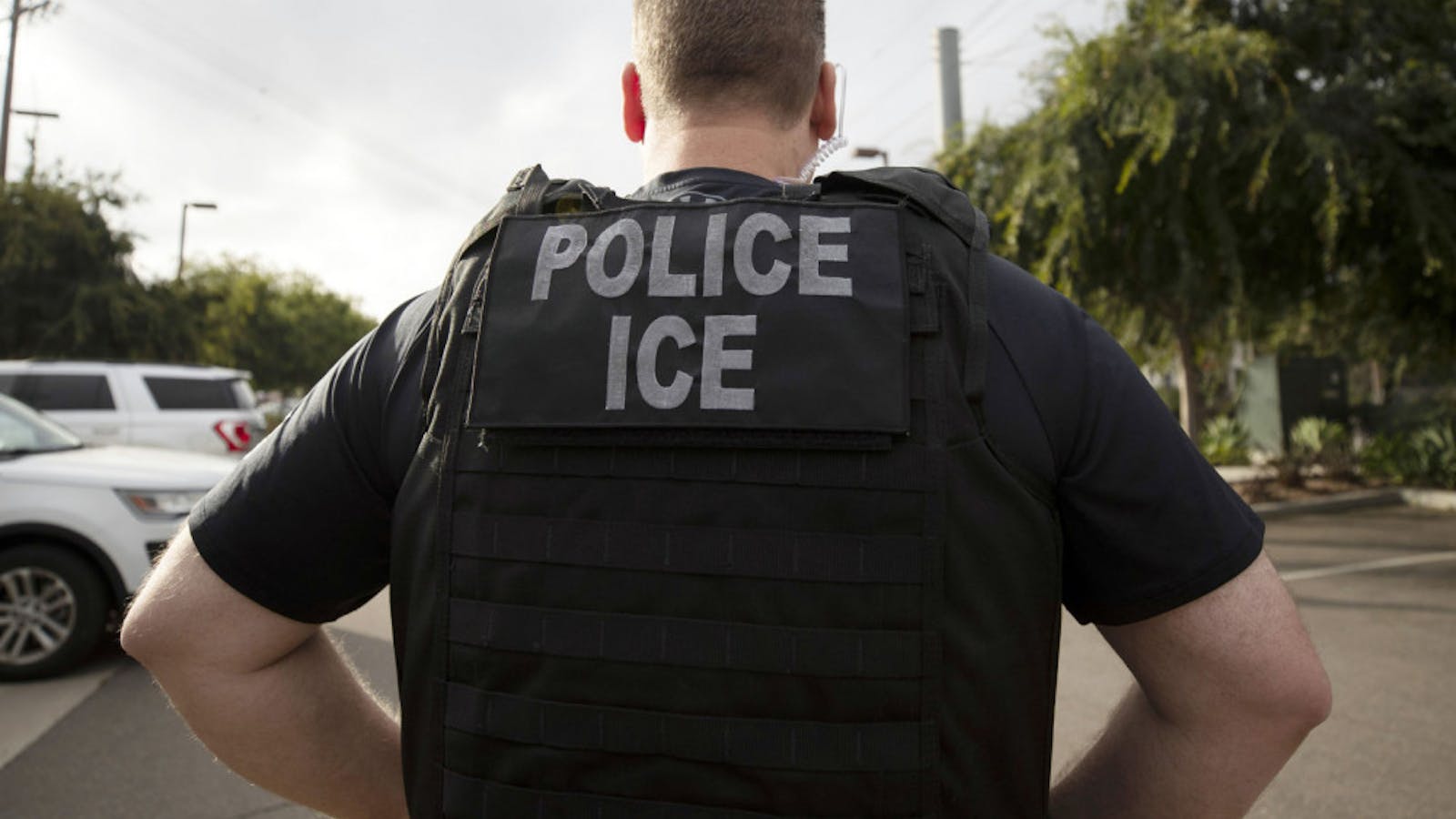
The past week saw Immigration and Customs Enforcement (ICE) cited in the deaths of three civilians across Texas, Maine, and Florida, raising significant concerns about agency practices and accountability.
Fatal Incident in Houston on July 7
The troubling series of events began on July 7 when ICE agents shot Lorenzo Salgado Araujo during a targeted traffic stop in Houston. The Department of Homeland Security later revealed that Araujo, a businessman who had resided in the United States for 35 years and was nearing approval for a work permit, had been misidentified by law enforcement officials at the scene. Authorities stated that the agents fired in self-defense after Araujo attempted to evade arrest and failed to comply with verbal commands. The investigation faces challenges due to a lack of evidence, as the officer involved was not wearing a body camera. This omission has prompted Texas lawmakers to seek answers.
In a letter directed to the DHS Office of Inspector General, these lawmakers demanded a thorough and independent investigation into what they described as a troubling history of unnecessary deadly force used by ICE. They emphasized that families and communities impacted by such incidents deserve a complete and transparent account of what transpired.
Shooting in Biddeford, Maine on July 13
On July 13, ICE agents shot and killed 25-year-old Johan Sebastian Duran Guerrero during a vehicle stop in Biddeford, Maine. DHS confirmed that Guerrero, a Colombian national with legal status in the U.S. and a father to a 3-year-old child, was not under any deportation order. Officials claimed that law enforcement had attempted to block Guerrero’s vehicle, asserting that it posed a threat. However, local security footage reportedly depicted a police SUV restraining Guerrero’s car before officers extracted his lifeless body from the street.
The Maine Attorney General’s Office has initiated an investigation in coordination with federal authorities, while demonstrators have gathered outside an ICE facility to protest the recent killings. Local activism highlights growing public concern over ICE’s operational methods and their consequences.
Incident in St. Augustine on July 14
The situation escalated further on July 14 when a Mexican man was fatally struck by a semi-truck while being pursued by ICE agents in St. Augustine, Florida. The 28-year-old was confronted by ICE and DHS agents at a gas station in St. Johns County. After fleeing on foot with three passengers, he ran onto a busy roadway and was hit by the truck, according to Florida Highway Patrol Sergeant John Rodger. The victim was later identified as Juan Jairo Coronilla Duran, a resident of Guanajuato, Mexico, who had only been in the United States for three weeks on a tourist visa.
Duran’s wife, Yessica Alamira López, identified him through the Orlando-based organization Colectivo Arbol, emphasizing the tragic brevity of his time in Florida. Notably, his death marked at least the tenth related to ICE since the beginning of the Trump administration’s aggressive deportation strategy and the third civilian death linked to ICE within just one week.
Political Responses and Community Reactions
In response to these incidents, the Trump administration temporarily suspended ICE traffic stops on July 14, following the fatal crashes in Texas, Maine, and Florida. However, just hours after announcing the moratorium, President Trump criticized the decision, asserting that traffic stops are a critical tool for ICE operations. He expressed disappointment with the agency’s choice to halt these stops amid ongoing investigations. Border czar Tom Homan supported Trump’s stance, emphasizing the essential role of vehicle stops in law enforcement.
Community groups, including the Jacksonville Immigrant Rights Alliance, have organized vigils and rallies to demand accountability from ICE and to terminate the contentious 287(g) agreements in Duval County. Increasing scrutiny has emerged around these agreements, particularly as activist groups in various Florida counties advocate for change. The ACLU of Florida has further emphasized the need for governmental accountability, stating that ICE’s arrest quotas foster inhumane practices. ACLU officials have called for Congressional intervention, highlighting the dire consequences of fear surrounding immigration enforcement in everyday activities.
