


Rising Insecurity in Northern Nigeria Amidst Abductions
A typical day in northern Nigeria echoes despair. News bulletins frequently report harrowing incidents: “Bandits kill 21 people, burn houses in Katsina,” and “348 students captured, UNESCO issues warning.” The situation is dire, with recent reports indicating that 121 students have been abducted in Kaduna State, bringing the total to 348. Among these, 227 students remain in the hands of bandits, weeks after their abduction from various schools in Niger, Kebbi, and Kaduna states.
Parental Anxiety and Neglected Welfare
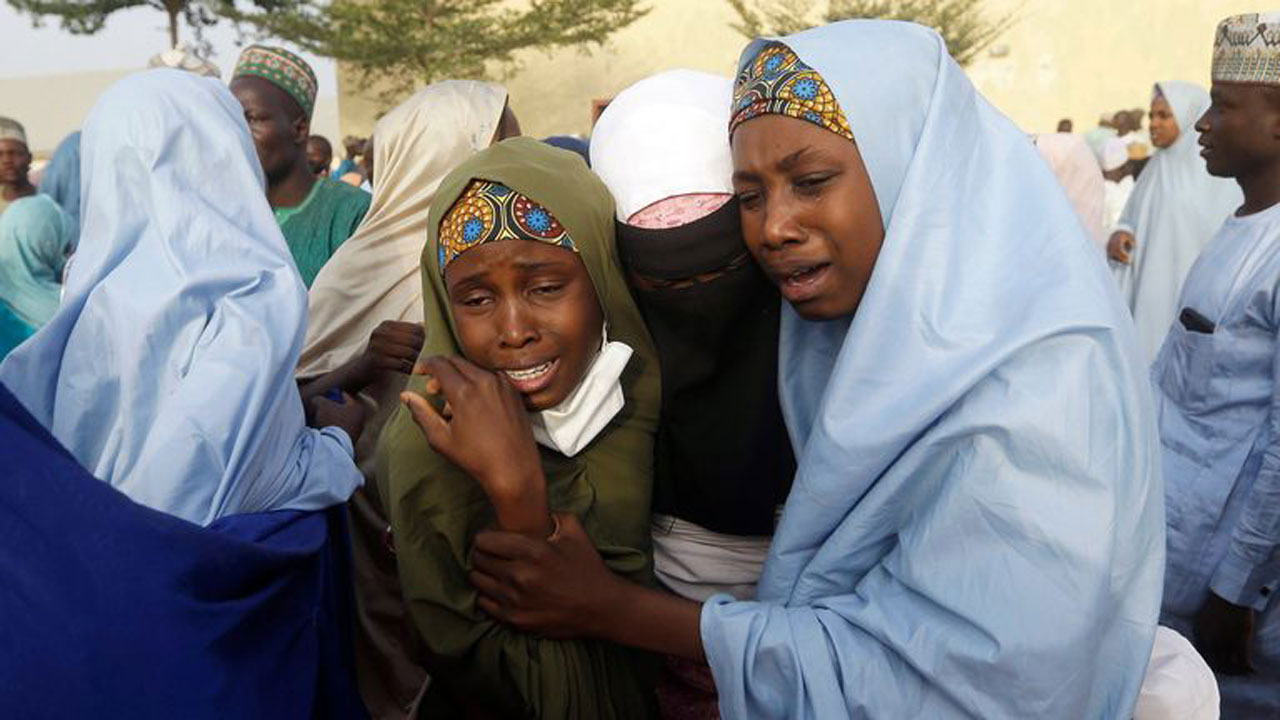
Consider the agony of parents left to wonder about the fate of their children. They live in constant fear, unsure if their kids are alive, and what conditions they may be enduring. There are indications that these children sleep outdoors, exposed to harsh weather, an environment that cannot foster the leaders of tomorrow.
Government Accountability in Crisis
It remains unclear how the captives are being fed or cared for, raising critical questions about the commitment of Nigeria’s leaders, who often seem more focused on consolidating power rather than safeguarding the populace. As Winston Churchill famously asserted, power must be accompanied by responsibility, and neglecting the welfare and safety of citizens is a grave oversight.
Political Indifference and the Security Crisis
Despite the audacity of bandits demanding basic provisions, northern political leaders appear reluctant allies to the affected families. The reality is stark: northern Nigeria is under the oppressive rule of bandits, with political leaders failing to act decisively. The region has long suffered at the hands of Boko Haram, bandits, and other criminal factions, while governance remains mired in ineffective strategies that do little to protect innocent lives.
Skepticism Around Non-Negotiation Policies
The government’s claim of not negotiating with terrorists ironically contrasts with the reality faced by parents of abducted children, who are left to make desperate deals with criminals. This hypocrisy erodes trust and confidence in government policies. If the state is unwilling to negotiate on behalf of its citizens, it must develop alternative strategies to facilitate the safe return of the missing children.
Security Forces: Commitment Under Scrutiny
President Buhari has repeatedly asserted the federal government’s capability to combat banditry, yet there is a palpable lack of action. Security forces are expected to protect the nation, yet the ongoing abductions highlight a failure to act decisively against assailants. The current state of affairs has led to parents turning to negotiations, raising questions about the effectiveness of the government’s strategies.
Impact of Governance Failures on Development
The plight of families suffering from the loss of children to banditry is profound. These parents sent their children to school with the hope of a better future, only to see their aspirations shattered. Development initiatives lose their value when safety cannot be guaranteed. As the federal and state governments lose sight of public safety, the very essence of governance—to improve the lives of citizens—deteriorates. It is crucial for the leaders of northern Nigeria to reassess their strategies and prioritize the safety and welfare of the people they serve.
