


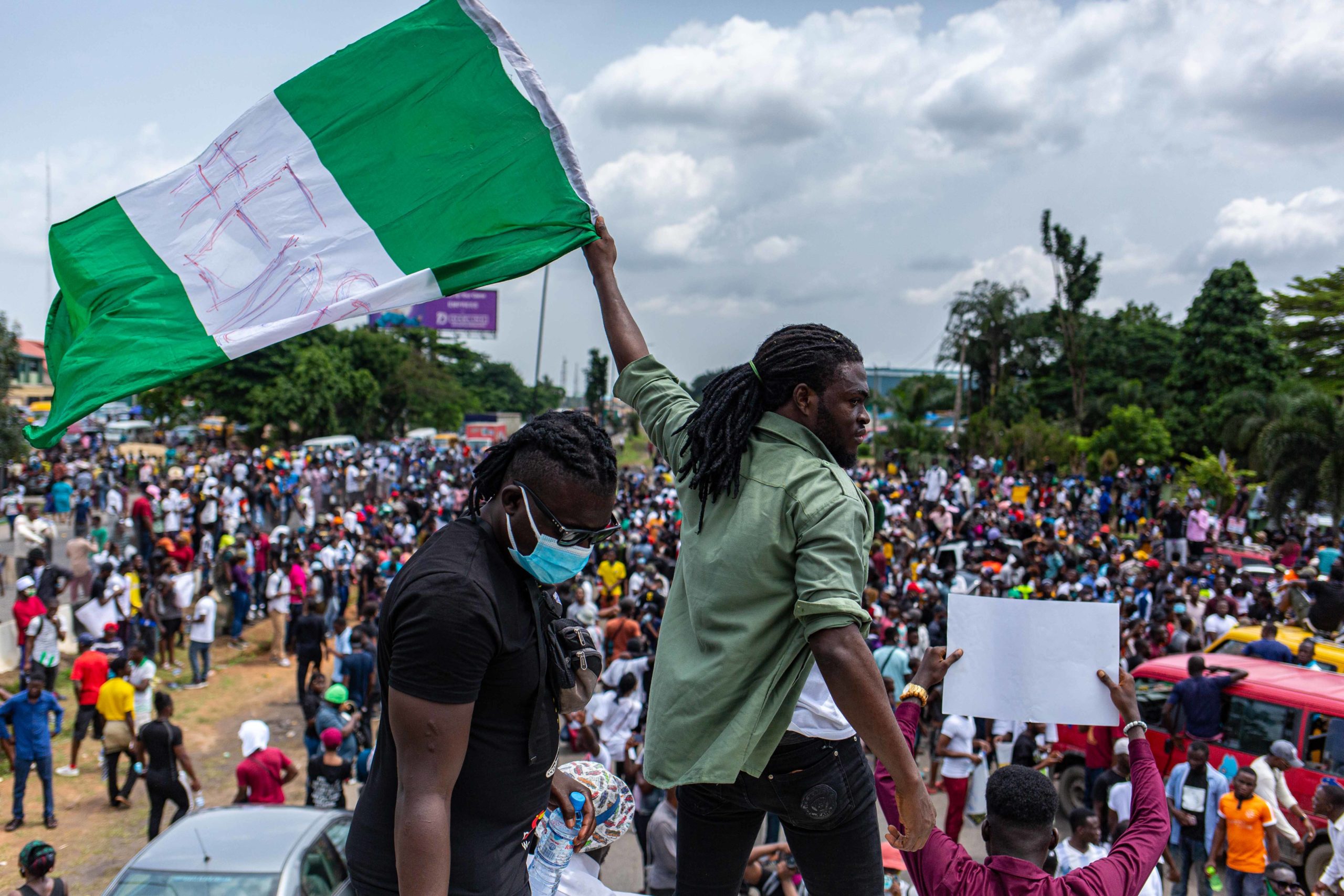
Protests Erupt in Lagos Amid Calls for Police Reform
On October 13, 2020, a wave of protests swept through Lagos, Nigeria’s economic capital, with citizens rallying against the notorious Special Anti-Robbery Squad (SARS) and its history of abuse. Major roads were blocked as demonstrators raised the Nigerian flag, demanding justice and an end to police brutality. This movement gained momentum earlier in the month through social media, prompting widespread calls for the disbandment of the controversial police unit. In a significant response, the Nigerian government announced the disbandment of SARS on October 11, marking a rare concession to public pressure in Africa’s most populous nation.
The Urgent Call for Restructuring
The ongoing demand for genuine federalism and a comprehensive reorganization of Nigeria’s political landscape must become a priority for the Buhari administration. Many observers argue that the government is out of touch, ignoring critical voices that warn of an existential threat to National unity. Nigeria is at a critical juncture and, should it falter, the accountability will rest squarely on President Buhari and his administration, which has fallen short of its responsibilities.
Influential Voices Demand Change
In recent weeks, prominent figures in Nigeria have joined the call for urgent reconstruction efforts. Pastor Enoch Adeboye, General Overseer of the Redeemed Christian Church of God (RCCG), has emphasized the need to rebuild the nation, echoing sentiments from other influential groups. The Northern Elders Forum (NEF), regional political organizations, and traditional leaders, such as the Ooni of Ife, have all voiced support for restructuring as a means to avert potential division. Alarmingly, President Buhari appears to dismiss these voices, suggesting that he remains uninterested in addressing their calls.
Challenges in Governance and Constitutional Limitations
Sixty years post-independence, Nigeria still grapples with the ineffective governance structure outlined in the 1999 Constitution. This flawed framework has led to systemic deficiencies, resulting in widespread poverty, insecurity, and failed leadership at all levels of government. Current statistics reveal that only nine states are deemed “fairly prosperous,” while many others struggle to meet their basic financial obligations, exacerbating the existing crisis. This economic dysfunction has contributed to Nigeria’s alarming rise as the epicenter of global poverty, even surpassing India.
Insecurity Threatens Daily Life
Insecurity has created a dire situation for residents across Nigeria, with daily reports of violent events that span the nation. From insurgent attacks in the North-East to violent crimes in the South, it has become increasingly difficult for citizens to feel safe in their own country. The centralized security forces have proven ineffective, leading to calls for local communities to manage their own safety. This shift towards decentralized security aligns with the arguments for restructuring, as citizens seek more accountability from their protection agencies.
Call for Decentralization Amidst Rising Discontent
The climate of distrust fostered by the Buhari administration has further complicated the discourse on governance. Appointments have often favored certain regions, leading to perceptions of exclusion among non-Northerners and non-Muslims. Such actions erode national unity and symbolize deeper issues within the existing federal framework. Advocates for restructuring argue that empowering local and state governments to manage their own resources and affairs is crucial for rebuilding Nigeria’s democracy and economy.
A Critical Moment for Nigeria’s Future
As calls for restructuring intensify, the voices of Nigeria’s youth and influential leaders underline the urgency of addressing systemic inequities and governance failures. The reluctance from those in power to entertain discussions regarding restructuring may pose an unprecedented risk to Nigeria’s stability. The path forward hinges on whether President Buhari chooses to embrace the reforms needed for the nation to thrive or continues down a course that could lead to further fragmentation and unrest.
