


Lessons from Arsenal’s Premier League Triumph
While politics and soccer may seem worlds apart, the recent success of Arsenal in the Premier League offers valuable insights for leaders in both realms. Arsenal’s long-awaited championship victory ended a 22-year drought, a moment that elicited joy not only from loyal fans but also from those observing the dynamics of leadership and perseverance. Like many, I initially viewed soccer with indifference, but this week’s electrifying events reveal parallels that extend well beyond the football pitch.
A Long-Awaited Success
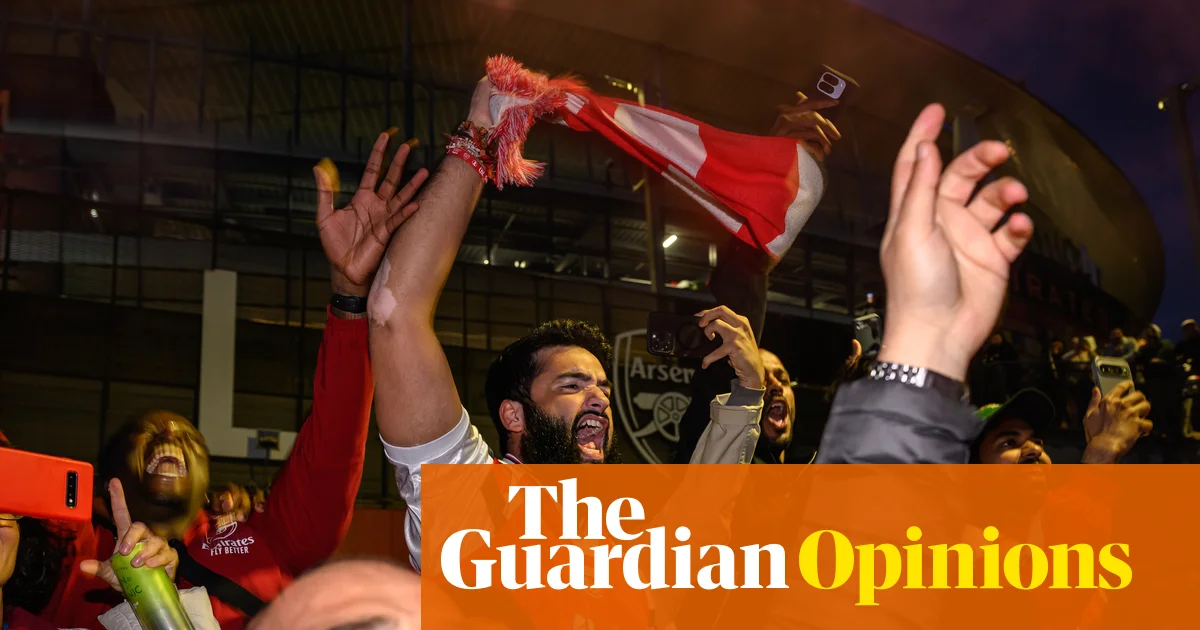
Arsenal’s championship win encapsulates years of dedication and teamwork. As a recent convert to the Arsenal fanbase, I celebrated alongside my sons, absorbed in the lively atmosphere at the Emirates Stadium, adorned in team colors and uniting with fellow enthusiasts. This moment was not just a victory for a club but a reflection of community resilience and shared passion.
Strategic Patience in Leadership
Historically, there has been a call to keep politics out of sports. However, significant lessons emerge from the strategies employed in soccer that can benefit political leadership. Arsenal’s manager, Mikel Arteta, took the helm during a tumultuous period, paralleling the instability faced by political leaders. While four prime ministers have occupied the role using varied strategies, Arteta’s consistent leadership during challenging seasons speaks volumes about the importance of stability and vision.
The Value of a Long-Term Vision
Arteta’s tenure exemplifies the principle of strategic patience in long-term planning. Unlike political systems that often prioritize immediate gains, Arsenal’s management cultivated a vision for gradual improvement. During a downturn, where Arsenal found itself 15th in the standings, the club chose to retain Arteta, allowing him to implement his vision without the frequent disruptions common in political leadership.
The Importance of Planning and Execution
This week’s prominent achievement underscored the meticulous planning that has been in place for years, as revealed by the club’s ‘Football Intelligence Unit.’ They executed a well-defined strategy that mapped potential avenues for success, identifying when rivals would weaken while preparing Arsenal to seize opportunities. This contrasts sharply with government projects that often falter due to short-sightedness and lack of coherent planning, as evidenced by the ongoing challenges faced by major infrastructure projects like HS2.
The Critical Element of Communication
Arteta’s success also highlights the necessity of communicating a compelling vision—an area where political leaders frequently fall short. While Arteta instilled hope among his supporters, the current political climate suffers from a lack of clarity and inspiration. As political leaders grapple with maintaining public trust, they must learn to foster optimism and articulate a clear pathway toward a brighter future, much like Arteta has for his team.
Unity in Diversity
The celebration of Arsenal’s victory also serves as a reminder of the positive aspects of immigration and multiculturalism. Recent sentiments around decline and division in society were starkly contradicted by the vibrant diversity displayed at the Emirates Stadium. Fans from varied backgrounds came together in a celebration that showcased the unifying power of sport—a moment that transcended individual club loyalties and highlighted shared human experience.
