


Speaker Emphasizes Funding Clarity for State Police Initiative
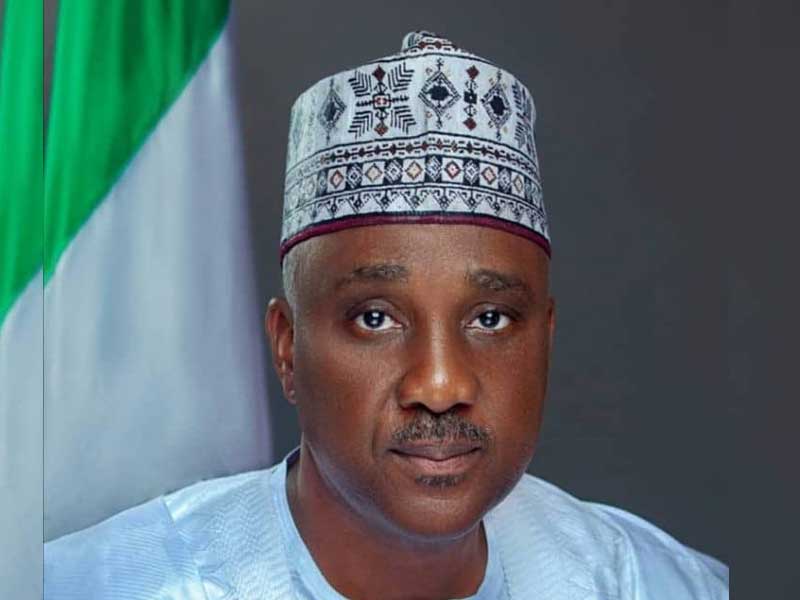
The Speaker of the House of Representatives, Hon. Tajudeen Abbas, underscored the importance of establishing a clear funding mechanism before the implementation of a state police force in Nigeria. His remarks came during the National Security Roundtable as part of the 2026 Parliamentary Open Week in Abuja.
Presidential Proposal Advances State Police Discussion
President Bola Tinubu recently submitted a bill aimed at creating a state police system to the House of Representatives for consideration. In light of this development, the Green Chamber opted to withdraw an earlier version of the state police bill to focus on the president’s proposal.
Push for Decentralized Policing Structure
In his speech, Abbas advocated for a well-structured and decentralized policing framework. He suggested that Nigeria should learn from countries like Germany and Canada by proceeding with a phased implementation instead of launching 36 new police units simultaneously. “National minimum standards must be established before any state police forces are formally launched,” Abbas stated, emphasizing the need for a thoughtful approach.
Addressing Funding Challenges for State Police
The Speaker highlighted the necessity of addressing financial challenges from the onset. This could involve creating a dedicated police fund, utilizing shared services, or obtaining federal support linked to established standards. He warned that without proper funding, states could face difficulties maintaining their police forces, endangering both officers and the communities they serve.
Recognition for Presidential Leadership in Police Reform
Abbas commended President Tinubu for his initiative to decentralize the Nigeria Police Force and establish state police units. He remarked, “For the first time in our country’s history, a sitting president has prioritized state police in national reform. This bill reflects genuine commitment and understanding of security needs.”
Modernizing Criminal Databases and Intelligence Sharing
The Speaker reiterated that funding alone would not constitute an effective strategy for policing reforms. He pointed out the need for modernizing criminal databases and enhancing cooperation among law enforcement agencies. “We need to ensure that a suspect known in one state is not perceived as a stranger in another,” Abbas explained, advocating for an interconnected intelligence network for better operational efficiency.
Safeguards Against Potential Abuse of State Police
Addressing concerns about the potential misuse of state police as a political tool, Abbas referenced safeguards within the proposed legislation. He noted that police chiefs would be appointed based on recommendations from the National Police Council, and their removals would require a supermajority in the Legislature. He reassured that, in instances of dysfunction, federal police could intervene under strictly defined circumstances to ensure accountability.
Learning from Global Decentralized Policing Models
Drawing lessons from countries with successful decentralized policing systems, Abbas stressed the need for national standards, shared data, and accountability in Nigeria’s approach. He remarked, “Local policing flourishes only when bolstered by effective oversight and community engagement. We must adopt the strengths of proven models while steering clear of their pitfalls.”
