


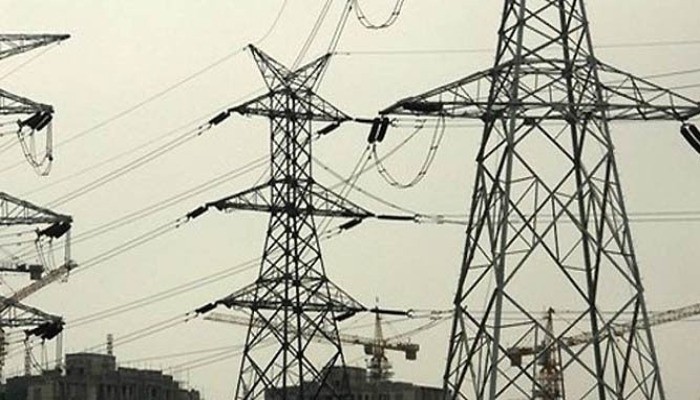
Current Power Generation Capability
The company holds an on-grid license for 685MW, boasting a power generation capacity of 191MW.
Significant Progress in Electrifying Africa
Mission 300, an initiative led by the World Bank Group and the African Development Bank Group, aims to connect 300 million people across Africa to electricity by 2030. Since its launch in July 2023, the initiative has successfully connected over 50 million individuals to electrical power. These connections translate into homes that are illuminated at night, clinics capable of refrigerating vaccines, small businesses that can extend their operating hours, and students who can study after dark. This represents substantive progress and is just the beginning of a transformative journey.
Understanding Mission 300’s Objectives
To appreciate the significance of this milestone, it is essential to grasp the comprehensive approach of Mission 300. This initiative seeks to accelerate, align, and expand electricity access across Africa, encompassing approved projects and leveraging existing investments, reforms, and partnerships. It is not limited to a single project; rather, it encompasses a broad spectrum of initiatives aimed at enhancing energy access throughout the continent.
The Multi-Faceted Approach to Electrification
Achieving the ambitious target of connecting 300 million people by 2030 will require more than just new projects initiated after the launch of Mission 300. Large-scale energy infrastructure projects typically demand years to yield results. Therefore, a successful electrification strategy must leverage an extensive portfolio of investments while mobilizing additional financing, enacting policy reforms, and providing necessary implementation support. National Energy Compacts adopted by 36 countries involved in Mission 300 serve to overcome sectoral bottlenecks, fostering a conducive environment for the swift execution of existing projects and the development of new ones.
Collaboration is Key to Achieving Goals
Mission 300’s success hinges on the collaborative efforts of a diverse coalition of partners, including African governments, the Rockefeller Foundation, and the Global Energy Alliance for People and Planet, along with various development organizations. This coordinated support transforms financing and policy reforms into tangible electrical connections on the ground.
Rapid Increase in Connections Since Launch
Since the inception of Mission 300, the World Bank Group has doubled the pace of electricity connections compared to the period preceding the initiative. From July 2023 to June 2024, World Bank-funded projects connected 12 million people, with over 20 million connections achieved in April 2024 alone. Meanwhile, the African Development Bank Group has connected 5.2 million people in just under two and a half years, compared to 9.6 million over the preceding 11 years, further illustrating the acceleration in progress.
Establishing a Consistent Framework for Tracking Progress
The results reported by the World Bank Group and the African Development Bank Group adhere to a shared methodology established jointly by the two organizations. This framework ensures that only verified electricity connections made between July 1, 2023, and December 31, 2030, are counted, irrespective of when the underlying projects were approved. To maintain consistency and reliability, all reported figures undergo rigorous quality assurance and verification processes, ensuring credible results across participating countries.
Case Studies Highlighting Successful Implementation
National-level achievements highlight the real impact of Mission 300. For instance, Tanzania has emerged as a leading performer, with the Tanzania Rural Electrification Expansion Program (TREEP) connecting approximately 8 million people since its approval in 2016. Remarkably, about 5 million of these new connections occurred after July 2023. Similarly, Nigeria has seen significant progress, with 4.5 million new connections attributed to various initiatives focused on enhancing electricity access. Nutrient-rich collaboration and strategic program design have driven this momentum across multiple countries, showcasing the potential of Mission 300.
Expanding on Established Successes
Countries like Niger, Uganda, Senegal, and Mozambique have also demonstrated considerable advancements, further validating Mission 300’s broad reach. Ethiopia, for example, boasts its electricity grid expansion program, connecting over 350,000 households annually, showcasing sustained progress prior to the inception of Mission 300. By building on these existing frameworks, the initiative aims to amplify successful programs and expedite efforts towards the goal of providing electricity access to 300 million individuals by 2030.
Conclusion: Clear Trajectory and Sustainable Impact
The milestone of connecting 50 million individuals to electricity is not merely a statistic; it represents the culmination of ongoing investment, policy reform, and large-scale implementation strategies. Despite the ambitious target set for 2030, the established trajectory, robust methodology, and tangible outcomes affirm that Mission 300 is making a real impact and is poised to change lives across the African continent.
