


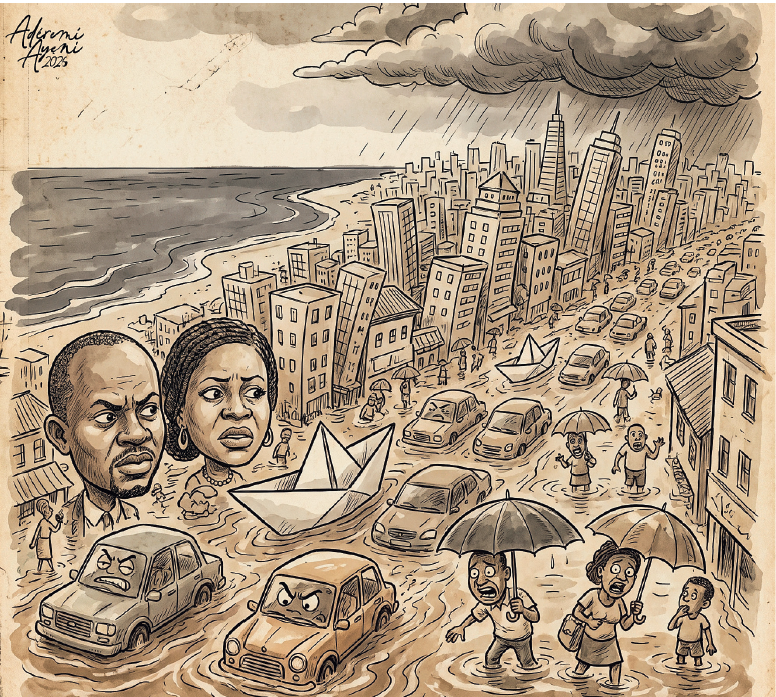
Coastal Cities Face Severe Flood Risks by 2050
Coastal cities worldwide are bracing for the alarming reality that significant portions of their urban landscapes may be underwater by 2050. Despite extensive investments in flood control systems, coastal protection, and climate adaptation, many metropolitan areas consider sea level rise one of their most pressing long-term threats.
High-Risk Urban Areas Around the Globe
Major urban centers like Jakarta, Mumbai, Ho Chi Minh City, Bangkok, Shanghai, Alexandria, New Orleans, and Miami are increasingly vulnerable to rising sea levels. Climate modeling from organizations like Climate Central indicates large areas within these cities could face chronic flooding or submersion by mid-century.
Flooding: A Strategic Challenge
While these cities differ in geography and infrastructure, they share a consensus that flooding represents a strategic challenge necessitating ongoing investment rather than merely seasonal fixes. In stark contrast, Lagos, Nigeria’s commercial capital and Africa’s largest coastal city, treats flooding mainly as a seasonal crisis rather than a long-term ongoing threat.
Lagos: Approaching Flooding as a Temporary Emergency
Lagos is at a critical juncture, confronted by similar risks as its global counterparts. The city approaches flooding predominantly as a temporary emergency, which could lead to an irreversible urban crisis if not addressed with a more sustainable perspective. Current response mechanisms may leave the city unprepared for the mounting challenges posed by climate change.
Environmental Degradation and Climate Change Compounding Risks
The crises stem from a combination of climate change and human-induced environmental degradation. Scientists have termed this phenomenon a “fatal paradox,” where rising sea levels coincide with land subsidence. While global warming raises sea levels through melting ice sheets and thermal expansion, factors like excessive groundwater extraction, structural expansion, and sediment erosion contribute to the sinking of many coastal areas.
Lagos Exposed to Repeated Flooding Events
Flooding in Lagos is a recurrent aspect of life, particularly during the rainy season from March to December. The most significant risks occur between July and October, when extended rainfall saturates the ground, overwhelming drainage systems and flooding major roads and residential areas. Although an occasional lull in rains provides temporary relief, intense downpours soon return, exacerbating both flash and river flooding.
Government Funding Fails to Address the Crisis
Despite more than N106 billion allocated by the government for drainage infrastructure, the city struggles to manage flooding effectively. Each rainy season, thousands of Lagosians, especially on Lagos Island, witness their homes inundated with floodwaters, leading to extensive property damage and disruption of livelihoods. Major highways become submerged, forcing some communities to navigate flooded streets by canoe, while flooding also affects areas across the mainland.
Lessons from Global Counterparts: A Call for Proactive Measures
As cities around the world adopt long-term engineering and nature-based solutions to alleviate flood risks, Lagos has the opportunity to learn from these examples. Cities like New Orleans have constructed extensive sea walls and pumping systems, while Shanghai employs a “sponge city” strategy to absorb rainwater effectively. Miami’s investment in stormwater management infrastructure showcases the importance of proactive measures in enhancing urban resilience.
Addressing Flooding as an Existential Threat
Lagos must adapt these proven strategies while implementing comprehensive flood resilience initiatives. This includes urban planning that prevents development in high-risk areas, restoring natural flood buffers, and ensuring modernized drainage systems are maintained effectively. Establishing early warning systems and emergency response plans should become integral to urban governance, supported by transparent monitoring and accountability.
